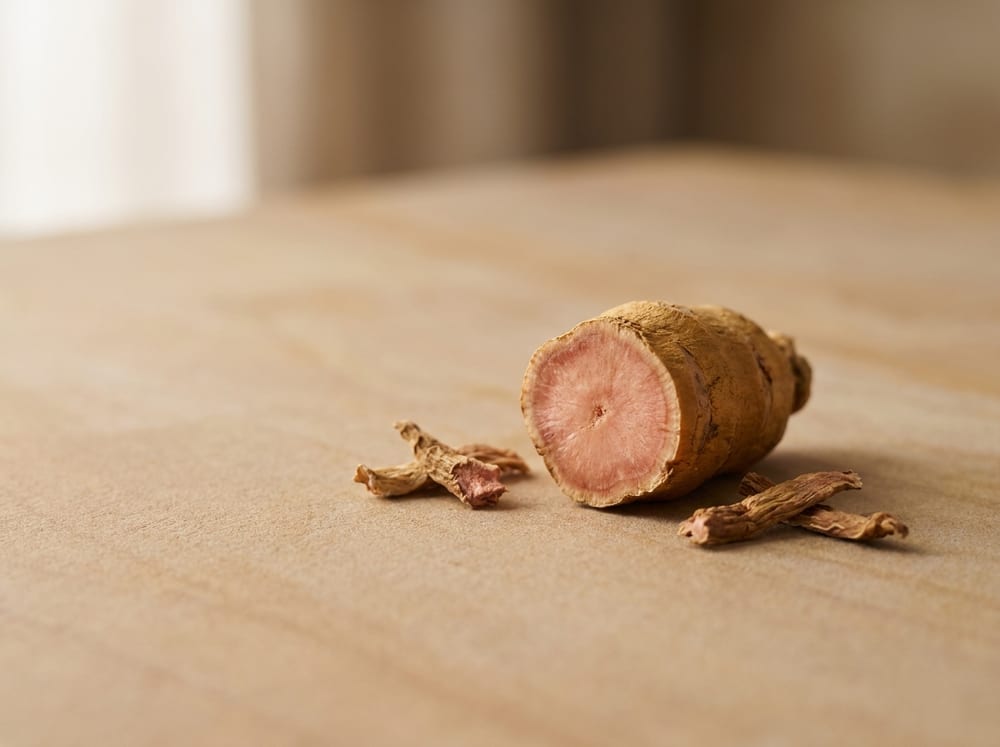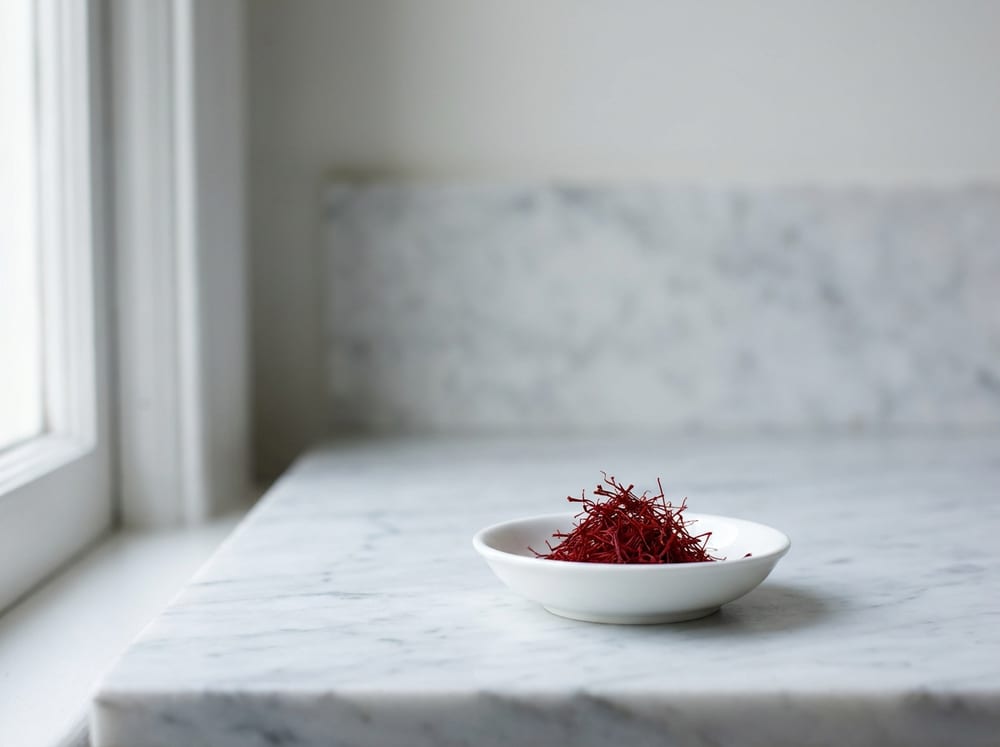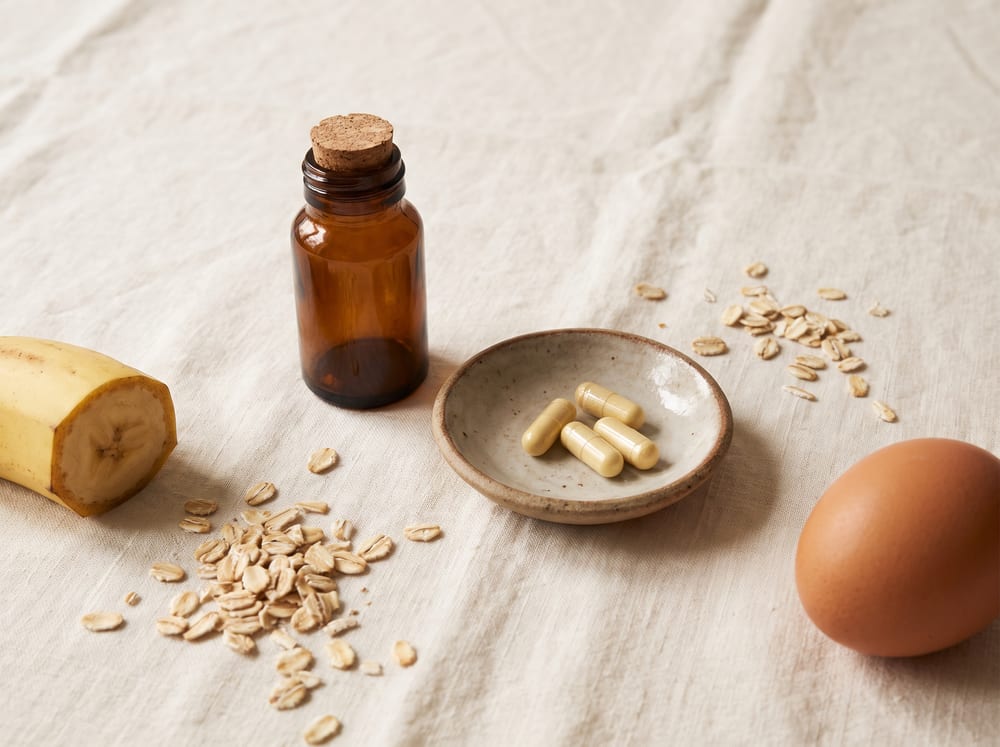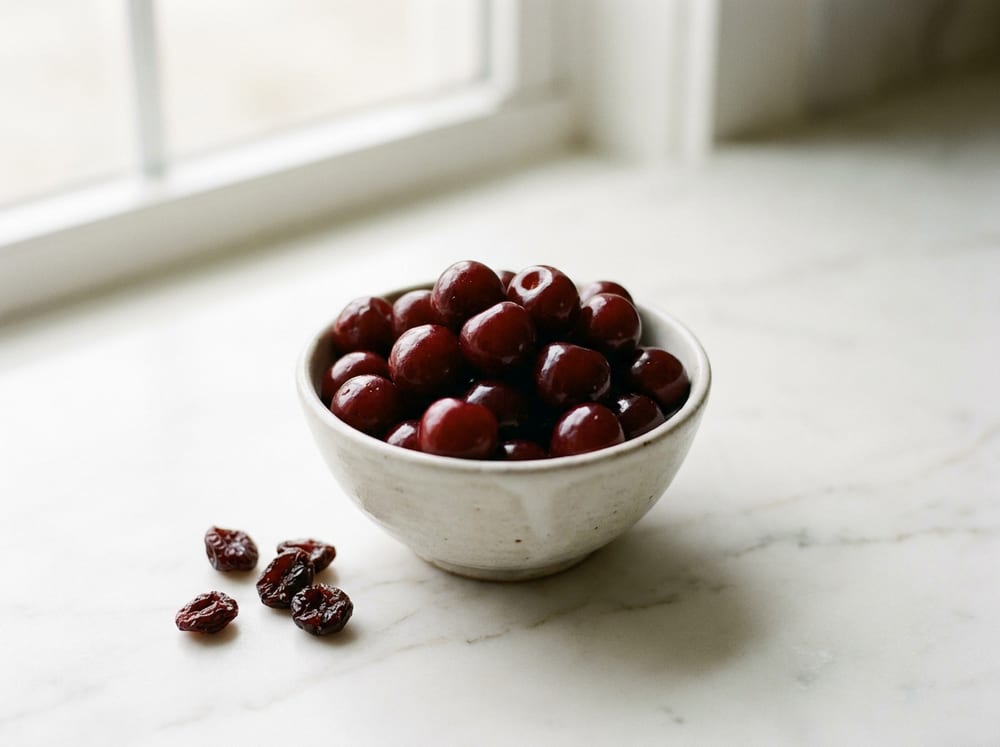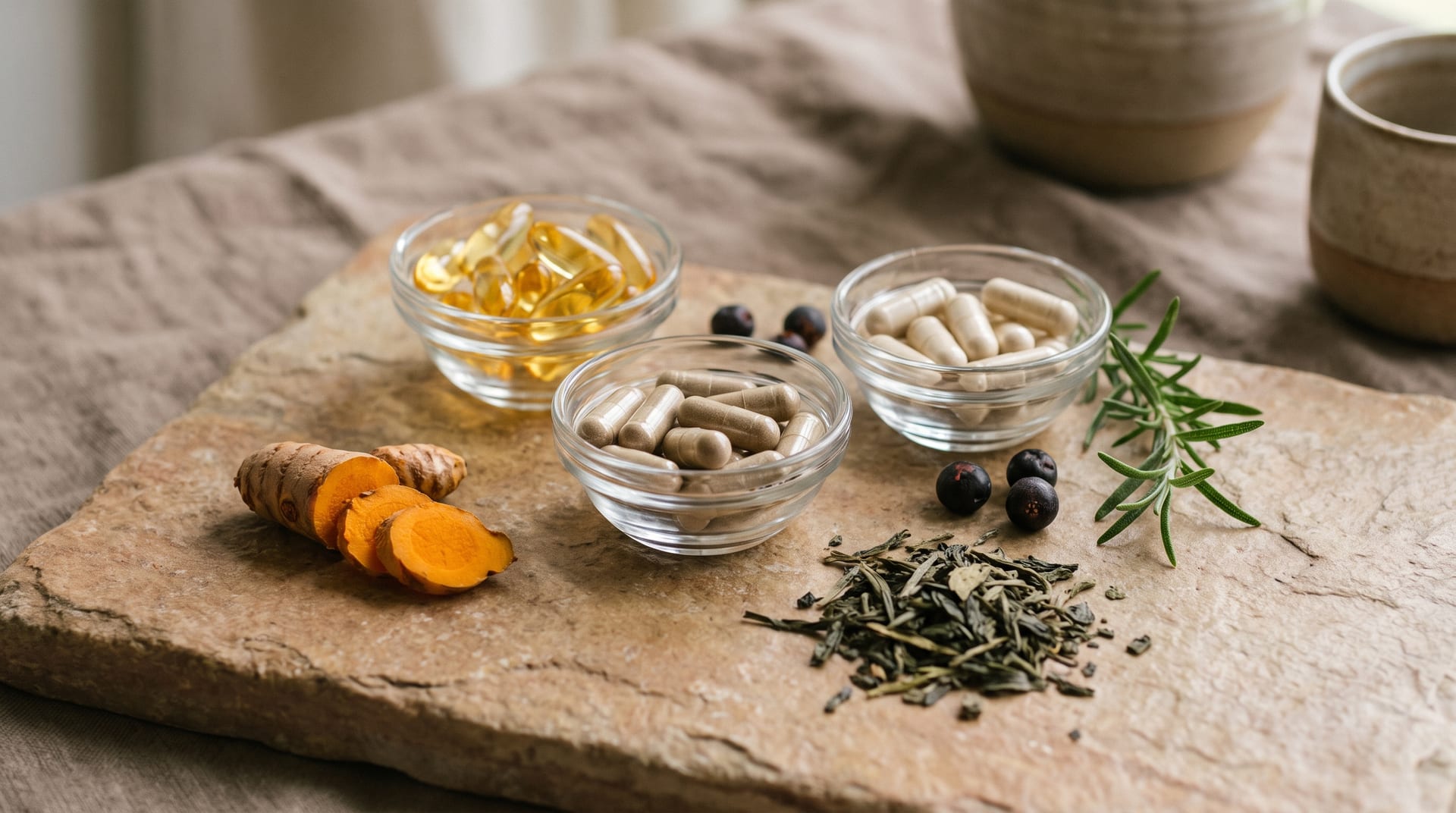
Capsules and botanicals arranged as a reference still life
Reference only · we do not sell these

The Supplement Reference

An honest, graded guide to supplements studied for longevity, cardiovascular, blood-sugar, and cognitive support. No storefront, no upsell. Only what the evidence says and how to use it well.

Reference only: Awake Inside Wellness does not sell supplements. This section exists to help you understand them. Supplements can interact with medications. Speak with your clinician or pharmacist before starting anything.

Filter by focus area — tap any area to see what it means.

Algal DHA (Vegetarian Omega-3) Moderate evidence

Algal DHA (Vegetarian Omega-3)

Prenatal SupportCognitive Support

DHA is a primary structural fatty acid of the fetal brain and retina, accumulating rapidly in the third trimester to support neuronal membrane formation and visual development. Algal DHA supplies this omega-3 directly from microalgae, the same source fish concentrate it from, without fish-derived contaminants.

Buy on Amazon
Reference details
Evidence
Moderate: meta-analyses of maternal DHA supplementation show a modest reduction in early preterm birth and small increases in birth weight and gestation length, while effects on later child cognition and vision are inconsistent across trials. The strongest, most reproducible signal is the preterm-birth reduction rather than a guaranteed neurodevelopmental gain.
Typical dose
Commonly about 200-300 mg/day of DHA during pregnancy and lactation, consistent with prenatal DHA recommendations; some trials of preterm-birth reduction used higher physician-directed amounts.
Timing
Once daily with a fat-containing meal to aid absorption; taking it with food and choosing an enteric or emulsified form can reduce reflux.
Interactions
At the modest doses used in pregnancy, meaningful interaction with anticoagulants or antiplatelets is unlikely; caution and clinician input apply at higher intakes (over roughly 3 g/day of total omega-3) or around scheduled surgery. Algal DHA avoids the fish-allergen and heavy-metal concerns of some fish oils.
Cautions
Confirm the dose with your OB or midwife, since DHA targets are individualized and already partly met by diet and some prenatals. Choose products tested for oxidation and purity. This is educational information for discussion with a clinician, not a prescription.
Food sources
Marine microalgae (the vegetarian source), and, in the diet, low-mercury fatty fish such as salmon, sardines, and anchovies.
Alpha-Lipoic Acid (ALA) Moderate evidence

Alpha-Lipoic Acid (ALA)

Blood Sugar Support

A mitochondrial cofactor and potent antioxidant that regenerates other antioxidants (vitamins C and E, glutathione), improves insulin-stimulated glucose uptake via enhanced GLUT4 translocation, and reduces oxidative stress in nerve tissue.

Buy on Amazon Doctor's Best · $22
Reference details
Evidence
Strongest human evidence is for symptomatic diabetic peripheral neuropathy, where meta-analyses (notably of intravenous ALA) show real symptom improvement; evidence that oral ALA meaningfully lowers fasting glucose/HbA1c is weaker and more modest, so the glucose-control grade is moderate.
Typical dose
600 mg/day orally for glycemic/antioxidant effects and neuropathy; up to 1800 mg/day has been used in neuropathy trials.
Timing
On an empty stomach (30-60 minutes before a meal) improves absorption; the racemic form is standard.
Interactions
Can add to the glucose-lowering effect of insulin and oral hypoglycemics (risk of hypoglycemia). Theoretically chelates metals and may interact with thyroid hormone and chemotherapy agents; separate from levothyroxine dosing.
Cautions
Generally well tolerated; can cause nausea and, rarely, insulin autoimmune syndrome (hypoglycemia) in predisposed individuals, more reported in East Asian populations. Monitor glucose when combined with diabetes medications.
Food sources
Present in small amounts in red meat, organ meats (liver, kidney), and vegetables such as spinach and broccoli, but food quantities are far below supplemental doses.
Ashwagandha (KSM-66) Strong evidence

Ashwagandha (KSM-66)

Stress SupportSleep Support

Withania somnifera root extract standardized to withanolides. It appears to modulate the hypothalamic-pituitary-adrenal (HPA) axis, blunting the cortisol stress response, and has GABAergic activity that promotes a calming effect. Withanolides also show antioxidant activity in neural tissue.

Buy on Amazon Jarrow Formulas · $18
Reference details
Evidence
Strong for a botanical: multiple double-blind, placebo-controlled RCTs and a 2025 systematic review and meta-analysis show significant reductions in Perceived Stress Scale scores, Hamilton Anxiety scores, and serum cortisol at roughly 8 weeks. The landmark Chandrasekhar trial reported a ~28% cortisol drop versus ~8% with placebo. Effects are most consistent at 600 mg/day for at least 8 weeks. Long-term (>12 week) safety data remain limited.
Typical dose
300-600 mg/day of a root extract standardized to withanolides (KSM-66 is the most-studied form, ~5% withanolides). 600 mg/day, often split into two 300 mg doses, has the most consistent stress data.
Timing
Take with food to reduce GI upset. Can be taken once daily or split morning/evening; an evening dose may also support sleep. Allow 6-8 weeks for the stress and cortisol effect to develop.
Interactions
May be additive with sedatives, benzodiazepines, and other CNS depressants (increased drowsiness). Can lower blood sugar (caution with antidiabetic drugs) and blood pressure (caution with antihypertensives). May raise thyroid hormone levels, so caution with thyroid medication. Being immunomodulatory, it may interact with immunosuppressants.
Cautions
Avoid in pregnancy and breastfeeding (traditionally considered an abortifacient). Rare reports of liver injury exist, so avoid with active liver disease and discontinue if jaundice or dark urine occur. Because it may stimulate the thyroid and immune activity, use caution with hyperthyroidism and autoimmune conditions (e.g., Hashimoto's, lupus, rheumatoid arthritis). Discuss with a clinician before surgery. This is not a treatment for a diagnosed anxiety or mood disorder.
Food sources
None practically. The bioactive withanolides come from the root of the plant and are not obtained from ordinary diet.
Astaxanthin Emerging evidence

Astaxanthin

Skin SupportLongevity

Astaxanthin is a red xanthophyll carotenoid, sourced mainly from the microalga Haematococcus pluvialis, whose molecular structure lets it sit across cell membranes and quench singlet oxygen and free radicals more effectively than many other carotenoids. In skin, it is proposed to dampen UV- and inflammation-driven activity of matrix-metalloproteinases (MMP-1) that break down collagen, offering internal photoprotective and antioxidant support.

Buy on Amazon
Reference details
Evidence
Emerging. Several small randomized, placebo-controlled trials over 6 to 12 weeks report modest improvements in wrinkle appearance, elasticity, moisture, and UV-induced water loss, sometimes alongside topical use. Trials are small, short, and often industry-funded, so the effect is promising but not yet firmly established, keeping the grade at emerging.
Typical dose
4 to 12 mg/day in most skin trials; 6 mg/day is a common studied dose. Higher amounts have not been shown to add benefit for skin.
Timing
With a fat-containing meal, since astaxanthin is fat-soluble and absorption is meaningfully better with dietary fat. Benefits accrue over weeks, so it is a daily supplement rather than acute.
Interactions
May have mild additive blood-pressure-lowering and antiplatelet effects, so worth flagging alongside antihypertensives or blood thinners. As a carotenoid it can theoretically compete with others (such as beta-carotene) for absorption.
Cautions
Generally well tolerated; high intake can cause a harmless reddish tint to the skin and, rarely, mild GI upset or hormonal effects at very high doses. Safety in pregnancy and breastfeeding is not established, so it is best avoided then. It is not a substitute for sunscreen.
Food sources
Wild salmon, trout, shrimp, krill, and other seafood that feed on astaxanthin-producing algae; dietary amounts are far below supplemental doses, and it gives salmon and shrimp their pink-red color.
Bacopa monnieri Moderate evidence

Bacopa monnieri

Cognitive Support

Standardized to bacoside saponins, Bacopa is proposed to enhance synaptic transmission and dendritic branching, modulate cholinergic signaling (acetylcholinesterase activity), and act as an antioxidant in the hippocampus, effects tied to memory consolidation. Onset is slow, consistent with an adaptive rather than acute mechanism.

Buy on Amazon Double Wood · $16
Reference details
Evidence
Moderate: several double-blind, placebo-controlled RCTs and meta-analyses in healthy adults show improved delayed recall (memory consolidation) after ~8-12 weeks of continuous use. Effect sizes are modest, benefits are on specific memory measures rather than broad cognition, and long-term/large trials are limited.
Typical dose
300-450 mg/day of an extract standardized to ~50% bacosides (or ~55% for KeenMind/CDRI 08); benefit typically requires 8-12 weeks of daily use.
Timing
Once daily with food to reduce GI upset; effects accrue over weeks, so consistency matters more than time of day.
Interactions
May have cholinergic and thyroid-hormone-raising effects: use caution with thyroid medication, acetylcholinesterase inhibitors (donepezil), anticholinergics, calcium-channel blockers, and sedatives/CNS depressants (possible additive drowsiness). May affect drug metabolism (P-glycoprotein/CYP) in preclinical data. No established anticoagulant interaction.
Cautions
Most common side effects are GI (nausea, cramping, increased stool frequency), reduced by taking with food. Insufficient safety data in pregnancy/breastfeeding. Product quality and bacoside standardization vary widely; choose a verified extract.
Food sources
Not a common dietary food; Bacopa (water hyssop/brahmi) is a traditional leafy herb consumed medicinally in Ayurveda rather than as a typical food source.
Berberine Moderate evidence

Berberine

Blood Sugar SupportCardiovascular Support

Activates AMP-activated protein kinase (AMPK), which increases peripheral glucose uptake, suppresses hepatic gluconeogenesis, and improves insulin sensitivity; it also slows intestinal carbohydrate absorption and alters the gut microbiome.

Buy on Amazon Thorne · $40
Reference details
Evidence
Multiple randomized controlled trials and meta-analyses in type 2 diabetes and metabolic syndrome show clinically meaningful reductions in fasting glucose and HbA1c (roughly comparable to metformin in several small head-to-head trials), but most studies are small, short, and of modest methodological quality, so the grade is moderate rather than strong.
Typical dose
500 mg two to three times daily (1000-1500 mg/day total), standardized to berberine HCl.
Timing
Taken with or just before meals to blunt post-prandial glucose and reduce GI upset; split dosing is required because of its short half-life and poor bioavailability.
Interactions
Potent inhibitor of CYP3A4, CYP2D6, and CYP2C9 and of P-glycoprotein, so it can raise levels of many drugs (statins such as simvastatin, cyclosporine, some anticoagulants). Additive hypoglycemia with metformin, sulfonylureas, or insulin. Displaces bilirubin from albumin (avoid in neonates/pregnancy).
Cautions
Common GI side effects (diarrhea, cramping, constipation). Contraindicated in pregnancy and breastfeeding and in neonates (kernicterus risk). Monitor glucose when combined with other glucose-lowering agents; stop before surgery.
Food sources
Not a normal dietary nutrient; an alkaloid found in plants such as goldenseal, barberry, Oregon grape, and Coptis (Chinese goldthread), consumed only as herbal extracts, not food.
Caffeine + L-Theanine Moderate evidence

Caffeine + L-Theanine

Cognitive Support

Caffeine is an adenosine-receptor antagonist that raises arousal and firing rate; L-theanine, a glutamate-analog amino acid, crosses the blood-brain barrier and increases alpha-band EEG activity, blunting caffeine's jitter/anxiety while preserving the alertness. The combination shifts the arousal-attention curve toward accuracy on demanding tasks.

Buy on Amazon Nootropics Depot · $15
Reference details
Evidence
Multiple small acute double-blind, placebo-controlled RCTs and a supporting meta-analysis show the combination improves sustained attention, task-switching accuracy, and subjective alertness more than either compound alone. Effects are acute (single-dose) rather than proven long-term.
Typical dose
Typically 40-100 mg caffeine with 100-200 mg L-theanine (roughly a 1:2 caffeine:theanine ratio).
Timing
Once in the morning or early afternoon before focused work; avoid within ~8-10 h of bedtime because of caffeine's half-life.
Interactions
Caffeine adds to other stimulants (ephedrine, ADHD medications, decongestants) raising blood pressure/heart rate; it interacts with CYP1A2 inhibitors (fluvoxamine, ciprofloxacin) and can worsen anxiety or interact with lithium and clozapine. Caffeine is NOT a meaningful bleeding risk, but high intake can reduce iron/calcium absorption.
Cautions
Avoid or minimize in uncontrolled hypertension, arrhythmia, pregnancy (limit total caffeine), and anxiety/panic disorders. L-theanine may mildly lower blood pressure. Tolerance to caffeine's cognitive effects develops with daily use; withdrawal headaches are common.
Food sources
Caffeine occurs in coffee, tea, cocoa, and yerba mate; L-theanine occurs naturally in green, black, and white tea (Camellia sinensis) and some mushrooms.
Calcium (Calcium Carbonate / Citrate) Moderate evidence

Calcium (Calcium Carbonate / Citrate)

Menstrual SupportLongevity

Calcium is essential to nerve signaling, muscle contraction, and neurotransmitter release, and calcium metabolism shifts cyclically with estrogen. The leading hypothesis is that subtle luteal-phase changes in calcium and vitamin D status contribute to premenstrual mood and physical symptoms, and that supplementation smooths these fluctuations.

Buy on Amazon
Reference details
Evidence
Moderate. Randomized trials, including a well-cited multi-center study using about 1,200 mg/day of calcium carbonate, show meaningful reductions in overall premenstrual symptoms such as mood swings, bloating, and cramping versus placebo. Evidence is more consistent for PMS symptom relief than for any single mechanism, and trials are modest in number.
Typical dose
Around 1,000-1,200 mg/day of elemental calcium from diet plus supplements combined. Split supplemental doses to 500-600 mg at a time for better absorption. Carbonate needs food; citrate absorbs with or without food and suits those on acid-reducing medication.
Timing
Taken with meals (carbonate) in one or two split doses. Many pair it with vitamin D, which supports calcium handling; benefits for PMS build over roughly two to three cycles.
Interactions
Calcium reduces absorption of levothyroxine, tetracycline and fluoroquinolone antibiotics, bisphosphonates, and iron; separate by 2-4 hours. Thiazide diuretics plus calcium can raise blood calcium. High-dose calcium may interact with certain heart medications; coordinate with a clinician.
Cautions
Keep total intake at or below the adult upper limit of about 2,000-2,500 mg/day; chronic excess can cause kidney stones and constipation, and some analyses have debated a possible cardiovascular signal from high-dose supplements. Food-first is preferred. Avoid supplemental loading in those with hypercalcemia or certain kidney conditions. Educational information for discussion with a clinician, not a prescription.
Food sources
Dairy (milk, yogurt, cheese), fortified plant milks, canned sardines and salmon with bones, tofu set with calcium, almonds, and leafy greens like kale and bok choy.
Calcium Citrate Moderate evidence

Calcium Citrate

Prenatal SupportCardiovascular Support

Calcium is the primary mineral of fetal bone and is drawn from maternal intake and, if intake is low, from maternal bone stores. Adequate calcium also supports maternal vascular tone and blood-pressure regulation; the citrate form absorbs well with or without food and is a practical choice for those on acid-reducing medication.

Buy on Amazon
Reference details
Evidence
Moderate: in populations with low dietary calcium, supplementation reduces the risk of pre-eclampsia and related hypertensive complications, which underpins WHO guidance for low-intake settings. In women who already meet calcium needs through diet, added benefit is limited, so the case is strongest as gap-filling rather than routine high-dose use.
Typical dose
Total calcium needs in pregnancy are about 1000 mg/day (1300 mg for those under 19) from food plus supplements combined; supplements are used to close the shortfall, with single doses kept to roughly 500 mg for absorption.
Timing
Split into doses of about 500 mg or less for better absorption; calcium citrate can be taken with or without food. Separate from iron and from thyroid medication by 2-4 hours.
Interactions
Calcium reduces absorption of iron, levothyroxine, tetracycline and fluoroquinolone antibiotics, and bisphosphonates (separate by 2-4 hours); combined with high-dose vitamin D or thiazide diuretics it can raise blood calcium. Space it away from an iron supplement rather than taking them together.
Cautions
Confirm the target with your OB or midwife and count dietary intake first, since prenatal calcium needs are individualized and excess supplementation offers no added benefit and may carry cardiovascular concerns in replete individuals. Stay within the tolerable upper intake. This is educational information for discussion with a clinician, not a prescription.
Food sources
Dairy (milk, yogurt, cheese), fortified plant milks and tofu set with calcium, canned fish with bones (sardines, salmon), and leafy greens such as kale and bok choy.
Chasteberry (Vitex agnus-castus) Moderate evidence

Chasteberry (Vitex agnus-castus)

Menstrual SupportFertility Support

Extracts of the chasteberry fruit act on the pituitary, where dopaminergic compounds appear to lower prolactin secretion and gently rebalance the estrogen-to-progesterone ratio across the luteal phase. This shift toward adequate progesterone signaling is the proposed basis for its effect on premenstrual symptoms and cyclical breast tenderness (mastalgia).

Buy on Amazon
Reference details
Evidence
Moderate. Several randomized, placebo-controlled trials and meta-analyses report that standardized Vitex extracts reduce overall premenstrual syndrome symptom scores, and specific data support relief of cyclical breast pain. Quality varies across trials, extracts are not standardized to a single marker between brands, and effects on PMDD and fertility are less consistent, so the signal is real but not settled.
Typical dose
A standardized fruit extract providing roughly 20-40 mg/day of dried extract (product-dependent; some studies use extracts such as Ze 440 at 20 mg/day). Follow the specific product's standardization rather than assuming milligram equivalence between brands.
Timing
Taken once daily in the morning, since it is thought to influence the morning prolactin peak. Benefits build gradually and are usually assessed over about three consecutive cycles rather than within a single month.
Interactions
As a dopaminergic agent it may theoretically oppose dopamine antagonists (some antipsychotics, metoclopramide) and interact with dopamine agonists such as bromocriptine. It may also reduce the reliability of hormonal contraceptives and hormone therapy, and could interfere with medications that alter prolactin. Discuss with a clinician before combining.
Cautions
Not for use in pregnancy or while breastfeeding, and not appropriate alongside fertility treatments without medical guidance. Avoid with hormone-sensitive conditions (certain breast, uterine, or ovarian concerns) until cleared by a clinician. Mild side effects can include nausea, headache, and cycle changes. Educational information for discussion with a clinician, not a prescription.
Food sources
None; chasteberry is a medicinal fruit extract with no meaningful dietary source.
Choline (as bitartrate or citrate) Moderate evidence

Choline (as bitartrate or citrate)

Prenatal SupportCognitive Support

Choline is an essential nutrient used to build phosphatidylcholine for cell membranes, acetylcholine for neurotransmission, and betaine for methyl-group metabolism that overlaps with folate pathways. Fetal demand is high during pregnancy and lactation, when maternal stores are drawn down to support neural and hepatic development.

Buy on Amazon
Reference details
Evidence
Moderate: observational data consistently link higher maternal choline intake to better infant neurodevelopmental markers, and small controlled feeding trials show measurable effects on infant processing speed and attention. Long-term clinical outcome trials remain limited, and typical prenatal vitamins often under-supply choline relative to the Adequate Intake.
Typical dose
The Adequate Intake in pregnancy is about 450 mg/day and 550 mg/day during lactation from all sources combined; supplements are often used to close the gap between diet and that target rather than to exceed it.
Timing
Once or twice daily with food; splitting the dose can reduce a transient fishy body odor some people notice at higher single doses.
Interactions
No major drug interactions are well established at dietary-adequacy doses; very high intakes (grams per day) can cause low blood pressure, sweating, and fishy odor. Choline, folate, and B12 share methylation pathways, so overall intake of all three is worth reviewing together.
Cautions
Confirm the target intake with your OB or midwife, since prenatal needs are individualized and many prenatals contain little choline. Stay within the tolerable upper intake and avoid mega-dosing. This is educational information for discussion with a clinician, not medical advice.
Food sources
Egg yolks, lean beef and poultry, fish, soybeans, cruciferous vegetables, and wheat germ.
Chromium (Picolinate) Mixed evidence

Chromium (Picolinate)

Blood Sugar Support

Trivalent chromium is proposed to enhance insulin action by potentiating insulin receptor tyrosine kinase activity (historically attributed to the oligopeptide chromodulin), improving insulin sensitivity and cellular glucose uptake.

Buy on Amazon NOW Foods · $9
Reference details
Evidence
Many RCTs and meta-analyses in type 2 diabetes show small, inconsistent reductions in fasting glucose and HbA1c; benefit is more apparent in people with poorer baseline control and is not reliably seen overall, keeping the evidence mixed. True dietary deficiency is rare.
Typical dose
200 to 1000 mcg/day of elemental chromium (commonly as chromium picolinate); 400-600 mcg/day is typical in diabetes trials.
Timing
With meals to improve tolerability and align with post-prandial insulin demand.
Interactions
Additive hypoglycemia with insulin and oral hypoglycemics. May reduce absorption of levothyroxine (separate doses) and can interact with antacids/H2 blockers, which lower chromium uptake; NSAIDs may increase chromium levels.
Cautions
Generally safe at typical doses; rare reports of renal and hepatic injury at very high intakes. Avoid high doses in people with kidney or liver disease. Effect on glucose is modest and inconsistent; not a replacement for standard therapy.
Food sources
Found in broccoli, whole grains, brewer's yeast, green beans, nuts, and meat; obtainable from a normal diet, where deficiency is uncommon.
Cinnamon (Cassia / Ceylon) Mixed evidence

Cinnamon (Cassia / Ceylon)

Blood Sugar Support

Cinnamaldehyde and polyphenol type-A polymers appear to potentiate insulin signaling (enhancing insulin receptor autophosphorylation and GLUT4 translocation) and to inhibit intestinal alpha-glucosidase, slowing carbohydrate digestion.

Buy on Amazon NutriFlair · $17
Reference details
Evidence
Numerous RCTs and several meta-analyses in type 2 diabetes and prediabetes; results are inconsistent, with some meta-analyses showing modest fasting-glucose reductions and others finding no significant effect on HbA1c. Heterogeneity in cinnamon species and dose keeps the evidence genuinely mixed.
Typical dose
1 to 6 g/day of cinnamon powder (Cassia), or standardized aqueous extracts at equivalent doses; effects are small and not reliably reproduced.
Timing
With carbohydrate-containing meals to blunt post-prandial glucose.
Interactions
May add to the effect of glucose-lowering drugs (theoretical hypoglycemia). Cassia cinnamon contains coumarin, which at high intake can interact with warfarin and other anticoagulants and add to hepatotoxic drug burden.
Cautions
Cassia cinnamon is high in coumarin, which is hepatotoxic at high chronic doses; Ceylon ("true") cinnamon has far less coumarin and is preferred for supplemental amounts. Overall glycemic benefit is small and unreliable; not a substitute for standard therapy.
Food sources
A common culinary spice (ground bark of Cinnamomum species); obtainable directly from food, though therapeutic doses exceed typical culinary use.
Coenzyme Q10 (Ubiquinone/Ubiquinol) Moderate evidence

Coenzyme Q10 (Ubiquinone/Ubiquinol)

Cardiovascular Support

CoQ10 is an essential electron carrier in the mitochondrial electron-transport chain (complexes I-III), enabling cardiac ATP production, and acts as a lipid-phase antioxidant that regenerates vitamin E and limits LDL oxidation. Myocardial CoQ10 is depleted in heart failure and by statins (which block its mevalonate-pathway synthesis).

Buy on Amazon Renue By Science · $45
Reference details
Evidence
Moderate. The Q-SYMBIO RCT and subsequent meta-analyses report reduced all-cause mortality, fewer major cardiac events, and improved ejection fraction and functional class in chronic heart failure. Evidence for relieving statin-associated muscle symptoms is genuinely mixed across meta-analyses.
Typical dose
100-300 mg/day for heart failure (Q-SYMBIO used 300 mg/day in divided doses); 100-200 mg/day trialed for statin myalgia.
Timing
With a fat-containing meal to enhance absorption; divide doses above ~200 mg/day. Ubiquinol may be better absorbed in older adults.
Interactions
May blunt the effect of warfarin (CoQ10 is structurally similar to vitamin K), so INR should be monitored. Can modestly lower blood pressure, additive with antihypertensives.
Cautions
Generally well tolerated; mild GI upset possible. It is an adjunct, not a replacement, for guideline-directed heart-failure therapy or statins. Data do not support stopping a statin because of muscle symptoms without clinician input.
Food sources
Organ meats (heart, liver), fatty fish (sardines, mackerel), beef, and to a lesser extent nuts and some vegetable oils; dietary intake is small relative to supplemental doses.
Cramp Bark (Viburnum opulus) Emerging evidence

Cramp Bark (Viburnum opulus)

Menstrual Support

Cramp bark is a traditional botanical whose bark contains compounds (including scopoletin and related constituents) proposed to relax uterine and general smooth muscle, which is the rationale for its long folk use against menstrual cramping (dysmenorrhea) and spasm.

Buy on Amazon
Reference details
Evidence
Emerging and largely preclinical. Antispasmodic activity is shown in laboratory and animal models, and it has a long history of traditional use, but rigorous randomized human trials for menstrual pain are essentially lacking. Any benefit for cramps should be considered plausible and traditional rather than clinically proven.
Typical dose
Commonly used as a tincture (roughly 2-4 mL of a 1:5 tincture, up to a few times daily during cramping) or as a decoction/tea of the dried bark, per traditional herbal practice. No standardized, trial-validated dose exists, so follow a qualified herbalist's or product's guidance.
Timing
Taken as needed at the onset of and during menstrual cramps rather than continuously, often every few hours on the heaviest days. It is used acutely for symptom relief, not as a daily long-term regimen.
Interactions
Because it may relax smooth muscle and has traditional use touching blood pressure, use caution alongside antihypertensives and other smooth-muscle-active drugs. It contains tannins that can reduce absorption of some medications and minerals if taken together. Human interaction data are sparse; consult a clinician.
Cautions
Avoid in pregnancy given its uterine-active reputation and the lack of safety data, and use caution while breastfeeding. It is easily confused with the toxic-berried Viburnum species, so source carefully. Because human safety and efficacy evidence is limited, treat it as experimental. Educational information for discussion with a clinician, not a prescription.
Food sources
None in the usual dietary sense; the medicinal part is the bark, and the raw berries of related Viburnum species can be toxic and should not be eaten casually.
Creatine Monohydrate Moderate evidence

Creatine Monohydrate

LongevityCognitive Support

Creatine is phosphorylated to phosphocreatine, buffering ATP regeneration in high-energy-demand tissues (muscle and brain). By supporting muscle strength and lean mass gains alongside resistance training, it helps counter sarcopenia, a strong predictor of frailty and mortality in aging.

Buy on Amazon Thorne · $45
Reference details
Evidence
Well-replicated RCTs and meta-analyses show creatine plus resistance training increases lean mass and strength in older adults; evidence for direct lifespan extension is indirect (via preserved muscle/function). Emerging RCT data suggest modest cognitive benefits, particularly under stress or sleep deprivation and in older adults.
Typical dose
3-5 g/day maintenance; an optional loading phase of ~20 g/day (split into 4 doses) for 5-7 days speeds saturation but is not required.
Timing
Daily consistency matters more than timing; taking it around a workout (post-exercise) is a common, reasonable choice. Non-training days still benefit from a maintenance dose.
Interactions
Few clinically significant drug interactions; theoretical additive renal load with nephrotoxic drugs or caffeine's effect on performance is minor. No meaningful anticoagulant interaction.
Cautions
Generally very safe in healthy adults. Use caution and consult a clinician with pre-existing kidney disease. Expect a small amount of water-weight gain. Choose products carrying third-party purity certification (e.g., Creapure/NSF/Informed Sport).
Food sources
Red meat and fish (herring, salmon, tuna, beef) contain creatine, but at ~1-2 g/kg, dietary amounts are far below supplemental doses; vegetarians have lower baseline stores.
Elderberry (Sambucus nigra) Moderate evidence

Elderberry (Sambucus nigra)

Immune Support

Elderberry is rich in anthocyanin flavonoids that act as antioxidants and appear, in laboratory studies, to interfere with viral entry and replication and to modulate cytokine signaling. The most-studied use is shortening the duration and severity of common upper-respiratory infections when started early.

Buy on Amazon Sambucol · $14
Reference details
Evidence
Several small randomized trials of standardized elderberry extract report modestly shorter and milder cold and flu symptoms when taken at the first sign of illness, and a meta-analysis pointed in the same direction. The trials are small and some are industry-funded, one airline-travel trial was positive while a later trial in lab-confirmed influenza found no meaningful benefit, so treat it as a reasonable early-symptom option, not a proven antiviral or a substitute for vaccination.
Typical dose
A standardized extract, commonly 10-15 mL of syrup or 300-600 mg of extract, taken up to a few times daily at the onset of symptoms and for a few days after. Follow the specific product's label; potency varies widely between brands.
Timing
Start at the very first symptoms and take with or without food. It is used short-term during an illness rather than as a year-round daily supplement.
Interactions
Because it can nudge immune activity, use caution with immunosuppressant medications and in autoimmune conditions. It has mild diuretic effects that are theoretically additive with diuretics. Discuss with a clinician if you take these.
Cautions
RAW or unripe elderberries, and the leaves, bark, and seeds, are toxic (they contain cyanogenic compounds) and must never be eaten, only commercially prepared, cooked products are safe. Not for infants, and use caution in pregnancy or autoimmune disease. Reference information only, not a treatment or a substitute for vaccination and medical care.
Food sources
Cooked (never raw) elderberries and commercially prepared elderberry syrups, gummies, and lozenges.
Enteric-Coated Peppermint Oil Moderate evidence

Enteric-Coated Peppermint Oil

Digestive & Gut Support

Menthol, the active constituent of peppermint oil, blocks calcium channels in intestinal smooth muscle, relaxing spasm and reducing cramping and pain. An enteric coating delays release until the lower gut, targeting the intestine while limiting the lower-esophageal-sphincter relaxation that can cause reflux.

Buy on Amazon
Reference details
Evidence
Evidence is moderate: multiple randomized trials and meta-analyses support enteric-coated peppermint oil for reducing overall symptoms and abdominal pain in irritable bowel syndrome, though trials are relatively small and short and heterogeneous in quality.
Typical dose
Typically one enteric-coated capsule providing around 180 to 225 mg of peppermint oil, two to three times daily.
Timing
Take 30 to 90 minutes before meals with water; do not chew or crush the capsule, as breaking the enteric coating releases the oil too early and promotes heartburn.
Interactions
May raise levels of drugs metabolized by CYP3A4 and can add to the effect of acid-reducing medication, which can dissolve the enteric coating prematurely; separate from antacids and acid suppressants.
Cautions
Can worsen heartburn and reflux; avoid in significant GERD or hiatal hernia. Not advised in known bile-duct obstruction, gallbladder inflammation, or severe liver disease, and caution in pregnancy. Discuss with a clinician before use.
Food sources
Culinary peppermint leaf and peppermint tea contain the aromatic oils in far smaller, non-standardized amounts and lack the targeted enteric delivery.
Ginger Extract Moderate evidence

Ginger Extract

Digestive & Gut SupportMenstrual SupportPrenatal Support

Gingerols and shogaols, the active compounds in Zingiber officinale, accelerate gastric emptying and stimulate antral motility while acting on serotonin 5-HT3 and other receptors involved in the nausea and vomiting reflex, which helps settle the stomach and move a stalled meal along.

Buy on Amazon
Reference details
Evidence
Evidence is moderate: reasonably consistent randomized-trial support for reducing nausea, including pregnancy-related and some post-operative and chemotherapy nausea, and for functional dyspepsia; evidence for broader digestive complaints is thinner.
Typical dose
Commonly 500 mg to 1.5 grams of ginger per day in divided doses; for nausea, roughly 250 mg up to four times daily is typical.
Timing
Take with or shortly before meals for dyspepsia, or at the onset of nausea. Dividing the dose through the day tends to work better than a single large amount.
Interactions
At high doses may have mild antiplatelet effects and could add to the action of anticoagulant or antiplatelet drugs; theoretical additive effects with blood-glucose and blood-pressure medications warrant monitoring.
Cautions
Keep to food-level amounts in pregnancy and confirm with a clinician; higher concentrated doses are not well studied in pregnancy. May cause mild heartburn or reflux. Pause before surgery if using high doses. Discuss with a clinician before use.
Food sources
Fresh and dried ginger root, ginger tea, and crystallized ginger provide the same active compounds in variable, non-standardized amounts.
Glycine Moderate evidence

Glycine

Sleep Support

Glycine is a non-essential amino acid that acts as an inhibitory neurotransmitter and as a co-agonist at NMDA receptors. Taken before bed it is thought to cause peripheral vasodilation that lowers core body temperature, a physiologic cue for sleep onset, and may modulate central pathways that promote non-REM sleep and reduce next-day fatigue.

Buy on Amazon NOW Foods · $12
Reference details
Evidence
Moderate, mostly from small randomized and placebo-controlled crossover trials in people with subjective sleep complaints. These report improved subjective sleep quality, shorter sleep-onset latency, reduced daytime sleepiness, and improved cognitive performance the following day, with supporting polysomnography and temperature findings. Trials are small and short, so the evidence is promising but not yet at the strength of melatonin.
Typical dose
3 grams taken orally before bedtime is the dose used in most studies.
Timing
About 30-60 minutes before bed; it dissolves in water and has a mildly sweet taste.
Interactions
Few well-documented drug interactions at sleep doses. Theoretical additive effect with sedatives and CNS depressants. Clozapine's effect may be reduced by glycine (clinical trials in schizophrenia used high doses). No established interaction with anticoagulants; use general caution when combined with other sleep or psychiatric medications.
Cautions
Well tolerated at 3 g, with occasional mild GI upset. Data in pregnancy, breastfeeding, and in significant kidney or liver disease are limited, so those individuals should consult a clinician. Not intended to diagnose or treat any condition.
Food sources
Abundant in collagen-rich and protein foods: bone broth, gelatin, skin-on poultry, meat, and fish; also present in legumes and dairy.
Hydrolyzed Collagen Peptides Moderate evidence

Hydrolyzed Collagen Peptides

Skin SupportLongevity

Collagen is digested into di- and tripeptides (notably prolyl-hydroxyproline) that are absorbed intact and appear to act in two ways: they supply the amino-acid building blocks for dermal collagen, and the bioactive peptides themselves may signal fibroblasts to increase collagen and hyaluronic-acid synthesis while the peptides also raise natural-moisturizing-factor content in the outer skin layer, improving hydration.

Buy on Amazon
Reference details
Evidence
Moderate. Multiple randomized, placebo-controlled trials and pooled meta-analyses (one covering 26 RCTs and roughly 1,700 participants) report statistically significant gains in skin hydration and elasticity over 8 to 12 weeks. The grade is held at moderate rather than strong because most trials are short, industry-funded, use proprietary blends, and vary in outcome measures.
Typical dose
2.5 to 10 g/day of hydrolyzed collagen peptides; 2.5 to 5 g/day is the range used in most skin trials, taken as a single daily serving.
Timing
Anytime, with or without food; consistency matters more than timing. Visible changes typically require at least 8 continuous weeks, so it is a daily habit rather than an on-demand supplement.
Interactions
No clinically significant drug interactions are established. It contributes a modest amount of protein and, in flavored powders, sometimes added sugar, which is worth noting for anyone tracking either.
Cautions
Generally very well tolerated; mild fullness or a feeling of heaviness is the main complaint. Products are animal-derived (bovine, porcine, marine) and are not vegan; marine collagen can trigger fish or shellfish allergies. Sourcing and heavy-metal purity vary between brands, so third-party testing is worth looking for.
Food sources
The body builds its own collagen from any complete-protein diet plus vitamin C; bone broth, slow-cooked cuts with skin and connective tissue, and gelatin provide collagen-derived peptides, though in less standardized amounts than a measured supplement.
Iron (Ferrous Bisglycinate) Strong evidence

Iron (Ferrous Bisglycinate)

Menstrual SupportCognitive Support

Iron is the central atom of hemoglobin and myoglobin and a cofactor for oxygen transport and energy metabolism. Heavy or prolonged menstrual bleeding is a leading cause of iron loss in menstruating people, and replacing that iron restores hemoglobin and the oxygen delivery that underlies energy, concentration, and exercise tolerance. Bisglycinate is a chelated form chosen for gentler gastrointestinal tolerance.

Buy on Amazon
Reference details
Evidence
Strong for correcting iron-deficiency anemia specifically. Oral iron reliably raises hemoglobin and ferritin and resolves symptoms of deficiency in well-designed trials; ferrous bisglycinate performs comparably to standard salts with generally fewer GI complaints. The strong grade applies to documented deficiency; taking iron without confirmed low iron is not supported and can be harmful.
Typical dose
Typical repletion is roughly 24-50 mg elemental iron from bisglycinate per day, or as directed after lab testing. Emerging evidence favors once-daily or alternate-day dosing for better fractional absorption; a clinician should set the target based on ferritin and hemoglobin.
Timing
Best absorbed on an empty stomach, and pairing with vitamin C (or a citrus food) improves uptake. Separate from coffee, tea, dairy, and calcium supplements by a couple of hours, as these blunt absorption.
Interactions
Iron reduces absorption of levothyroxine, tetracycline and fluoroquinolone antibiotics, bisphosphonates, and levodopa; separate dosing by 2-4 hours. Antacids, proton-pump inhibitors, calcium, and tannins in tea/coffee lower iron absorption. Take these apart from iron.
Cautions
Only supplement iron with a confirmed need (low ferritin/anemia), since excess iron is pro-oxidant and can accumulate. Do not use if you have hemochromatosis or another iron-overload condition. Iron overdose is a leading cause of poisoning in young children, so store securely. Common side effects are constipation, nausea, and dark stools. Educational information for discussion with a clinician, not a prescription.
Food sources
Red meat, liver, oysters and shellfish, lentils, beans, tofu, pumpkin seeds, and iron-fortified cereals; plant (non-heme) sources absorb better with vitamin C.
Iron Bisglycinate (Gentle Iron) Strong evidence

Iron Bisglycinate (Gentle Iron)

Prenatal Support

Iron is required to make hemoglobin, which expands substantially in pregnancy to supply oxygen to the fetus and placenta. Bisglycinate is a chelated form in which iron is bound to two glycine molecules, which tends to be better absorbed and gentler on the gut than ferrous sulfate at comparable elemental doses.

Buy on Amazon
Reference details
Evidence
Strong for the goal, moderate for the specific form: correcting iron-deficiency anemia in pregnancy reliably improves maternal hemoglobin and is well established as beneficial. Head-to-head trials suggest bisglycinate matches other iron salts on hemoglobin response with fewer gastrointestinal complaints, though the tolerability edge is the better-supported claim than a superior clinical outcome.
Typical dose
Depends entirely on iron status; prophylactic prenatal amounts are often in the range of roughly 25-30 mg elemental iron/day, while treating diagnosed anemia requires higher clinician-directed dosing guided by labs.
Timing
Once daily, ideally on an empty stomach or with vitamin-C-containing food to aid absorption; alternate-day dosing may improve absorption and tolerability for some. Separate from calcium supplements.
Interactions
Iron reduces absorption of levothyroxine, tetracycline and fluoroquinolone antibiotics, and bisphosphonates (separate by 2-4 hours); calcium, antacids, coffee, and tea lower iron absorption, while vitamin C raises it. Coordinate timing with these.
Cautions
Confirm the need and dose with your OB or midwife and dose to labs, since unnecessary iron can cause constipation and, in iron-replete people, is not benign. Keep away from children, as accidental iron overdose is a leading pediatric poisoning. This is educational information for discussion with a clinician, not medical advice.
Food sources
Lean red meat, poultry, and fish (heme iron), plus lentils, beans, tofu, pumpkin seeds, and iron-fortified grains (non-heme), best paired with vitamin C.
L-Carnitine (with Acetyl-L-Carnitine) Moderate evidence

L-Carnitine (with Acetyl-L-Carnitine)

Fertility SupportCardiovascular Support

L-carnitine transports long-chain fatty acids into mitochondria for beta-oxidation, making it central to energy production in sperm, which rely heavily on fatty-acid metabolism for motility. It is highly concentrated in the epididymis, and its acetylated form (acetyl-L-carnitine) also contributes antioxidant capacity. The proposed benefit is improved sperm motility and count by better fueling the sperm cell and reducing oxidative damage during maturation.

Buy on Amazon
Reference details
Evidence
Moderate evidence in male fertility: multiple randomized trials and meta-analyses report improvements in sperm motility and, less consistently, concentration, especially in men with baseline abnormalities; effects on pregnancy and live-birth rates are less certain and study quality varies.
Typical dose
Commonly 2,000 mg/day of L-carnitine, often combined with about 1,000 mg/day of acetyl-L-carnitine, taken in divided doses; trials typically run 3 to 6 months.
Timing
Split across two doses with meals; a morning and midday schedule is common, and dosing earlier in the day suits people who find it mildly stimulating. Continue for at least one full sperm-production cycle (about three months) to judge effect.
Interactions
May enhance the effect of vitamin-K-antagonist anticoagulants such as acenocoumarol and warfarin, potentially increasing bleeding risk; thyroid hormone effects have been noted, so people with thyroid disease should be cautious.
Cautions
Usually well tolerated; higher doses can cause nausea, abdominal cramps, diarrhea, or a fishy body odor. People with seizure disorders, thyroid conditions, kidney impairment, or on anticoagulants should confirm use with a clinician. Not intended as a standalone treatment for infertility without evaluation.
Food sources
Richest in red meat, especially beef and lamb, with smaller amounts in fish, poultry, and dairy; plant foods contain very little, so dietary intake is low in vegetarians.
L-Citrulline Emerging evidence

L-Citrulline

Sexual HealthCardiovascular Support

A non-protein amino acid that the kidneys convert to L-arginine, the substrate for nitric-oxide (NO) synthase. Because it bypasses first-pass liver metabolism, oral citrulline raises plasma arginine and NO more efficiently than arginine itself. NO relaxes vascular smooth muscle in the corpus cavernosum (the same pathway PDE5 inhibitors act downstream of), improving penile blood flow and endothelial vasodilation.

Buy on Amazon NOW Sports · $20
Reference details
Evidence
Small human RCTs and pilot studies. A placebo-controlled trial in men with mild erectile dysfunction found improved erection hardness scores with 1.5 g/day, and pilot crossover work combining citrulline with resveratrol showed IIEF gains alongside PDE5 inhibitors. Pharmacokinetic studies confirm 3 g raises plasma arginine 40-50% within 1-2 hours. Trials are small and short; effect appears real but modest and not yet replicated in large trials.
Typical dose
1.5-3 g/day of L-citrulline (or ~6-8 g citrulline malate for exercise/circulation contexts). ED studies used 1.5 g/day.
Timing
Once daily on an empty stomach, or split; for acute circulatory/exercise effect take ~1-2 hours beforehand. Benefits on erectile function build over several weeks of daily use.
Interactions
Additive blood-pressure lowering with antihypertensives and, importantly, with nitrates and PDE5 inhibitors (sildenafil, tadalafil) via the shared NO pathway, which can cause hypotension. Theoretical additive effect with other vasodilators.
Cautions
Generally well tolerated; high doses may cause mild GI upset. Use caution in kidney or liver disease and in anyone on nitrates or blood-pressure medication. Not a treatment for the underlying cardiovascular causes of ED. Reference information only; no cure claims.
Food sources
Watermelon (especially the rind) is the richest dietary source; also cucumbers, pumpkin, gourds, and other cucurbits. Dietary amounts are far below studied supplement doses.
L-Glutamine Emerging evidence

L-Glutamine

Digestive & Gut Support

L-glutamine is the primary metabolic fuel for enterocytes, the cells lining the small intestine, and is used in tight-junction protein synthesis that maintains the gut barrier. During stress, illness, or heavy catabolism, demand can outstrip supply, and supplemental glutamine is proposed to support mucosal repair and reduce intestinal permeability.

Buy on Amazon
Reference details
Evidence
Evidence is emerging: mechanistically plausible with supportive data in clinical settings like critical illness, surgery, and chemotherapy-related mucositis, but human evidence for routine leaky-gut, IBS, or general digestive complaints in healthy people is limited and preliminary.
Typical dose
Studied ranges vary widely, commonly 5 to 15 grams per day in divided doses; higher clinical doses are used only under medical supervision.
Timing
Often split across the day, taken between meals on an empty stomach so it is not competing with other amino acids; timing is not tightly established.
Interactions
May interact with anti-seizure medications by affecting glutamate metabolism and could counteract lactulose used for hepatic encephalopathy. Discuss with a clinician if you take these.
Cautions
People with liver disease, particularly cirrhosis with any history of encephalopathy, and those with kidney impairment should avoid supplemental glutamine without medical guidance, since it is nitrogen-rich. Not a substitute for evaluation of persistent gut symptoms. Discuss with a clinician before use.
Food sources
Abundant in protein-rich foods including beef, poultry, eggs, dairy, fish, and to a lesser degree beans, tofu, cabbage, and spinach.
L-Methylfolate (5-MTHF) Moderate evidence

L-Methylfolate (5-MTHF)

Fertility SupportPrenatal SupportCardiovascular Support

L-methylfolate is the active, already-methylated form of folate (5-MTHF) that the body uses directly for DNA synthesis, cell division, and one-carbon metabolism, including the conversion of homocysteine to methionine. Because it bypasses the MTHFR enzyme step, it is often chosen by people with common MTHFR gene variants who convert folic acid less efficiently. Adequate folate status supports rapidly dividing cells in the developing egg, sperm, and early embryo, and is well established for reducing neural tube defect risk.

Buy on Amazon
Reference details
Evidence
Strong evidence that adequate periconceptional folate reduces neural tube defects; the evidence that the methylfolate form is superior to standard folic acid for fertility or pregnancy outcomes in the general population is only moderate and debated, with clearest rationale in those with MTHFR variants or elevated homocysteine.
Typical dose
Typically the folate equivalent of 400 to 800 mcg daily for preconception, often expressed as roughly 400 to 1,000 mcg of L-methylfolate; higher clinical doses are sometimes used under supervision. It is frequently included in prenatal formulas.
Timing
Once daily, at any consistent time, ideally beginning at least one month before conception and continuing through early pregnancy. Taking it with a meal is fine and may reduce any mild nausea.
Interactions
Can interact with methotrexate, certain antiepileptic drugs, and sulfasalazine, which affect folate metabolism; adequate B12 status matters because folate can mask B12-deficiency anemia while nerve damage progresses.
Cautions
Generally very safe at recommended doses; high doses may cause insomnia, irritability, or GI upset in sensitive individuals and could mask B12 deficiency. Anyone on the medications above, with a history of certain cancers, or who is pregnant should confirm dose and form with a clinician, and ideally pair with B12 assessment.
Food sources
Folate is abundant in leafy greens, legumes, asparagus, avocado, citrus, and liver; food folate is naturally in reduced forms, though amounts and cooking losses make supplementation standard around conception.
L-Theanine Moderate evidence

L-Theanine

Stress SupportCognitive Support

An amino acid found in tea leaves. It crosses the blood-brain barrier and increases alpha brain-wave activity (a state of relaxed alertness), modestly raises GABA, serotonin, and dopamine, and blunts glutamatergic overexcitation. This underlies its calm-without-sedation profile and its smoothing of caffeine's stimulant edge.

Buy on Amazon NOW Foods · $16
Reference details
Evidence
Moderate. Multiple small-to-mid-sized RCTs and crossover studies show acute reductions in subjective stress and stress-induced blood-pressure and salivary-cortisol responses, plus increased alpha-wave activity, typically at 200 mg. Trials are generally short and small, so the evidence is consistent but not yet definitive for chronic anxiety.
Typical dose
100-400 mg/day; 200 mg is the most-studied single dose. For calm focus it is often paired ~1:1 with caffeine (e.g., 200 mg L-theanine with ~100-200 mg caffeine).
Timing
Acute effect within 30-60 minutes, so it can be taken as needed before a stressful task or with morning caffeine. A dose in the evening may aid relaxation before sleep. No loading period is required.
Interactions
May lower blood pressure, so it can be additive with antihypertensive medication. Mild additive calming effect possible with sedatives. It attenuates caffeine's blood-pressure rise, which is generally favorable. No significant interaction with SSRIs is established, but combine cautiously and with clinician awareness.
Cautions
Very well tolerated with a strong safety record; side effects are rare and mild (occasional headache). Data in pregnancy and breastfeeding are limited, so caution is advised there. It is a calming aid, not a treatment for a diagnosed anxiety disorder.
Food sources
Green, black, and white tea (Camellia sinensis); green tea provides roughly 8-30 mg per cup. Also present in small amounts in certain mushrooms. Supplemental doses far exceed typical dietary intake.
Maca Root (Lepidium meyenii) Emerging evidence

Maca Root (Lepidium meyenii)

Sexual Health

A Peruvian cruciferous root whose bioactive macamides and macaenes appear to act on libido through central (non-hormonal) pathways; notably it improves sexual desire without measurably changing testosterone or estrogen. The exact mechanism is not fully established, but it is not a hormonal or nitric-oxide effect.

Buy on Amazon Gaia Herbs · $22
Reference details
Evidence
A systematic review of several small RCTs found limited but suggestive evidence that maca improves sexual desire after 6+ weeks in healthy men and menopausal women, and a placebo-controlled trial found benefit for SSRI/antidepressant-induced sexual dysfunction in women. Trials are small, short, and heterogeneous, so confidence is low despite consistent direction.
Typical dose
1.5-3 g/day of dried root powder (or standardized gelatinized extract), as used in the trials.
Timing
Daily, typically with meals; effects on desire build gradually over 6-12 weeks rather than acutely. Some prefer earlier in the day.
Interactions
No well-established drug interactions. Because it is a cruciferous plant, theoretical caution with thyroid conditions (goitrogens) at high intake, especially raw. Being studied specifically for SSRI-induced sexual dysfunction, it is often used alongside SSRIs, but data are preliminary.
Cautions
Generally well tolerated; occasional GI upset. Caution with thyroid disease and in hormone-sensitive conditions pending more data, and cooked/gelatinized forms are traditionally preferred over raw. Long-term safety data are limited. Reference information only; no cure claims.
Food sources
Traditionally eaten as a cooked or dried food staple in the Peruvian Andes; available as root powder, flour, or capsule. Culinary amounts are generally lower than studied supplement doses.
Magnesium (glycinate/citrate) Mixed evidence

Magnesium (glycinate/citrate)

LongevityCardiovascular SupportBlood Sugar Support

Magnesium is a cofactor for over 300 enzymatic reactions, including ATP metabolism, DNA repair enzymes, and insulin-signaling pathways, and it regulates vascular tone and cardiac electrical stability. Adequate status supports normal blood pressure, glucose handling, and neuromuscular function.

Buy on Amazon Pure Encapsulations · $36
Reference details
Evidence
Observational cohorts link higher magnesium intake/status to lower cardiovascular and all-cause mortality. RCTs and meta-analyses show modest reductions in blood pressure and improvements in insulin sensitivity/fasting glucose, especially in deficient or diabetic/prediabetic individuals. Direct longevity RCTs are lacking, so the grade is mixed and largely deficiency-correction-driven.
Typical dose
200-400 mg/day of elemental magnesium from supplements (glycinate is well-tolerated; citrate is bioavailable but more laxative). Total intake should respect the RDA (~310-420 mg/day from all sources).
Timing
Any time with or without food; taken in the evening by many for tolerability and possible sleep/relaxation benefit. Split doses improve absorption and reduce GI effects.
Interactions
Reduces absorption of oral bisphosphonates, tetracycline/fluoroquinolone antibiotics, and levothyroxine (separate by 2-4 hours); potassium-sparing diuretics and reduced kidney function raise retention risk. Generally no direct anticoagulant interaction.
Cautions
Excess supplemental magnesium causes diarrhea; serious hypermagnesemia risk in chronic kidney disease and with certain medications. The supplemental UL is 350 mg/day of elemental magnesium (food magnesium is not capped). Use caution with impaired renal function.
Food sources
Leafy greens (spinach, chard), pumpkin and chia seeds, almonds, cashews, legumes, whole grains, and dark chocolate.
Melatonin Strong evidence

Melatonin

Sleep Support

Melatonin is the endogenous pineal hormone that signals biological night. Exogenous melatonin binds MT1 and MT2 receptors in the suprachiasmatic nucleus, promoting sleep onset and shifting the phase of the circadian clock (a chronobiotic effect) rather than acting as a classic sedative. Timing relative to the body clock determines the direction of the phase shift.

Buy on Amazon Life Extension · $8
Reference details
Evidence
Strong and well-replicated human data. Multiple meta-analyses of randomized controlled trials show melatonin modestly shortens sleep-onset latency, mildly increases total sleep time, and improves sleep quality, with the largest and most consistent benefits for circadian disruption: jet lag, delayed sleep-wake phase disorder, and shift work. Effect sizes for primary insomnia are small.
Typical dose
Low doses are effective and physiologic: 0.5-3 mg for sleep onset; 0.5 mg is often sufficient and preferred for circadian phase-shifting. Higher over-the-counter doses (5-10 mg) are common but not clearly more effective and can raise next-day grogginess.
Timing
For sleep onset, take roughly 30-60 minutes before the desired bedtime. For circadian phase advance (e.g., falling asleep earlier or eastward jet lag), a low dose in the early evening, several hours before habitual sleep, is used. Correct timing matters more than dose for the circadian effect.
Interactions
May potentiate sedatives, benzodiazepines, and alcohol (additive drowsiness). Can enhance the effect of anticoagulants and antiplatelet agents, so use caution with warfarin. Fluvoxamine and other CYP1A2 inhibitors markedly raise melatonin levels; caution with several SSRIs/antidepressants. May affect blood pressure and interact with antihypertensives. May lower seizure threshold in some individuals and can affect glucose regulation.
Cautions
Generally well tolerated short term; common effects are next-morning grogginess, headache, and vivid dreams. Over-the-counter product content is often inaccurately labeled. Not a substitute for sleep hygiene. Caution in pregnancy, breastfeeding, autoimmune conditions, and epilepsy; discuss pediatric use with a clinician. This is a neutral reference and not a treatment recommendation.
Food sources
Present in small amounts in some foods including tart cherries, pistachios, walnuts, and certain grains, but dietary quantities are far below typical supplemental doses.
Methylfolate (L-5-MTHF) Strong evidence

Methylfolate (L-5-MTHF)

Prenatal SupportFertility SupportCognitive Support

L-5-methyltetrahydrofolate is the active, circulating form of folate that donates methyl groups for DNA synthesis, homocysteine remethylation, and neural tube closure in the first weeks of embryonic development. Unlike synthetic folic acid, it bypasses the DHFR and MTHFR conversion steps, so status does not depend on those enzyme activities.

Buy on Amazon
Reference details
Evidence
Strong: randomized and population data show periconceptional folate supplementation substantially reduces neural tube defect risk, which is the basis for universal public-health recommendations. Evidence that the methylfolate form is clinically superior to folic acid for pregnancy outcomes is only moderate; the strong grade reflects folate adequacy overall, not a proven edge for this specific form.
Typical dose
Typically 400-800 mcg/day of folate (as L-5-MTHF, often expressed in DFE), started before conception where possible and continued through the first trimester. Higher physician-directed doses apply to those with a prior affected pregnancy or specific risk factors.
Timing
Once daily, any time of day, with or without food; consistency matters more than timing. Ideally begun at least one month before conception and maintained through early pregnancy.
Interactions
Certain anticonvulsants (valproate, carbamazepine), methotrexate, sulfasalazine, and trimethoprim interfere with folate metabolism and change requirements; high folate can mask B12 deficiency by correcting the anemia while neurologic damage continues. Coordinate dosing with any of these medications through a clinician.
Cautions
Confirm the dose and form with your OB or midwife; folate needs are individualized and higher targeted doses require medical supervision, especially with a personal or family history of neural tube defects. Adequate B12 status should be assessed alongside folate. This is educational information for discussion with a clinician, not a prescription.
Food sources
Leafy greens (spinach, romaine), lentils and beans, asparagus, avocado, citrus, and beets; many grains are fortified with folic acid.
Multi-Strain Probiotic Mixed evidence

Multi-Strain Probiotic

Digestive & Gut SupportImmune Support

Live bacterial strains, typically from the Lactobacillus and Bifidobacterium genera, transiently colonize the gut lumen where they compete with less favorable microbes for space and nutrients, produce short-chain fatty acids that nourish the colonic lining, and interact with gut-associated immune tissue. Effects are largely strain-specific and often fade once supplementation stops, since most strains do not permanently take up residence.

Buy on Amazon
Reference details
Evidence
Evidence is mixed: strong for a few narrow indications such as preventing antibiotic-associated diarrhea and for specific strains in acute infectious diarrhea, but weak and inconsistent for general gut health, bloating, or IBS, where results depend heavily on the exact strain and dose studied.
Typical dose
Commonly 1 to 50 billion CFU per day; the meaningful dose depends entirely on the specific strains, so match a product to the strain and CFU count used in the relevant trial rather than choosing by total count alone.
Timing
Usually taken once daily; some prefer with or shortly after a meal, which may buffer stomach acid and improve survival of certain strains. Consistency day to day matters more than the exact hour.
Interactions
May be taken a few hours apart from oral antibiotics to preserve viability during a course. Generally few drug interactions, but antifungal and antibiotic timing can reduce live counts.
Cautions
People who are immunocompromised, critically ill, have central venous catheters, or have short-bowel or damaged gut barriers should not start probiotics without clinician guidance, as rare invasive infections have been reported. Transient gas or bloating is common in the first days. Discuss with a clinician before use.
Food sources
Live-culture yogurt, kefir, sauerkraut, kimchi, miso, and tempeh supply related fermenting organisms, though usually different strains and lower, less defined counts than supplements.
Myo-Inositol (with D-Chiro-Inositol) Moderate evidence

Myo-Inositol (with D-Chiro-Inositol)

Fertility SupportMenstrual SupportBlood Sugar SupportPrenatal Support

Myo-inositol is a sugar alcohol that acts as a second messenger in the insulin and FSH signaling pathways. In the ovary it supports the FSH response and the maturation of the oocyte, while improving insulin sensitivity peripherally. A physiologic ratio of myo- to D-chiro-inositol (commonly cited around 40:1) is thought to mirror the balance found in healthy follicular fluid, which is why combined formulas are often used rather than D-chiro alone.

Buy on Amazon
Reference details
Evidence
Moderate evidence in women with PCOS: several randomized trials and meta-analyses report improved ovulation, menstrual regularity, and insulin markers, though studies are heterogeneous in dose and ratio and quality is uneven; evidence in women without PCOS and for live-birth outcomes specifically is thinner.
Typical dose
Commonly 2,000 mg myo-inositol taken twice daily (about 4,000 mg/day), frequently paired with a small amount of D-chiro-inositol near a 40:1 ratio; many trials also add folic acid.
Timing
Split into morning and evening doses, taken with meals to ease any mild digestive upset; typically used continuously across cycles for several months to assess effect.
Interactions
May have additive glucose-lowering effects with insulin-sensitizing medications such as metformin or with other blood-sugar-lowering agents; no major drug interactions are well established, but combined use warrants clinician oversight to avoid low blood sugar.
Cautions
Generally well tolerated; higher doses can cause mild nausea, gas, or loose stools. High-dose D-chiro-inositol alone has been associated in some reports with poorer oocyte quality, which is one reason the myo-dominant ratio is favored. People with diabetes or on glucose-lowering drugs, and anyone pregnant or trying to conceive, should confirm dose and formulation with a clinician.
Food sources
Found naturally in fruits (especially cantaloupe and citrus), beans, whole grains, nuts, and buckwheat, though dietary amounts are far below therapeutic study doses.
N-Acetyl-Cysteine (NAC) Mixed evidence

N-Acetyl-Cysteine (NAC)

Fertility SupportMenstrual SupportBlood Sugar SupportImmune Support

NAC is a precursor to glutathione, the body's central intracellular antioxidant, and it also has mucolytic and insulin-sensitizing properties. In reproductive tissue the rationale is twofold: it may lower oxidative stress in oocytes and sperm, and in women with PCOS it may improve insulin signaling and ovulatory response. In men it is used to reduce seminal oxidative stress that can impair sperm parameters.

Buy on Amazon
Reference details
Evidence
Mixed evidence: some randomized trials in PCOS suggest improved ovulation and pregnancy rates (occasionally rivaling metformin), and some male-fertility trials report better sperm parameters, but results are inconsistent across studies and several show no benefit, so conclusions remain tentative.
Typical dose
Commonly 600 mg once to three times daily (roughly 600 to 1,800 mg/day); PCOS ovulation-induction studies have used around 1,200 mg/day, and male-fertility studies often around 600 mg/day.
Timing
Take with or between meals; splitting doses across the day is typical. Some people take it away from food to reduce the sulfur taste. Used continuously over cycles or for at least three months when targeting sperm quality.
Interactions
May add to the effects of nitroglycerin and other nitrates, potentially causing headache or low blood pressure; theoretical additive effects with anticoagulant or antiplatelet drugs. High doses can affect certain lab assays and may interact with some blood-sugar-lowering strategies.
Cautions
Generally well tolerated; can cause nausea, heartburn, or a sulfur-like taste or smell, and rarely allergic-type reactions. People with asthma, bleeding disorders, or on nitrates or anticoagulants, and anyone pregnant or breastfeeding, should confirm use with a clinician given the mixed and evolving evidence.
Food sources
NAC itself is not found in food, but its parent amino acid cysteine occurs in high-protein foods such as poultry, eggs, dairy, garlic, onions, and legumes.
Mixed evidence

Omega-3 Fatty Acids (DHA/EPA)

Cognitive SupportCardiovascular Support

DHA is a major structural phospholipid of neuronal membranes and synapses, supporting membrane fluidity, synaptic signaling, and BDNF-related plasticity; EPA and DHA yield anti-inflammatory resolvins/protectins that reduce neuroinflammation. Adequate status is required for normal neurodevelopment and membrane function.

Buy on Amazon
Reference details
Evidence
Strong observational and mechanistic data link higher omega-3 status to slower cognitive decline, but interventional evidence is mixed: large RCTs (e.g., in cognitively healthy older adults and AD) mostly show no clear benefit on cognition, while some trials suggest benefit in people with low baseline intake or mild complaints. Cardiovascular RCT support (for high-dose EPA in high-risk patients) is more established.
Typical dose
Commonly 250-500 mg/day combined EPA+DHA for general intake; cognitive and cardiovascular trials often used ~1-2 g/day. Higher prescription doses exist for hypertriglyceridemia.
Timing
Once daily with a fat-containing meal to improve absorption; splitting doses can reduce fishy reflux.
Interactions
At high doses (>3 g/day) omega-3s can modestly prolong bleeding time and may add to anticoagulants/antiplatelets (warfarin, DOACs, aspirin, clopidogrel) - clinically significant bleeding is uncommon but relevant around surgery. High-dose EPA has been associated with a small increased atrial fibrillation signal.
Cautions
Choose products tested for oxidation and heavy-metal/PCB contamination. Fish-allergic individuals should use caution; algae-derived DHA is a vegetarian alternative. Not a treatment for established dementia.
Food sources
Fatty fish (salmon, sardines, mackerel, herring, anchovies), fish roe, and algae; plant ALA (flax, chia, walnuts) converts to EPA/DHA only inefficiently.
Omega-3 Fatty Acids (EPA/DHA) Moderate evidence

Omega-3 Fatty Acids (EPA/DHA)

LongevityCardiovascular SupportCognitive Support

Long-chain marine omega-3s (EPA and DHA) incorporate into cell membrane phospholipids, serve as substrates for anti-inflammatory resolvins/protectins, lower serum triglycerides via reduced hepatic VLDL synthesis, and modestly reduce systemic inflammation. Higher omega-3 status correlates with longer leukocyte telomere length in observational cohorts.

Buy on Amazon Carlson · $35
Reference details
Evidence
Large RCTs and meta-analyses (e.g., REDUCE-IT, and pooled analyses) show reduced triglycerides and modest reduction in some cardiovascular event endpoints; observational data (including the Framingham Omega-3 Index work) link higher omega-3 status to lower all-cause mortality. All-cause mortality benefit is moderate and somewhat inconsistent across trials (VITAL, ASCEND showed limited effect).
Typical dose
1-2 g/day combined EPA+DHA from fish oil or algal oil; higher prescription-grade doses (~4 g/day icosapent ethyl) used specifically for hypertriglyceridemia under medical supervision.
Timing
Taken with a fat-containing meal to improve absorption; splitting into two doses can reduce reflux/fishy burp. Time of day is not critical.
Interactions
Additive bleeding risk with anticoagulants and antiplatelets (warfarin, apixaban, clopidogrel, aspirin); high doses may modestly raise LDL-C and, per some trials, atrial fibrillation risk. Discuss with clinician before surgery.
Cautions
Choose products tested for oxidation and heavy-metal/PCB contamination. High-dose (~4 g/day) use should be clinician-supervised. Fish allergy is a consideration; algal oil is a vegetarian alternative.
Food sources
Fatty fish (salmon, mackerel, sardines, herring, anchovies); algal oil provides EPA/DHA for those avoiding fish.
Panax Ginseng (Korean Red Ginseng) Moderate evidence

Panax Ginseng (Korean Red Ginseng)

Sexual Health

Ginsenosides promote endothelial and neuronal nitric-oxide release, enhancing NO-mediated vasodilation in penile tissue, and may modulate the hypothalamic-pituitary axis. The net effect is improved cavernosal blood flow, with additional adaptogenic and antioxidant activity on the vascular endothelium.

Buy on Amazon Auragin · $30
Reference details
Evidence
Multiple placebo-controlled RCTs and an early systematic review reported improved IIEF erectile-function scores versus placebo. However, a later Cochrane review judged the evidence low-quality with a trivial-to-modest effect, so the signal is positive but methodologically limited. Best characterized for erectile function; effect on libido specifically is less clear.
Typical dose
600-1000 mg Korean red ginseng, 3 times daily (about 1.8-3 g/day total), standardized to ginsenosides, as used in the erectile-function trials.
Timing
Divided doses through the day with food; effects on erectile function accrue over 8-12 weeks. Avoid late-evening dosing if it disrupts sleep, since ginseng can be mildly stimulating.
Interactions
May reduce the anticoagulant effect of warfarin (monitor INR); use caution with antiplatelet/anticoagulant drugs. Can potentiate blood-pressure and blood-glucose-lowering medications, may interact with MAOIs, and its stimulant quality can compound insomnia. Numerous CYP-mediated drug interactions are possible.
Cautions
Can cause insomnia, headache, or mild GI upset. Caution in poorly controlled hypertension, diabetes on medication, hormone-sensitive conditions, and before surgery (bleeding risk). Product quality and ginsenoside content vary widely between brands. Reference information only; no cure claims.
Food sources
Not a food; consumed as root, extract, tea, or standardized supplement. Note that American ginseng (Panax quinquefolius) and Siberian 'ginseng' (Eleutherococcus) are different plants with different evidence.
Plant Sterols and Stanols (Phytosterols) Moderate evidence

Plant Sterols and Stanols (Phytosterols)

Cardiovascular Support

Structurally similar to cholesterol, phytosterols compete with dietary and biliary cholesterol for incorporation into intestinal micelles, reducing cholesterol absorption and up-regulating LDL-receptor clearance, which lowers circulating LDL-cholesterol.

Buy on Amazon NOW Foods · $20
Reference details
Evidence
Well-replicated RCT/meta-analysis evidence for an 8-12% LDL-cholesterol reduction at ~2 g/day (dose-dependent up to ~3 g/day). Graded moderate overall because there is no direct RCT evidence that phytosterols reduce cardiovascular events, and the biomarker effect is the accepted surrogate.
Typical dose
1.5-3 g/day of plant sterol or stanol esters, with ~2 g/day the commonly recommended target.
Timing
With meals, ideally divided across two meals per day, since the mechanism acts on cholesterol present in food; effect is larger with regular daily intake.
Interactions
Reduces absorption of fat-soluble carotenoids (beta-carotene) and modestly of some fat-soluble vitamins; can be combined with statins/ezetimibe for additive LDL lowering.
Cautions
Avoid in sitosterolemia (phytosterolemia), a rare genetic disorder in which phytosterols accumulate. Elevated serum phytosterol levels have been associated in some observational data with atherosclerosis, so intake above recommended amounts is not advised.
Food sources
Naturally in vegetable oils, nuts, seeds, whole grains, and legumes; concentrated in fortified spreads, yogurts, and drinks. Ordinary diets supply only ~0.3 g/day, below the effective dose.
Psyllium Husk Strong evidence

Psyllium Husk

Digestive & Gut SupportCardiovascular SupportBlood Sugar Support

Psyllium is a viscous, gel-forming soluble fiber from Plantago ovata seed husks. It absorbs water to form a gel that adds bulk and softens stool, normalizing transit in both constipation and loose stool. The gel also slows gastric emptying and glucose absorption and binds bile acids, prompting the liver to pull cholesterol from the blood to make more.

Buy on Amazon
Reference details
Evidence
Evidence is strong: well-established for improving stool consistency and relieving chronic constipation, with consistent randomized-trial support for modest reductions in LDL cholesterol and for blunting post-meal blood glucose spikes.
Typical dose
Typically 5 to 10 grams once or twice daily, started low (around 3 to 5 grams) and increased gradually to limit gas and bloating.
Timing
Take with at least a full glass of water; for blood-sugar or cholesterol effects, take shortly before meals. Adequate fluid at each dose is essential.
Interactions
The gel can slow or reduce absorption of oral medications, so separate other drugs by at least 2 to 4 hours. Because it lowers post-meal glucose, people on insulin or sulfonylureas should watch for additive effects.
Cautions
Never take without ample fluid, as it can swell and cause choking or esophageal or bowel obstruction; avoid in anyone with swallowing difficulty, strictures, or suspected bowel obstruction. Introduce slowly to reduce gas. Discuss with a clinician before use, especially if you take regular medications.
Food sources
Whole psyllium is the concentrated source; related soluble fibers occur in oats, barley, legumes, apples, and citrus, though at much lower viscous-fiber doses.
Quercetin Emerging evidence

Quercetin

Immune SupportCardiovascular Support

Quercetin is a plant flavonoid with antioxidant and anti-inflammatory activity that also stabilizes mast cells (giving it a mild antihistamine-like effect) and can act as a zinc ionophore, helping shuttle zinc into cells, which is one proposed route for immune and antiviral support. It has additional vascular effects on blood pressure at higher doses.

Buy on Amazon Thorne · $28
Reference details
Evidence
Evidence is still emerging. Small trials suggest quercetin may modestly reduce upper-respiratory infection burden (often studied alongside vitamin C and zinc) and ease allergy symptoms, and higher-dose trials show small blood-pressure reductions. Plain quercetin is poorly absorbed, so better-absorbed phytosome or bromelain-paired forms are often used. Consider it a plausible adjunct, not a proven therapy.
Typical dose
Commonly 500-1000 mg per day, often split into two doses; phytosome (e.g., Quercetin Phytosome) or formulations with bromelain/vitamin C improve absorption. Short courses are typical during allergy season or at the onset of a cold.
Timing
With food. It is frequently paired with vitamin C and zinc, and taken in shorter courses rather than indefinitely.
Interactions
Quercetin can inhibit several drug-metabolizing CYP enzymes and P-glycoprotein, potentially raising levels of some medications; it may reduce absorption of quinolone antibiotics and add to the effect of blood-pressure or blood-thinning drugs. Review with a pharmacist if you take prescriptions.
Cautions
Generally well tolerated at typical oral doses, but long-term high-dose safety data are limited, and very high doses have been associated with kidney effects. Not recommended in pregnancy or breastfeeding due to limited data. Reference information only, not a treatment.
Food sources
Onions (especially red), capers, apples with skin, berries, kale, broccoli, green tea, and red wine.
Red Yeast Rice Moderate evidence

Red Yeast Rice

Cardiovascular Support

Fermented rice (Monascus purpureus) that produces monacolin K, which is chemically identical to the statin lovastatin and inhibits HMG-CoA reductase, the rate-limiting enzyme of cholesterol synthesis, thereby lowering LDL-cholesterol.

Buy on Amazon Thorne · $40
Reference details
Evidence
Meta-analyses of RCTs show meaningful LDL-cholesterol reduction (often 15-25%, roughly 20-35 mg/dL), and the older China Coronary Secondary Prevention Study of a standardized extract reduced recurrent cardiac events. Graded moderate because monacolin content varies widely between commercial products, undermining reproducibility.
Typical dose
Studied at roughly 3-10 mg/day of monacolin K; EU regulation now restricts food supplements to <3 mg/day of monacolins on safety grounds.
Timing
Usually taken in the evening with food, mirroring the rationale for evening statin dosing since cholesterol synthesis peaks overnight.
Interactions
Because it contains a statin, it carries statin drug interactions: CYP3A4 inhibitors (certain azole antifungals, macrolides, some HIV protease inhibitors, grapefruit juice) and fibrates/gemfibrozil raise the risk of myopathy/rhabdomyolysis. Do not combine with a prescription statin, and use caution with anticoagulants.
Cautions
Can cause the same myopathy and liver-enzyme elevations as statins; monitor for muscle pain and check liver enzymes. Unregulated products vary in potency and may be contaminated with citrinin, a nephrotoxin. Contraindicated in pregnancy, breastfeeding, and active liver disease. This is essentially an unstandardized statin, so clinician oversight is warranted.
Food sources
Consumed as a fermented food and coloring agent in some East Asian cuisines, but culinary red yeast rice contains far less monacolin K than concentrated supplement extracts.
Rhodiola Rosea Moderate evidence

Rhodiola Rosea

Stress Support

An adaptogenic root standardized to rosavins and salidroside. It is thought to normalize the stress response by modulating the HPA axis and blunting the cortisol awakening response, and to influence monoamine (serotonin, dopamine, norepinephrine) signaling, which is linked to its anti-fatigue and stress-resilience effects.

Buy on Amazon Thorne · $25
Reference details
Evidence
Moderate. Several double-blind, placebo-controlled RCTs using the standardized SHR-5 extract show improvements on validated fatigue and burnout scales (e.g., Pines Burnout, Maslach) in stress-related fatigue and burnout, along with a normalized cortisol awakening response. The literature has heterogeneity in extracts and outcomes and some methodological limitations, so it falls short of strong.
Typical dose
200-400 mg/day of an extract standardized to ~3% rosavins and ~1% salidroside is a practical range; burnout trials used up to 576 mg/day. Higher single doses can feel over-stimulating for some people.
Timing
Take in the morning or early afternoon on an empty stomach; because it can be activating, avoid late-day dosing to prevent sleep disruption. Anti-fatigue effects can appear within days to a couple of weeks.
Interactions
May have additive or serotonergic effects with SSRIs, SNRIs, and MAOIs, so combine only with clinician oversight. Theoretical additive effect with stimulants. May affect blood sugar and blood pressure; monitor if on antidiabetic or antihypertensive drugs. Possible interaction with substrates of certain drug-metabolizing enzymes.
Cautions
Generally well tolerated; the main side effects are jitteriness, irritability, or insomnia from its stimulating quality, especially at higher doses. Use caution in bipolar disorder given its activating and mood-elevating potential. Data in pregnancy and breastfeeding are insufficient, so avoid there. Not a substitute for evaluation of persistent fatigue or burnout by a clinician.
Food sources
None. It is an Arctic and alpine root not part of the normal diet; benefits come from standardized extracts.
Saffron (Crocus sativus) Moderate evidence

Saffron (Crocus sativus)

Stress SupportCognitive Support

The stigma of the saffron flower, with active constituents crocin, crocetin, and safranal. These are thought to inhibit reuptake of serotonin, dopamine, and norepinephrine, and to provide antioxidant and anti-inflammatory activity in the brain, supporting mood and a calming, anti-anhedonic effect.

Buy on Amazon Life Extension · $20
Reference details
Evidence
Moderate, with notably strong mood data. Multiple RCTs and meta-analyses show saffron 30 mg/day improves mild-to-moderate depressive and anxiety symptoms, and several head-to-head trials found it non-inferior to low-dose fluoxetine or citalopram over 6-8 weeks with fewer side effects. Standardized extracts (e.g., affron) show benefits on low mood in otherwise healthy adults. Most trials are relatively short and modest in size.
Typical dose
28-30 mg/day of a standardized extract is the most-studied stress and mood dose, typically split into two doses. Affron is commonly dosed at 28 mg/day.
Timing
Take with food, usually split morning and evening. Mood and stress benefits build over roughly 4-8 weeks of consistent use rather than acutely.
Interactions
Because it has serotonergic activity, combining with SSRIs, SNRIs, or MAOIs raises a theoretical risk of additive serotonergic effects and should be done only with clinician oversight. May have mild antiplatelet activity, so use caution with anticoagulants and antiplatelet drugs (e.g., warfarin, aspirin, clopidogrel). May lower blood pressure and blood sugar.
Cautions
Safe at culinary and standard supplemental doses; high doses (approaching 1.5 g or more per day) can be toxic, and very high amounts are dangerous. Avoid in pregnancy, where high doses may stimulate the uterus. Not a replacement for professional care of diagnosed depression or an anxiety disorder; seek help for significant or persistent mood symptoms.
Food sources
The culinary spice saffron, used in dishes such as paella, risotto, and biryani. Culinary pinches provide far less of the standardized actives than studied extract doses.
Silica (Orthosilicic Acid) with Biotin Mixed evidence

Silica (Orthosilicic Acid) with Biotin

Skin Support

Bioavailable silicon, best studied as choline-stabilized orthosilicic acid, appears to stimulate collagen (type I) synthesis in dermal fibroblasts and raise dermal hydroxyproline, which underpins its proposed effect on skin firmness and on hair and nail strength. Biotin (vitamin B7) is a coenzyme for carboxylase enzymes in fatty-acid and keratin-related metabolism, which is the rationale behind its inclusion in beauty formulas.

Buy on Amazon
Reference details
Evidence
Mixed, and honest labeling matters here. For silicon, a few small randomized, placebo-controlled trials (around 10 mg/day of ch-OSA for 20 weeks) show modest gains in skin elasticity and reduced nail and hair brittleness. For biotin, the evidence is weak: it reliably helps only genuine deficiency, which is rare, and there is little quality evidence it improves skin, hair, or nails in well-nourished people.
Typical dose
Silicon: about 10 mg/day of choline-stabilized orthosilicic acid, the amount used in trials. Biotin: the adequate intake is only about 30 mcg/day; common beauty products contain 5,000 to 10,000 mcg, far beyond any demonstrated need.
Timing
Anytime with water; effects on skin, hair, and nails are slow, typically requiring 12 to 20 weeks of daily use before any change is fair to judge.
Interactions
The biotin component is the key concern: high-dose biotin can distort common lab tests, causing falsely high or low results on thyroid, cardiac troponin, and hormone panels, which can lead to misdiagnosis. Tell any clinician or lab that you take it, and stop several days before blood work.
Cautions
Silicon at these doses is well tolerated. The honest caveat is that most of the marketing weight sits on biotin, whose benefit for healthy people is not supported and whose main real-world risk is skewed lab results rather than the supplement itself doing harm. Manage expectations accordingly.
Food sources
Silicon: whole grains, oats, barley, bananas, and mineral water. Biotin: eggs, liver, nuts, seeds, and legumes; a normal varied diet supplies more than enough biotin, which is why deficiency is uncommon.
Tart Cherry (Montmorency) Emerging evidence

Tart Cherry (Montmorency)

Sleep Support

Montmorency tart cherries contain naturally occurring melatonin along with anthocyanins and other polyphenols. Proposed mechanisms include a small direct melatonin contribution to circadian signaling plus inhibition of tryptophan degradation (via effects on indoleamine 2,3-dioxygenase), which may increase serotonin and melatonin availability, alongside anti-inflammatory activity.

Buy on Amazon NOW Foods · $18
Reference details
Evidence
Emerging. Several small randomized and placebo-controlled trials of tart cherry juice or concentrate report modest increases in total sleep time and sleep efficiency, including in older adults with insomnia, with supportive changes in melatonin and tryptophan markers. Sample sizes are small, products and doses vary, and some results are inconsistent, so confidence is limited.
Typical dose
Studies commonly use about 480 mL/day of tart cherry juice (roughly 240 mL twice daily) or an equivalent concentrate providing standardized anthocyanins. Concentrate doses are typically 1-2 tablespoons (about 30 mL) diluted in water.
Timing
Split into a morning and an evening serving, with the evening serving 1-2 hours before bed; concentrate is used similarly.
Interactions
Contains natural melatonin, so it may add to the effects of melatonin supplements and sedatives (additive drowsiness). Theoretical additive effect with anticoagulants/antiplatelets via polyphenols. The juice adds sugar and calories, which is relevant for people managing blood sugar or on glucose-lowering medication.
Cautions
Generally well tolerated; the juice is acidic and calorie- and sugar-containing, which matters for dental health, weight, and diabetes management. Choose unsweetened Montmorency products. Limited data in pregnancy and breastfeeding. This is a neutral reference and makes no cure claims.
Food sources
Montmorency (sour/tart) cherries themselves, whole, dried, frozen, or as unsweetened juice and concentrate.
Ubiquinol (Reduced CoQ10) Emerging evidence

Ubiquinol (Reduced CoQ10)

Fertility SupportCardiovascular SupportLongevity

Ubiquinol is the fully reduced, antioxidant-active form of coenzyme Q10. It sits in the mitochondrial electron transport chain, where it shuttles electrons to support ATP production, and it also neutralizes free radicals in lipid membranes. Because both maturing oocytes and motile sperm are exceptionally energy-dependent and vulnerable to oxidative stress, the rationale is that supporting mitochondrial function may improve egg and sperm quality, an effect of particular interest with advancing age when tissue CoQ10 declines.

Buy on Amazon
Reference details
Evidence
Emerging evidence: small randomized and observational trials suggest ubiquinol/CoQ10 may improve sperm concentration and motility in men and some ovarian-response and oocyte-quality markers in women, but trials are small, forms and doses vary, and effects on live birth are not established.
Typical dose
Typically 100 to 200 mg of ubiquinol daily for fertility support; some sperm-quality trials used CoQ10 in the 200 to 300 mg range. Ubiquinol is often chosen for potentially better absorption than conventional ubiquinone, though the two forms overlap.
Timing
Take with a meal containing fat to aid absorption; morning or midday dosing is common since some people find it mildly activating. Because sperm and follicle development span roughly three months, it is usually taken continuously for at least that long.
Interactions
May blunt the effect of warfarin and other vitamin-K-antagonist anticoagulants (CoQ10 is structurally similar to vitamin K); can have modest additive blood-pressure-lowering effects. Statins lower endogenous CoQ10, which is sometimes cited as a reason for repletion.
Cautions
Generally very well tolerated; occasional mild GI upset, headache, or insomnia if taken late. People on warfarin, on blood-pressure medication, or who are pregnant or breastfeeding should confirm use with a clinician, as high-dose safety data in pregnancy are limited.
Food sources
Present in small amounts in organ meats, fatty fish such as sardines and mackerel, and to a lesser degree in nuts and some vegetable oils, but food provides far less than supplement doses.
Valerian Root Mixed evidence

Valerian Root

Sleep Support

Valerian (Valeriana officinalis) contains valerenic acid and other constituents thought to modulate GABA-A receptor signaling and to interact with adenosine and serotonin systems, producing a mild anxiolytic and sedative effect that may ease sleep onset without the profile of a benzodiazepine.

Buy on Amazon Nature's Way · $10
Reference details
Evidence
Mixed. Some randomized trials and meta-analyses suggest improved subjective sleep quality, but many studies are small, methodologically weak, and heterogeneous in extract and dose, and objective sleep measures often show little effect. The overall body of evidence is inconsistent, which is why it is graded mixed rather than moderate.
Typical dose
Commonly 300-600 mg of a standardized root extract before bed. Products vary widely in standardization, so labeled potency is not directly comparable across brands.
Timing
About 30-120 minutes before bedtime. Benefits, when they occur, may build over several days to two weeks of nightly use rather than appearing on the first night.
Interactions
Additive sedation with alcohol, benzodiazepines, barbiturates, opioids, antihistamines, and other CNS depressants. May potentiate anesthesia (discontinue before surgery). Possible additive effects with serotonergic drugs and, theoretically, with some antihypertensives. Evidence on CYP enzyme interactions is mixed; use caution with medications having a narrow therapeutic index.
Cautions
Common effects include morning grogginess, headache, dizziness, and occasional GI upset; rare reports of paradoxical stimulation. Long-term safety is not well established, and abrupt discontinuation after prolonged use has been associated with withdrawal-like symptoms in isolated reports. Rare hepatotoxicity has been reported with some botanical combination products. Avoid in pregnancy and breastfeeding and do not combine with alcohol or sedatives. Not a substitute for medical evaluation of insomnia.
Food sources
Not a dietary food component; consumed as the dried root, tea, tincture, or standardized extract.
Vitamin B6 (Pyridoxine / P5P) Moderate evidence

Vitamin B6 (Pyridoxine / P5P)

Menstrual SupportCognitive Support

Vitamin B6, active as pyridoxal-5-phosphate (P5P), is a cofactor in the synthesis of the neurotransmitters serotonin, dopamine, and GABA, and in steroid-hormone metabolism. Better cofactor availability is the proposed basis for its influence on premenstrual mood, irritability, and related symptoms.

Buy on Amazon
Reference details
Evidence
Moderate. A body of randomized trials and a well-known systematic review suggest vitamin B6 up to about 100 mg/day is more effective than placebo for overall premenstrual symptoms and premenstrual depressive symptoms, though many included trials were small or of limited quality. It is best viewed as modestly helpful rather than a strong, definitive treatment.
Typical dose
Commonly 50-100 mg/day for PMS support. Stay at or below 100 mg/day unless a clinician directs otherwise; the tolerable upper intake level for adults is 100 mg/day, and higher chronic intakes risk nerve toxicity.
Timing
Taken once daily with food, any time of day. Some people use it throughout the cycle, others focus on the two weeks before menses; benefits are cumulative rather than acute.
Interactions
B6 can reduce the effectiveness of levodopa (when given without carbidopa) and may interact with phenytoin and other antiepileptics, lowering their levels. Certain drugs (isoniazid, hydralazine, penicillamine, some oral contraceptives) can deplete B6 status. Coordinate with a clinician if taking these.
Cautions
The main risk is dose-related: chronic intake above 100 mg/day (and especially several hundred mg/day) can cause sensory peripheral neuropathy, usually reversible on stopping. Keep total intake from all supplements in view. Educational information for discussion with a clinician, not a prescription.
Food sources
Chickpeas, tuna and salmon, poultry, beef, potatoes, bananas, pistachios, and fortified cereals.
Vitamin C (Ascorbic Acid) Mixed evidence

Vitamin C (Ascorbic Acid)

Skin SupportLongevityCardiovascular SupportImmune Support

Vitamin C is an essential cofactor for the prolyl and lysyl hydroxylase enzymes that stabilize and cross-link collagen; without it, collagen synthesis fails, which is why deficiency (scurvy) produces fragile skin and poor wound healing. It is also a water-soluble antioxidant that helps regenerate vitamin E and buffers oxidative stress in skin exposed to UV and pollution.

Buy on Amazon
Reference details
Evidence
Mixed. The biology is airtight: vitamin C is required for collagen formation, and correcting a deficiency clearly restores skin integrity. But evidence that supplementing an already-replete person changes skin appearance is weak, because plasma and skin levels saturate; for direct cosmetic effect, topical vitamin C has the stronger clinical support, so the oral-skin grade is mixed.
Typical dose
The 75 to 90 mg/day RDA prevents deficiency; supplemental doses of 200 to 500 mg/day fully saturate tissues. Doses above roughly 1,000 mg/day offer little added benefit and raise GI and kidney-stone considerations.
Timing
Anytime with water; splitting larger doses improves absorption and reduces stomach upset. Taking it with a plant-based, iron-containing meal enhances non-heme iron absorption.
Interactions
Enhances absorption of non-heme (plant) iron, which is undesirable in iron-overload conditions such as hemochromatosis. High doses can interfere with certain blood-glucose meter readings and some lab assays. May reduce the effect of some chemotherapy agents in theory, warranting oncology input.
Cautions
Very safe at normal intakes. Doses above about 1,000 mg/day can cause diarrhea, nausea, and, in predisposed people, may increase oxalate kidney-stone risk. People with kidney disease or a stone history should be conservative and involve a clinician.
Food sources
Bell peppers, citrus fruit, kiwi, strawberries, broccoli, and dark leafy greens; a couple of servings of fruit and vegetables daily typically meet requirements without a supplement.
Vitamin D3 (Cholecalciferol) Mixed evidence

Vitamin D3 (Cholecalciferol)

LongevityCardiovascular SupportImmune Support

Cholecalciferol is converted to 25-hydroxyvitamin D and then active 1,25-dihydroxyvitamin D, which binds the nuclear vitamin D receptor to regulate calcium/phosphate homeostasis, bone mineralization, and immune modulation. Correcting deficiency supports musculoskeletal health and may reduce fall/fracture risk in deficient older adults.

Buy on Amazon Renue By Science · $28
Reference details
Evidence
Observational studies consistently associate low 25(OH)D with higher all-cause mortality, but large RCTs (VITAL, D-Health) found no significant reduction in all-cause mortality, cardiovascular events, or cancer incidence in largely replete populations. Benefit appears concentrated in correcting genuine deficiency rather than in supplementing already-sufficient people.
Typical dose
800-2000 IU/day (20-50 mcg) for general maintenance; deficiency correction is guided by serum 25(OH)D testing, typically targeting ~30-50 ng/mL. Avoid routine high-dose bolus regimens, which have shown increased fall risk in some trials.
Timing
With a fat-containing meal to aid absorption; any time of day. Consistent daily dosing is preferable to infrequent large boluses.
Interactions
Thiazide diuretics plus vitamin D can raise calcium (hypercalcemia risk); may interact with digoxin via calcium. Corticosteroids, orlistat, and some anticonvulsants can lower vitamin D levels. Combine cautiously with high-dose calcium.
Cautions
Excess is stored (fat-soluble) and can cause hypercalcemia; do not exceed tolerable upper intake (4000 IU/day) without monitoring. Caution in sarcoidosis, granulomatous disease, and hyperparathyroidism. Test levels rather than mega-dosing blindly.
Food sources
Fatty fish, cod liver oil, egg yolk, UV-exposed mushrooms (D2), and fortified milk/plant milks and cereals; cutaneous synthesis from sunlight.
Zinc Moderate evidence

Zinc

Sexual HealthImmune Support

An essential trace mineral required for testosterone biosynthesis, luteinizing-hormone signaling, sperm production, and the activity of hundreds of enzymes including those in the reproductive axis. Deficiency lowers serum testosterone and impairs spermatogenesis; correcting a deficiency restores these functions.

Buy on Amazon Thorne · $12
Reference details
Evidence
Human studies show that in zinc-deficient men, supplementation raises testosterone and improves markers of gonadal function, and severe deficiency is clearly linked to hypogonadism. However, RCTs in zinc-replete men show little to no additional benefit, so the effect is real but largely limited to correcting a deficiency rather than boosting normal levels.
Typical dose
Typically 11 mg/day RDA for men; therapeutic correction of deficiency often uses 25-40 mg/day of elemental zinc, ideally guided by testing. Avoid chronic intake above the 40 mg/day upper limit without supervision.
Timing
With food to reduce nausea, but separated by ~2 hours from calcium, iron, and high-fiber/phytate meals that impair absorption. Long-term use should pair with copper monitoring.
Interactions
Reduces absorption of quinolone and tetracycline antibiotics (separate by 2+ hours). Impairs absorption of copper and can cause copper-deficiency anemia with prolonged high doses. Thiazide diuretics increase zinc loss; penicillamine and some other chelators interact.
Cautions
Excess zinc causes nausea, a metallic taste, immune suppression, and copper deficiency. Not a testosterone booster in men who are already zinc-replete. Best value is correcting a documented or likely deficiency. Reference information only; no cure claims.
Food sources
Oysters (by far the richest), red meat, poultry, crab and shellfish, pumpkin seeds, cashews, chickpeas, lentils, and whole grains. Plant sources are less bioavailable due to phytates.

"Buy on Amazon" links are affiliate links: if you buy through them, Awake Inside Wellness may earn a small commission at no extra cost to you. We do not sell supplements ourselves — these are editorial reference picks, not paid placements, and prices are rough reference points, not live quotes.