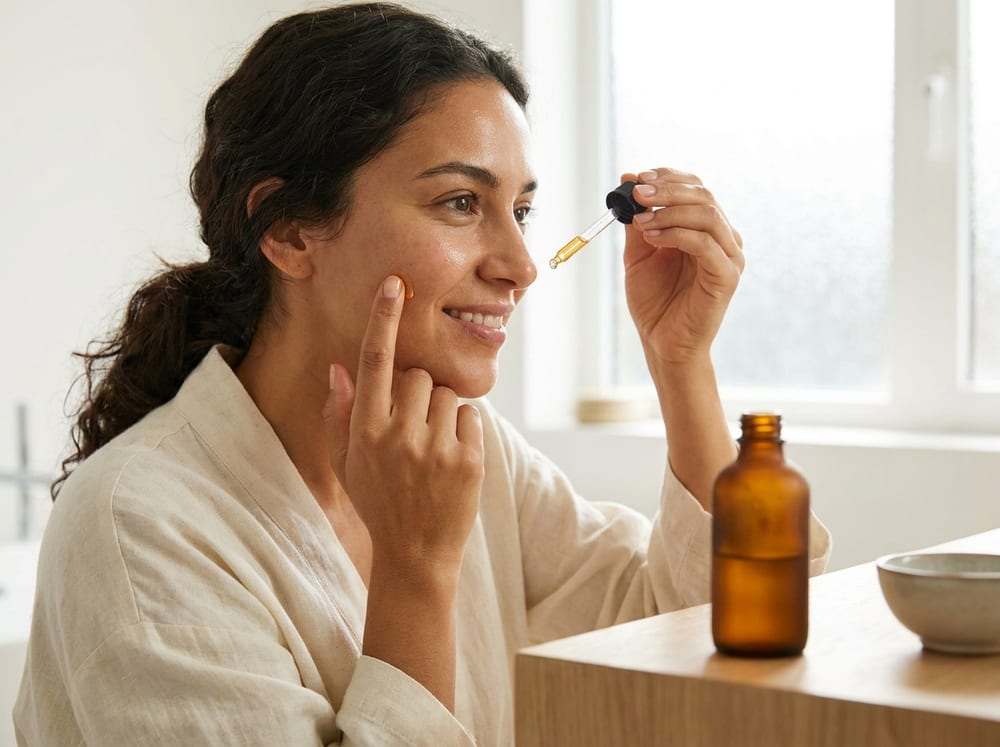
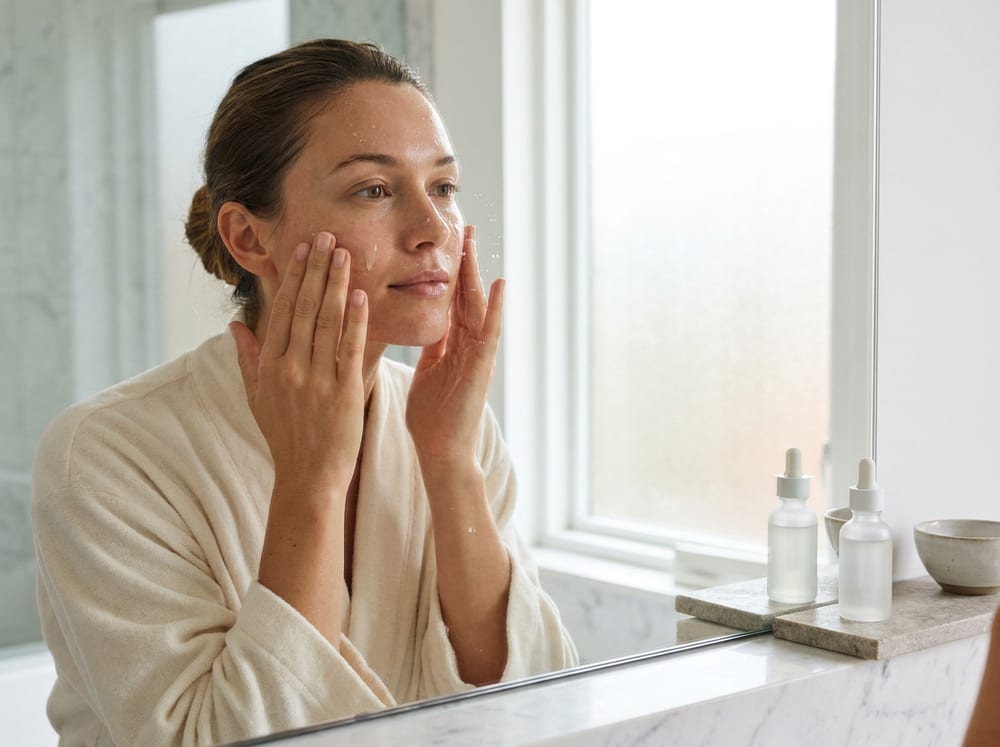
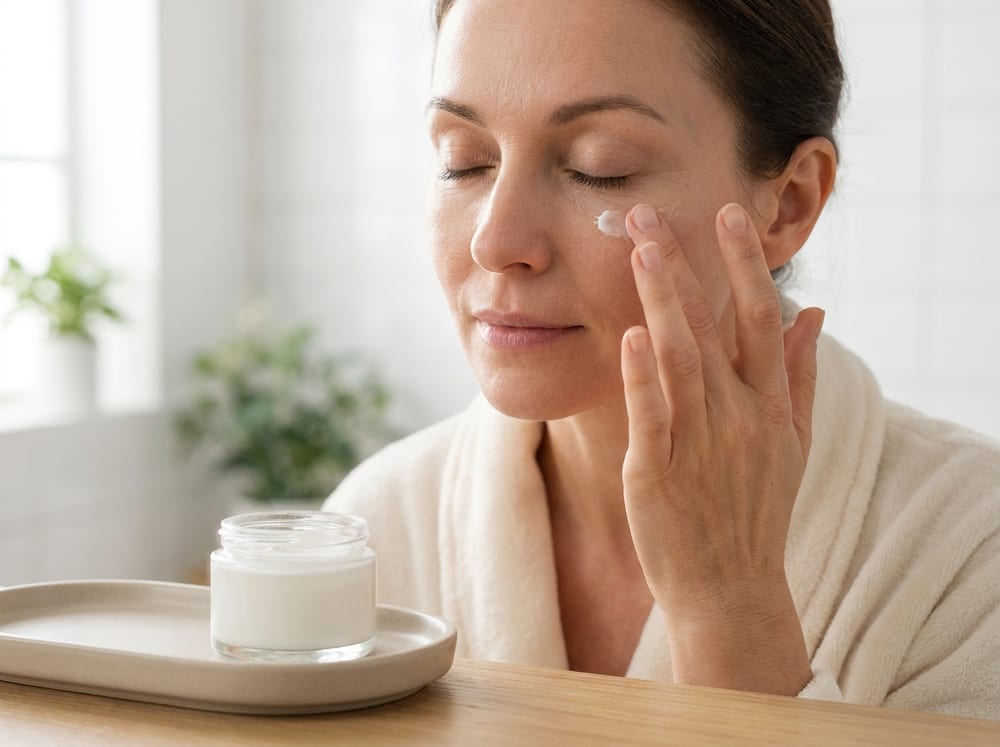
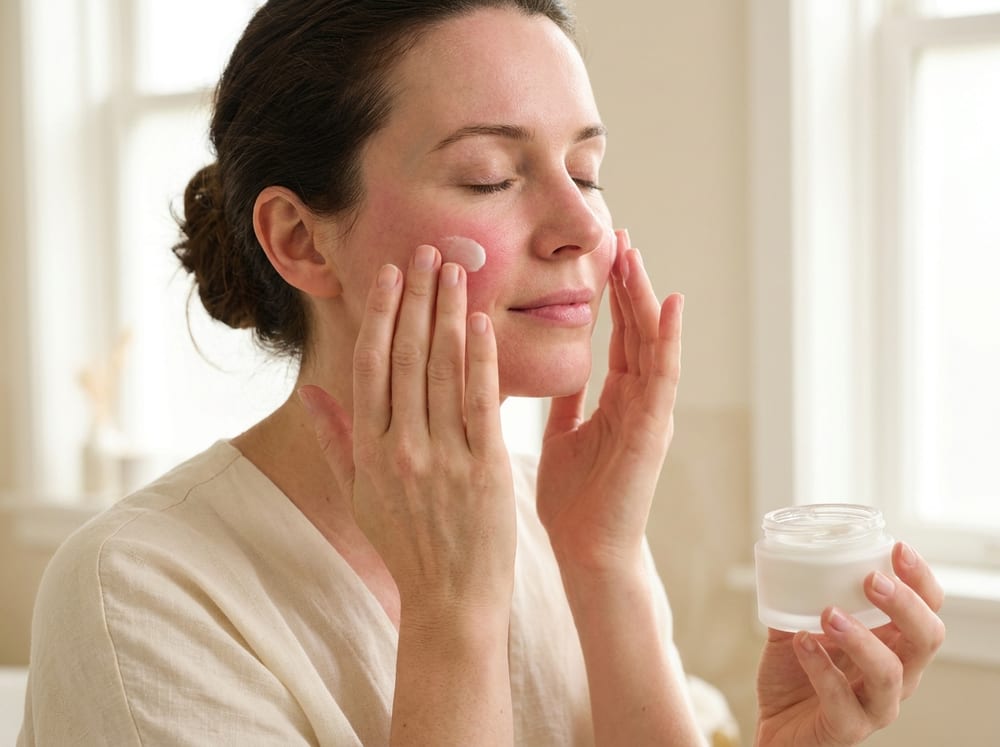
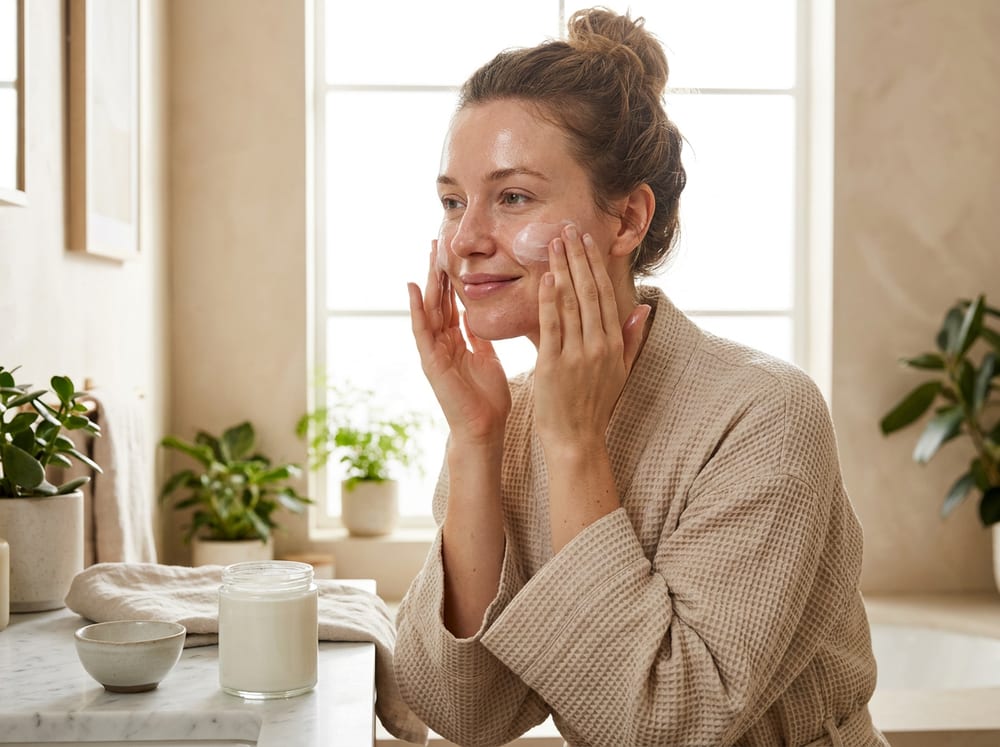
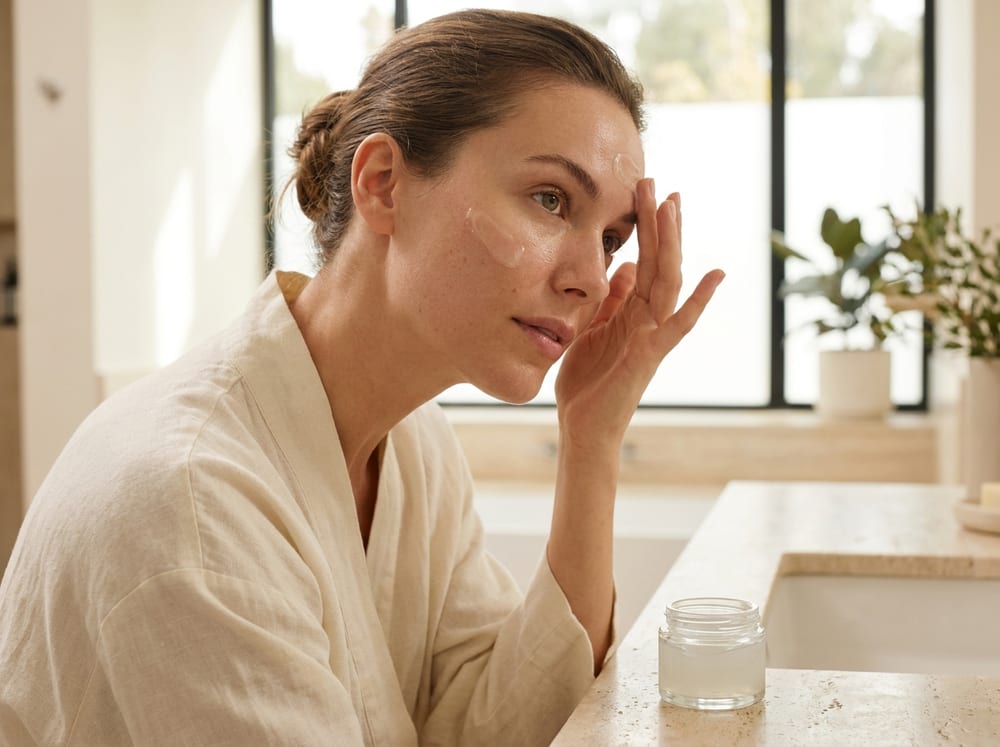
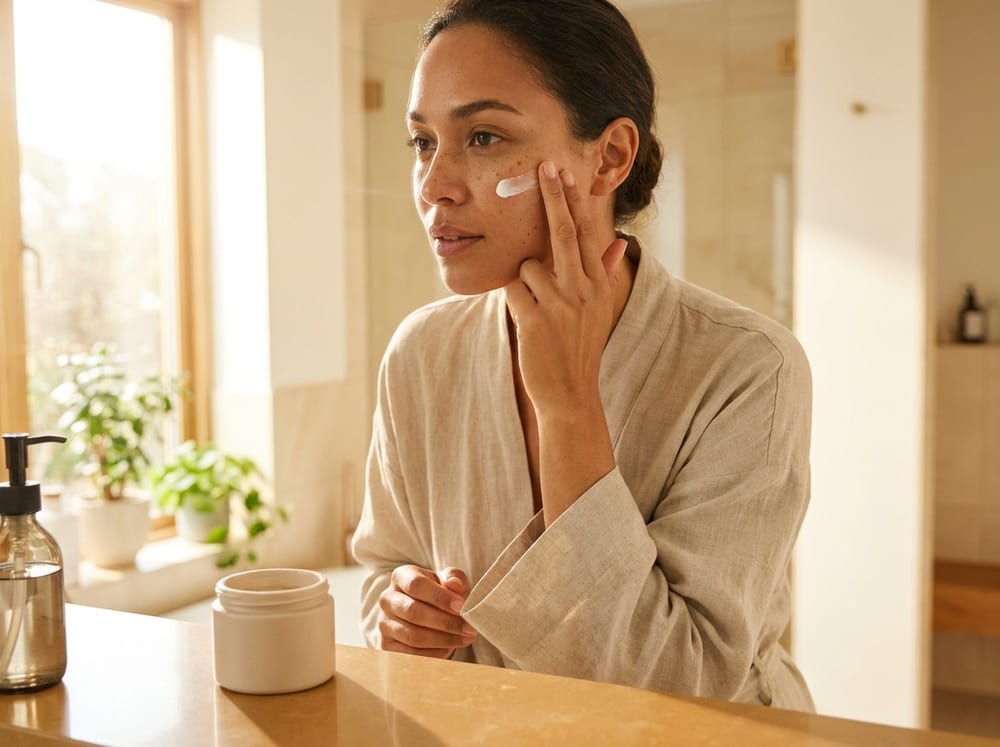
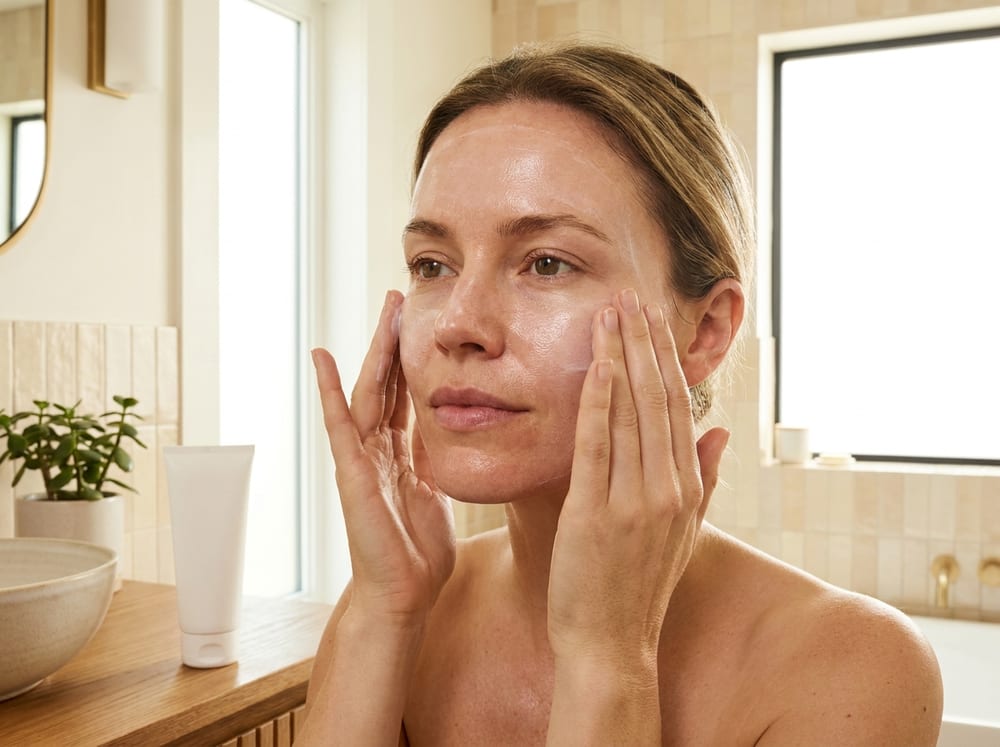
An elegant skincare still life of serums and creams in warm editorial light
Evidence-led · good / better / best

The Skincare Protocol

What actually moves the needle for skin, ranked by the evidence — with a Good, Better, and Best pick for every step so you can shop at any budget. Build a morning and night routine tailored to your skin type below.

Educational, not medical advice. Patch-test new actives, introduce them one at a time, and always pair acids and retinoids with morning sunscreen. Retinoids and some actives are not recommended in pregnancy — if you are pregnant or nursing, check with your dermatologist or OB first.

Build your routine

Pick your skin type for a morning and night routine, layered in the right order — each step with a Good, Better, and Best buy option. No account needed.

Skin type
Shopping for
Morning
Night

Extras, body care & grooming

Optional add-ons — a hydrating toner, weekly facial tools, body & foot care, body exfoliation, a self-tanner, and grooming. Tap any step for the full how-to.

The full library

Skin type
When
Gentle Gel Cleanser Strong evidence Cleanse

Gentle Gel Cleanser

AMPM Every morning and evening

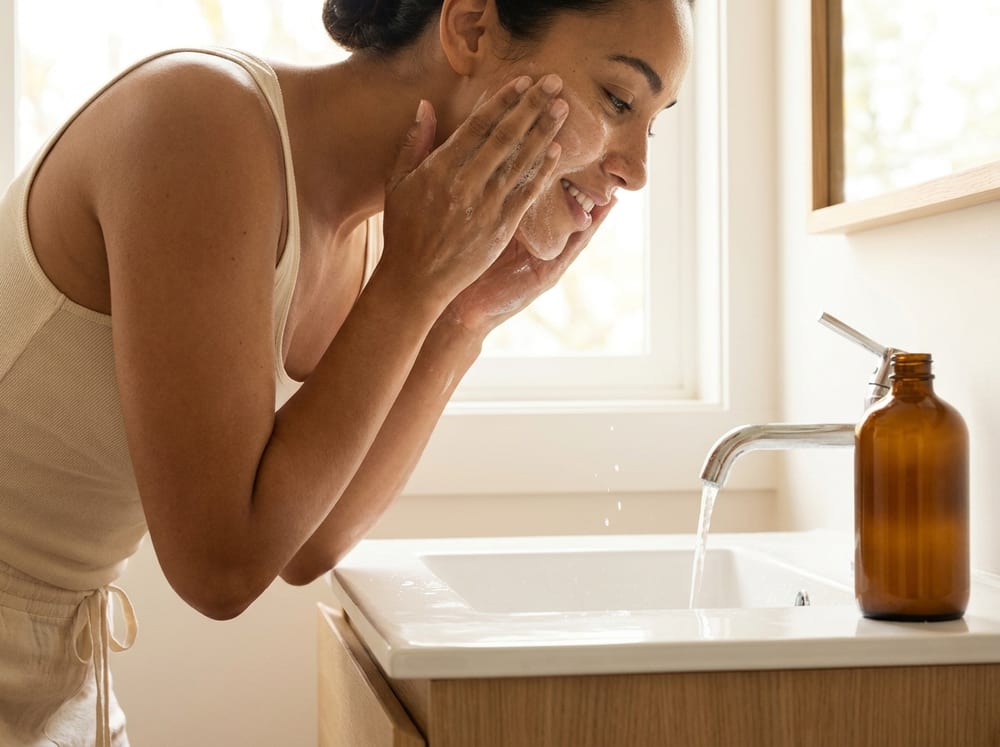
A low-foaming gel built on mild surfactants lifts excess sebum, sunscreen, and daily grime from the skin surface without stripping the barrier lipids that keep skin resilient. Clearing this film leaves a clean canvas so the actives that follow can reach the skin rather than sitting on residue.

How to use & why
  1. Use as the first step, morning and night.
  2. Massage a dime-sized amount over damp skin for about thirty seconds.
  3. Rinse with lukewarm water, never hot, and pat dry.
  4. Follow with your serums and moisturizer.
  5. If skin feels tight or squeaky, it may be too stripping for you.

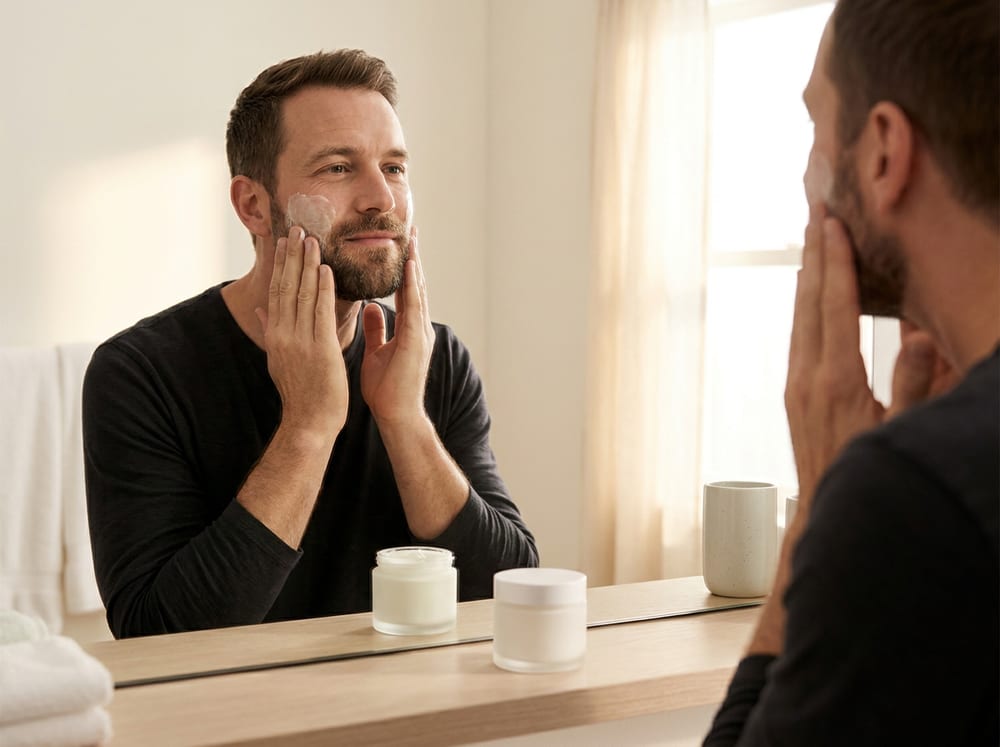
For men: Cleanse before you shave, not after. Clearing sebum and grime softens the beard and gives the razor a cleaner pass, and it spares freshly shaved skin the surfactants.

Evidence
Gentle, pH-balanced cleansing is a well-established foundation of dermatologic care, and it is the least controversial step in any routine; the honest caveat is that a cleanser is rinsed off in seconds, so it prepares the skin more than it treats it.
Targets
acne, oiliness, dullness, congestion
Cautions
Avoid hot water and over-scrubbing, which can compromise the barrier and paradoxically drive more oil. If skin feels tight or squeaky after rinsing, the formula may be too stripping for you. This is educational information for discussion with a clinician, not medical advice.
Hydrating Cream Cleanser Strong evidence Cleanse

Hydrating Cream Cleanser

AMPM Every morning and evening

A creamy, low-surfactant base emulsifies dirt and makeup while depositing humectants and emollients that cushion the skin, so cleansing removes buildup without dissolving the barrier lipids that dry and reactive skin can least afford to lose.

How to use & why
  1. Use as the first step, morning and night.
  2. Massage a nickel-sized amount over dry or damp skin.
  3. Rinse with lukewarm water or gently tissue it off.
  4. Follow immediately with serums and moisturizer while skin is still damp.
  5. On dry mornings, a single gentle pass or water alone may be enough.

For men: If shaving leaves your face tight and red, this is the cleanser to reach for. Cleanse first, shave, then moisturize, and skip a second lathering pass that dry skin does not need.

Evidence
The value of gentle, lipid-respecting cleansing for dry and sensitive skin is well supported in dermatology; the honest limit is that a rinse-off cleanser cannot deliver lasting hydration on its own and works best paired with a leave-on moisturizer.
Targets
dryness, redness, sensitivity, tightness
Cautions
Skip hot water and vigorous rubbing, which worsen tightness and redness. If mornings feel dry, cleansing with water alone or a quick single pass may suit you better. This is educational information for discussion with a clinician, not medical advice.
Hydrating Toner / Essence Moderate evidence Tone

Hydrating Toner / Essence

AMPM Daily, morning and night (optional)

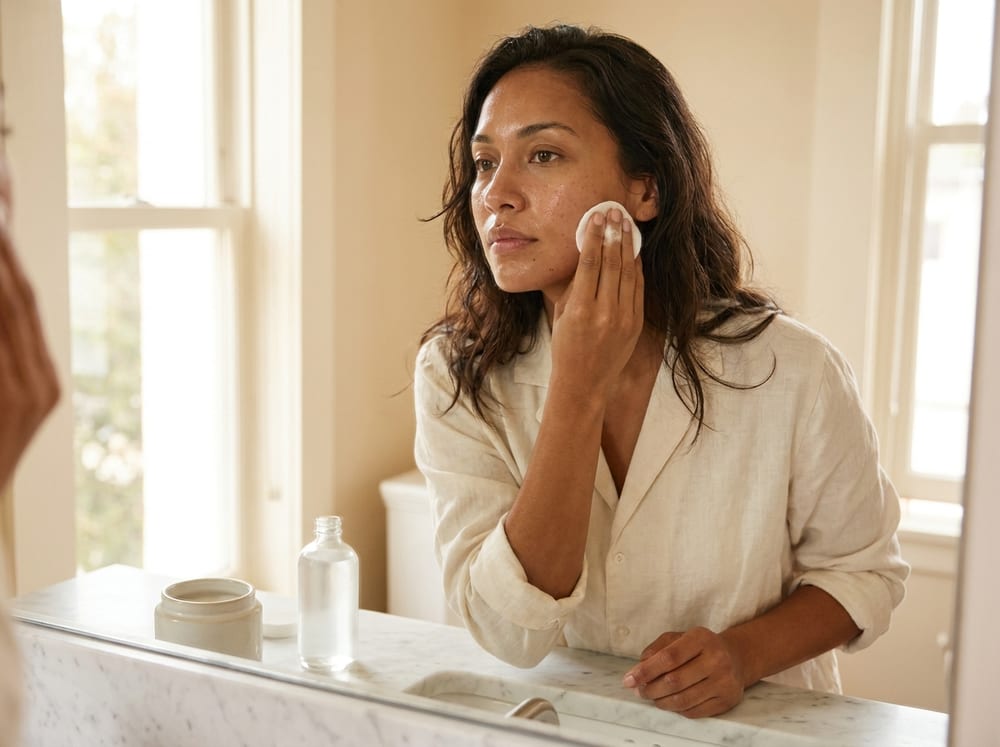
A modern hydrating toner or essence is a watery layer of humectants such as glycerin, hyaluronic acid, panthenol, and amino acids pressed into freshly cleansed, still-damp skin. It tops up surface water, softens the skin so the serums and moisturizer that follow spread and absorb more evenly, and calms the tight feeling some cleansers leave behind. It is a comfort-and-prep step, not an active treatment.

How to use & why
  1. Cleanse first and leave your skin damp, not dried off.
  2. Pour a few drops into clean palms or onto a soft reusable pad.
  3. Press gently over the face and neck, or sweep outward with the pad.
  4. Move straight into your serums while skin is still slightly damp so humectants seal water in.
  5. Choose an alcohol-free, fragrance-free formula if your skin is sensitive.

For men: An easy one-step upgrade: press a hydrating toner over damp skin after cleansing (and after shaving, where it helps calm tightness) before your moisturizer.

Evidence
Humectant toners measurably raise the water content of the top skin layers, and a well-formulated one improves the immediate feel, glide, and absorption of the rest of a routine. It is genuinely optional: skipping it will not undo good cleansing, serums, and moisturizer. What you should avoid is the old-fashioned astringent, high-alcohol, or witch-hazel toner, which can strip and irritate the barrier.
Targets
dehydration, dullness, rough texture, tightness
Cautions
Skip astringent, high-alcohol, or fragrance-heavy 'toners' if your skin ever feels tight or stings, especially on sensitive or dry skin. This step is optional and educational, not medical advice.
Copper Peptide (GHK-Cu) Serum Emerging evidence Treat & Protect

Copper Peptide (GHK-Cu) Serum

PM Most evenings, as tolerated

GHK-Cu is a copper-bound tripeptide that signals fibroblasts to produce more collagen and elastin and supports the skin's repair and antioxidant pathways. The result is a firming, replenishing effect aimed at loss of density and elasticity rather than a single targeted concern.

How to use & why
  1. Apply in the evening on clean skin.
  2. Press a few drops over the face and neck before moisturizer.
  3. Keep it away from direct acid or high-strength vitamin C layering.
  4. Use it on its own step, or on alternate nights from strong actives.
  5. Give it weeks to months of consistent use before judging results.

For men: Slot it onto the nights you are not using your acid or retinoid, so the copper complex stays stable. A simple two-lane rotation keeps a men's routine from getting fussy.

Evidence
Small clinical studies report increased collagen and improvements in wrinkle depth, skin density, and firmness over about 12 weeks, but trials are limited in size and independence, so the evidence is promising and still emerging rather than definitive.
Targets
aging, dullness, redness, dryness
Cautions
Generally well tolerated, though results depend on sustained use over months and the strongest anti-aging evidence still belongs to sunscreen and retinoids. Avoid pairing directly with strong acids or vitamin C in the same layer. This is educational information for discussion with a clinician, not medical advice.
Niacinamide Serum Moderate evidence Treat & Protect

Niacinamide Serum

AMPM Every morning and evening

Niacinamide, a form of vitamin B3, supports the skin's production of ceramides and barrier lipids, helps regulate sebum, and calms inflammatory signaling. It also limits the transfer of pigment to surface skin cells, which over time can make pores look refined and tone look more even.

How to use & why
  1. Apply after cleansing and any water-based treatments, before moisturizer.
  2. Press a few drops over the face, morning or night or both.
  3. Layer it comfortably with vitamin C, sunscreen, and most other actives.
  4. Start around five percent to avoid flushing.
  5. Introduce one new product at a time so you can read what your skin responds to.

For men: A genuinely low-maintenance active for oil-prone skin: it helps regulate sebum and calm shave redness, and it plays nicely alongside everything else, so it is an easy single addition.

Evidence
Niacinamide is supported by a solid body of clinical work for barrier support, oil balance, redness, and modest improvement in pore appearance and pigmentation; effects are real but generally moderate and cumulative rather than dramatic, and it is notably well tolerated, including by sensitive skin.
Targets
oiliness, redness, enlarged pores, uneven tone, hyperpigmentation
Cautions
Very high concentrations can occasionally cause flushing or irritation, so a moderate strength around five percent is a sensible starting point. If you use several actives, introduce one new product at a time so you can tell what your skin responds to. This is educational information for discussion with a clinician, not medical advice.
Vitamin C Antioxidant Serum Strong evidence Treat & Protect

Vitamin C Antioxidant Serum

AM Every morning

Vitamin C (typically L-ascorbic acid) neutralizes free radicals generated by UV and pollution, and it is a required cofactor for the enzymes that build collagen. It also interrupts excess melanin production, which is why consistent use gradually brightens tone and softens dark spots.

How to use & why
  1. Apply in the morning to clean, dry skin after cleansing.
  2. Press a few drops gently over the face and neck.
  3. Let it settle, then layer moisturizer and sunscreen on top.
  4. Introduce slowly if your skin stings or flushes easily.
  5. Store away from heat and light, and toss it if it turns deep orange or brown.

For men: Apply after shaving has fully calmed, not onto raw nicks, since ascorbic acid will sting broken skin. On a shave day, give it a few minutes before your SPF.

Evidence
Topical vitamin C is one of the best-studied antioxidants in skincare, with human trials supporting improved brightness, more even tone, and photoprotection when it complements sunscreen; results are gradual over weeks to months, and formula stability matters as much as the percentage on the label.
Targets
dullness, hyperpigmentation, aging, uneven tone
Cautions
Introduce slowly if your skin is sensitive, since higher-strength ascorbic acid can sting or cause temporary flushing; a lower concentration or a gentler derivative may suit reactive skin. Store away from heat and light, and discard if it turns deep orange or brown. This is educational information for discussion with a clinician, not medical advice.
Hyaluronic Acid Hydrating Serum Moderate evidence Hydrate

Hyaluronic Acid Hydrating Serum

AMPM Every morning and evening

Hyaluronic acid is a humectant that binds many times its weight in water, drawing moisture into the upper layers of the skin. Lower-molecular-weight fragments settle into the surface while larger ones hold a film of water at the top, so skin looks plumper and fine lines from dehydration soften temporarily. It hydrates but does not seal, which is why it sits under a moisturizer rather than replacing one.

How to use & why
  1. Apply to clean, still-damp skin after cleansing.
  2. Press two to three drops over the face and neck before it fully dries.
  3. Use it early in the routine, before richer creams.
  4. Always seal it with a moisturizer to lock the water in.
  5. This matters most in dry air or low humidity.

For men: Lightweight and no residue, so it suits oilier skin that hates heavy creams. Pat it on right after you rinse the sink, then moisturize before your face air-dries.

Evidence
Multiple controlled cosmetic studies show topical hyaluronic acid measurably increases skin hydration and reduces the appearance of fine lines over several weeks, though the effect is surface-level and reverses if the routine stops, so the evidence is solid for hydration but modest in magnitude.
Targets
dryness, dullness, aging
Cautions
In very dry or arid environments, humectants can occasionally pull water from deeper skin if left unsealed, so always follow with a moisturizer. Generally well tolerated across skin types, including sensitive skin. This is educational information for discussion with a clinician, not medical advice.
AHA/BHA Chemical Exfoliant Strong evidence Exfoliate

AHA/BHA Chemical Exfoliant

PM 2-3 nights per week

Alpha-hydroxy acids like glycolic and lactic acid dissolve the bonds between dead surface cells to smooth texture and brighten, while beta-hydroxy acid (salicylic) is oil-soluble and penetrates into pores to clear sebum and calm acne. Together they resurface the skin and keep pores clearer.

How to use & why
  1. Use in the evening on dry skin after cleansing.
  2. Apply with a cotton pad or fingertips, avoiding the eye area.
  3. Keep it early in the routine, before heavier serums and moisturizer.
  4. Start once or twice weekly and increase only as tolerated.
  5. Do not use it the same night as your retinoid.
  6. Wear daily SPF, since acids raise sun sensitivity.

For men: Skip exfoliating on shave days: the razor is already resurfacing, and acids on top invite raw, stinging skin. Use it on a rest night instead, and it helps clear ingrown hairs over time.

Evidence
Chemical exfoliation is well studied, with controlled trials showing AHAs improve texture, tone, and fine lines and BHA reduces inflammatory acne lesions; evidence is strongest for acne and texture and more moderate for hyperpigmentation.
Targets
acne, dullness, hyperpigmentation, aging
Cautions
Over-exfoliation causes redness, stinging, and a compromised barrier; start once or twice weekly and increase only as tolerated. Acids raise sun sensitivity, so daily SPF is essential. This is educational information, not medical advice; discuss with a clinician before combining actives.
Retinoid (Retinal) Night Treatment Moderate evidence Renew

Retinoid (Retinal) Night Treatment

PM 2-3 nights per week, building up as tolerated

Retinal (retinaldehyde) is a vitamin A derivative that converts to active retinoic acid in a single step, binding retinoid receptors to accelerate cell turnover, boost collagen production, and normalize how pores shed cells. That is why retinoids address fine lines, uneven texture, and clogged pores at once.

How to use & why
  1. Use at night on clean, fully dry skin.
  2. Dot a pea-sized amount across the face and gently spread it.
  3. Avoid the immediate eye area and the corners of the nose and mouth.
  4. Start at two nights a week, building up only as your skin tolerates it.
  5. Buffer with moisturizer first if you flake, and always wear SPF the next day.
  6. Avoid entirely during pregnancy and breastfeeding.

For men: Keep it off freshly shaved skin: apply on non-shave nights, or wait until a shaved area has fully calmed, since retinal plus a razor multiplies irritation and flaking.

Evidence
Prescription tretinoin has strong, long-standing evidence for photoaging and acne; retinal is more bioavailable than retinol and shows promising 8-week clinical results for texture and photoaging, though head-to-head data against the tretinoin gold standard remain limited.
Targets
aging, acne, dullness, hyperpigmentation
Cautions
Avoid during pregnancy and breastfeeding. Introduce slowly to limit dryness, flaking, and irritation, and always pair with daily SPF since retinoids increase sun sensitivity. This is educational information for discussion with a clinician, not a prescription or medical advice.
Peptide Eye Cream Moderate evidence Eye Care

Peptide Eye Cream

AMPM Every morning and evening

Short-chain signal peptides are thought to prompt fibroblasts toward collagen and matrix synthesis, while a humectant and emollient base cushions the thin, mobile skin around the eye and softens the look of fine, dehydration-related creping.

How to use & why
  1. Apply after cleansing and any water-based serums.
  2. Warm a rice-grain amount and pat it along the orbital bone with your ring finger.
  3. Stay outside the lash line and off the waterline.
  4. Use it before your face moisturizer, and before sunscreen in the morning.
  5. Treat firming claims as supportive, not transformative, and give it weeks.

For men: A little goes a long way; overloading the thin under-eye skin causes puffiness, not faster results. One rice-grain dab per eye, twice a day, is the whole job.

Evidence
Small controlled studies and formulation trials suggest topical peptides can modestly improve fine lines and firmness over weeks of consistent use, though effects are subtle, product-dependent, and far less established than for retinoids or vitamin C.
Targets
aging, dryness, dullness
Cautions
Peptide evidence is moderate, not definitive, so treat firming claims as supportive rather than transformative. Patch test if your eye area is reactive, keep product off the waterline, and pair a morning application with daytime SPF since the under-eye skin is easily sun-damaged. This is educational information to discuss with a clinician, not medical advice.
Barrier-Repair Soothing Cream Strong evidence Moisturize

Barrier-Repair Soothing Cream

AMPM Every morning and evening

Ceramides, cholesterol, and fatty acids in a balanced ratio replenish the lipids of the outer skin barrier, restoring the mortar between skin cells so the barrier holds water better and is less permeable to irritants that drive redness and stinging.

How to use & why
  1. Smooth a nickel-sized amount over slightly damp skin after your serums.
  2. Use it as a near-final step, morning and evening.
  3. In the morning, apply it under sunscreen.
  4. At night, use it as your last step, or before a heavier occlusive if needed.
  5. Reapply any time skin feels tight, and patch test when switching formulas.

For men: The go-to for razor burn and reactive, stinging skin. Apply straight after shaving to calm and rebuild the barrier, and remember the morning layer still needs SPF over it.

Evidence
Barrier-repair moisturizers with physiological lipids are well studied and consistently shown to reduce water loss and soothe compromised, reactive, and eczema-prone skin, making this one of the better-supported categories in a routine.
Targets
dryness, redness, aging
Cautions
Well tolerated for most, but any product can still react on very sensitive skin, so patch test when switching. A morning application does not replace sunscreen, which remains the single best step for barrier and aging. This is educational information to discuss with a clinician, not medical advice.
Ceramide Barrier Moisturizer Strong evidence Moisturize

Ceramide Barrier Moisturizer

AMPM Every morning and evening

Ceramides are the lipids that fill the spaces between skin cells and form the mortar of the outer barrier. Topical ceramides, often paired with cholesterol and fatty acids, replenish what depleted or compromised skin has lost, reducing water loss through the surface and calming the reactivity that comes with a weakened barrier. The result is skin that holds its own moisture and tolerates the environment better.

How to use & why
  1. Warm a nickel-sized amount between your fingertips.
  2. Smooth it over the whole face and neck after any serums.
  3. Use it as the last step at night, or before sunscreen in the morning.
  4. Apply to slightly damp skin to trap more moisture.
  5. If a formula stings, switch to a fragrance-free version.

For men: The right repair step for post-shave tightness and windburn. Apply after shaving to rebuild the barrier the razor stripped; a fragrance-free version stings least on freshly shaved skin.

Evidence
Barrier repair with physiological lipids including ceramides is well established in the dermatology literature, with controlled studies showing reduced transepidermal water loss and improved comfort in dry and sensitive skin, making this one of the better-supported categories in a routine.
Targets
dryness, redness, aging
Cautions
Generally very well tolerated, including on sensitive and reactive skin. If a specific formula causes stinging, an added fragrance or botanical rather than the ceramides is the usual culprit, so a fragrance-free version is worth trying. This is educational information for discussion with a clinician, not medical advice.
Oil-Free Gel Moisturizer Moderate evidence Moisturize

Oil-Free Gel Moisturizer

AMPM Every morning and evening

A gel-textured, oil-free moisturizer hydrates using humectants such as glycerin and hyaluronic acid and lightweight water-binding agents rather than heavy occlusive oils. This keeps oily and combination skin hydrated without adding surface grease or contributing to a heavy, pore-clogging feel, so the barrier stays supported while the finish stays matte.

How to use & why
  1. Smooth a pea to nickel-sized amount over clean skin after serums.
  2. Use it morning and evening.
  3. Keep it thin, concentrating on any areas that feel tight.
  4. In the morning, let it set, then apply sunscreen on top.
  5. Patch test new formulas if you are acne-prone.

For men: Ideal if you find most moisturizers greasy and skip the step. Even oily skin needs it, and going without tends to drive more oil, not less, so a thin gel layer is the compromise that sticks.

Evidence
Moisturization itself is well supported for maintaining a healthy barrier, and non-comedogenic gel formulations are shown to hydrate oily skin without worsening breakouts; the benefit is real though the specific finish and staying power depend heavily on the individual formula.
Targets
dryness, acne, dullness
Cautions
Look for a non-comedogenic, oil-free label if breakouts are a concern, and patch test new formulas on acne-prone skin. Even oily skin needs moisture, so skipping this step can paradoxically drive more oil production. This is educational information for discussion with a clinician, not medical advice.
Broad-Spectrum SPF 46 Sunscreen Strong evidence Sunscreen

Broad-Spectrum SPF 46 Sunscreen

AM Every morning, reapplied through the day

Broad-spectrum sunscreen filters both UVB, which burns, and UVA, which drives photoaging and pigment changes, either by absorbing the radiation or reflecting it away from the skin. By blocking the ultraviolet exposure that breaks down collagen and stimulates uneven melanin, daily use prevents the accumulated damage that shows up years later as lines, dark spots, and rough texture.

How to use & why
  1. Apply as the final morning step, after moisturizer and before makeup.
  2. Use about a quarter-teaspoon for the face, more for the neck.
  3. Spread an even coat over all exposed skin about fifteen minutes before going out.
  4. Reapply every two hours of sun exposure and after sweating or swimming.
  5. Pair it with shade, hats, and clothing for long stretches outdoors.

For men: This is the single highest-value step, and the one men skip most. Do not forget a receding hairline, ears, and the back of the neck, which take the most sun and get the least attention.

Evidence
Daily broad-spectrum sunscreen is among the best-evidenced interventions in all of skincare, with randomized controlled trials showing it measurably slows visible photoaging and reduces skin cancer risk; this is the single highest-value step in any routine.
Targets
aging, hyperpigmentation, dullness
Cautions
Reapply every two hours during sustained sun exposure and after sweating or swimming, since one morning application does not last all day. No sunscreen blocks one hundred percent of UV, so pair it with shade, clothing, and hats for extended time outdoors. This is educational information for discussion with a clinician, not medical advice.
Mineral Sunscreen SPF 50 (Sensitive) Strong evidence Sunscreen

Mineral Sunscreen SPF 50 (Sensitive)

AM Every morning, reapplied through the day

Zinc oxide and titanium dioxide sit on the skin surface and reflect and absorb UVA and UVB, blocking the radiation that drives sunburn, collagen breakdown, and pigment production. As mineral filters, they protect on contact and tend to be well tolerated by reactive skin.

How to use & why
  1. Apply as the last morning step, over serum or moisturizer and before makeup.
  2. Use about a quarter-teaspoon, roughly two finger-lengths, for the face.
  3. Spread it evenly to the hairline, ears, and neck.
  4. Reapply every two hours outdoors and after water or heavy sweat.
  5. Rub in fully to minimize any faint cast.

For men: The gentler pick for sensitive, easily irritated, or recently shaved skin, since it protects on contact without chemical filters. Take an extra moment to work the white cast in along the jaw and neck.

Evidence
Daily broad-spectrum sunscreen is one of the most robustly supported interventions in dermatology, with controlled studies showing it measurably slows photoaging and reduces hyperpigmentation, and mineral formulations achieve reliable SPF 30 to 50-plus protection.
Targets
aging, hyperpigmentation, redness, dullness
Cautions
Reapply every two hours outdoors and after water or heavy sweat, since one morning application does not last all day. Mineral formulas can leave a faint cast on deeper skin tones. This is educational information, not medical advice; discuss photoprotection needs with a clinician.
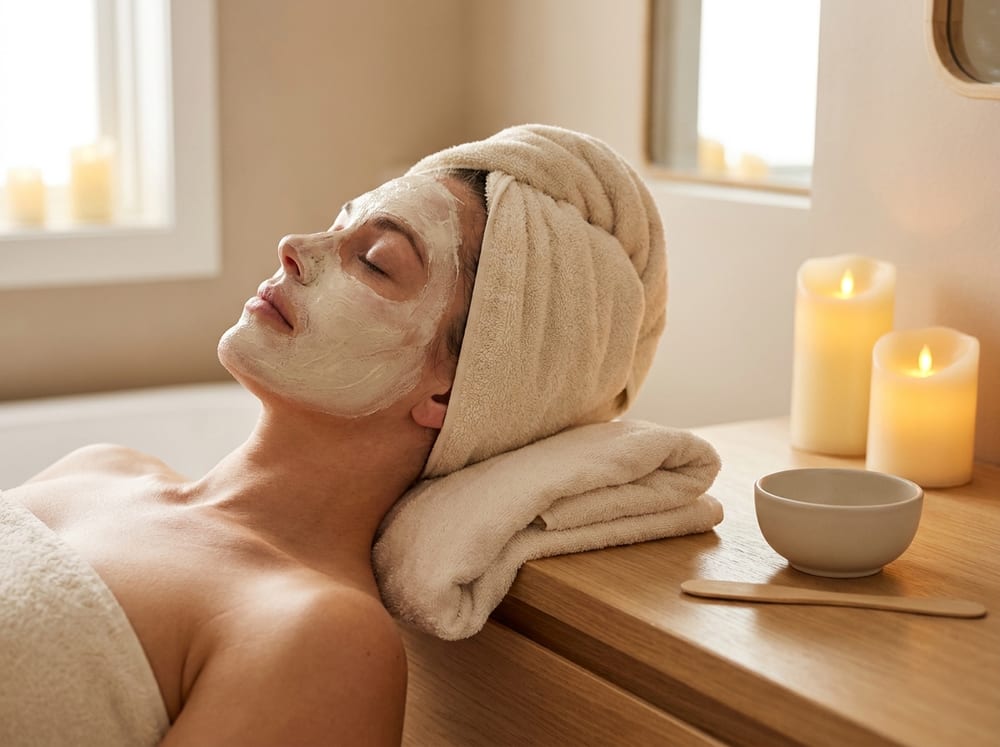
Weekly Hydrating Mask Moderate evidence Weekly Treatment

Weekly Hydrating Mask

PM 1-2 nights per week

A concentrated dose of humectants such as glycerin and hyaluronic acid draws and holds water in the upper layers, while occlusive and emollient agents slow water loss, giving skin a temporarily plumper, more even, better-reflecting surface.

How to use & why
  1. Use in the evening, one to two nights a week.
  2. Apply an even, generous layer to clean, dry skin, avoiding eyes and lips.
  3. Leave it on only for the stated time.
  4. Rinse it off, or press in the residue.
  5. Follow with your usual moisturizer as the last step.
  6. Choose a fragrance-free formula and patch test if you are sensitive.

For men: This is an occasional comfort step, not a routine you owe anything to. Reach for it on nights after heavy sun, wind, or travel when your face feels tight, and skip it otherwise.

Evidence
Humectant and occlusive ingredients are well supported for short-term hydration and improved barrier feel, though the added benefit of a weekly mask format over simply using a good daily moisturizer is modest and largely comfort- and appearance-driven.
Targets
dryness, dullness, redness
Cautions
Benefits are largely temporary and about comfort and glow rather than long-term change. Choose a fragrance-free formula if you are sensitive, patch test first, and do not leave the mask on far past its intended time, which can over-hydrate and irritate. This is educational information to discuss with a clinician, not medical advice.
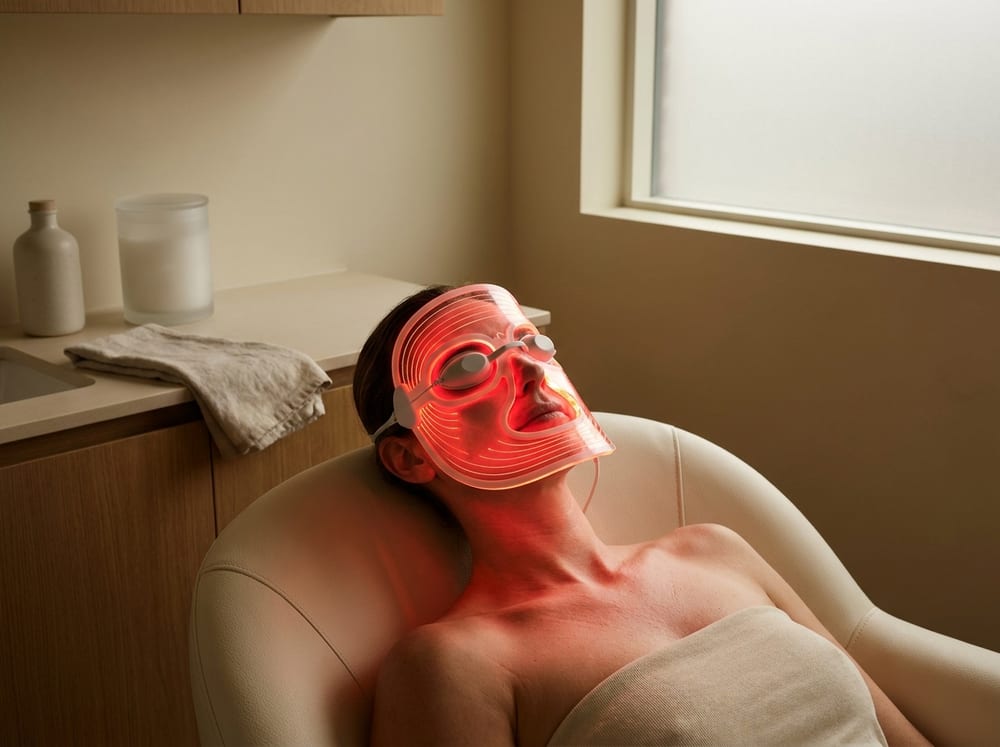
Red-Light Therapy (LED) Emerging evidence Red-Light Therapy

Red-Light Therapy (LED)

PM 3-5 sessions per week

Red and near-infrared wavelengths are absorbed by mitochondria and are thought to nudge cellular energy production and fibroblast activity, which may gradually support collagen and a calmer, more even-looking complexion.

How to use & why
  1. Use on clean, dry, bare skin before any serums or moisturizer.
  2. Hold or wear the device at the manufacturer's specified distance.
  3. Treat each zone for the recommended minutes.
  4. Always wear the included eye protection and never stare into the LEDs.
  5. Run sessions three to five times a week for eight to twelve weeks.
  6. Apply your usual evening routine afterward.

For men: Results are subtle and depend on showing up, so anchor it to an existing habit. A hands-free mask you wear while doing something else makes the routine survivable; a beard does not block the light from reaching the skin beneath.

Evidence
Early clinical studies and manufacturer trials report modest gains in firmness, fine lines, and redness with consistent home LED use, but samples are small and results vary by device output, so the evidence is promising rather than definitive.
Targets
aging, dullness, redness
Cautions
Always use the included eye protection and never stare into the LEDs. Consistency over months is what drives any benefit, and results are subtle. Skip or seek guidance if you take photosensitizing medication or have a light-triggered condition. This is educational information to discuss with a clinician, not medical advice.
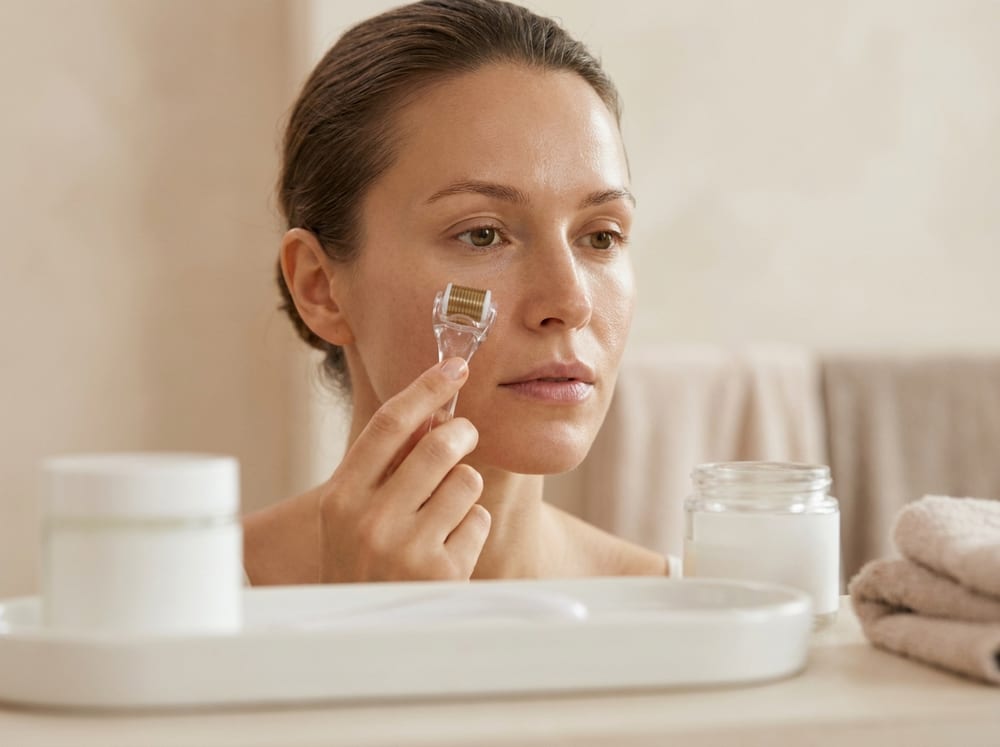
Dermaroller (0.25mm Cosmetic) Emerging evidence Tools

Dermaroller (0.25mm Cosmetic)

PM Once a week

A 0.25mm cosmetic roller passes rows of very short microneedles across the skin, creating a shallow disruption of the outermost layer. This is thought to briefly increase how well a water-based serum penetrates and to give a light, temporary smoothing and glow. It works at the surface only. This is not the same as clinical microneedling, where a professional uses 0.5mm or longer needles to reach the dermis and trigger a true wound-healing and collagen response; that depth belongs in a treatment room, not your bathroom.

How to use & why
  1. Disinfect the roller in alcohol and let it air-dry, then cleanse your face and let the skin dry fully.
  2. Roll gently over one area at a time, a few light passes in each direction, with even pressure and no scratching.
  3. Avoid the eye area, lips, and any active breakout, redness, or broken skin entirely.
  4. Follow right away with a plain hydrating, water-based serum, then your usual moisturizer.
  5. Disinfect the roller again, let it dry, and store it in its case; replace it when the needles feel dull.
  6. Keep sessions to once a week, and never on a night you use retinoids or acids.

For men: Fold it into your existing routine rather than adding steps: roll on a clean-shaven, fully healed evening, never right after shaving or over razor irritation or ingrown spots, since the skin is already disrupted. Higher facial oiliness pairs well with a light hydrating serum afterward instead of anything heavy.

Evidence
Evidence for at-home 0.25mm rollers is early and thin. Clinical trials that show meaningful collagen remodeling use longer needles applied in-office, and their results should not be borrowed to justify the cosmetic version. For the 0.25mm home tool, the honest read is a modest, mostly cosmetic boost in serum absorption and short-term smoothness, with the real, well-documented benefit of deeper microneedling reserved for professional depths.
Targets
dullness, texture, absorption, aging
Cautions
Only the 0.25mm cosmetic length is appropriate for home use; longer needles are a clinical procedure and belong with a professional. Disinfect the roller in alcohol before and after every use, and let it dry. Never roll over active acne, broken skin, eczema, rosacea, or irritation, as you can spread bacteria and inflame the area. Do not use it on the same night as retinoids or exfoliating acids; pair it only with a plain hydrating serum. Replace the roller regularly, since dulled or bent needles tear rather than glide. Keep it to once a week. This is educational information, not medical advice; check with a clinician before adding it, especially if you have a skin condition or take photosensitizing medication.
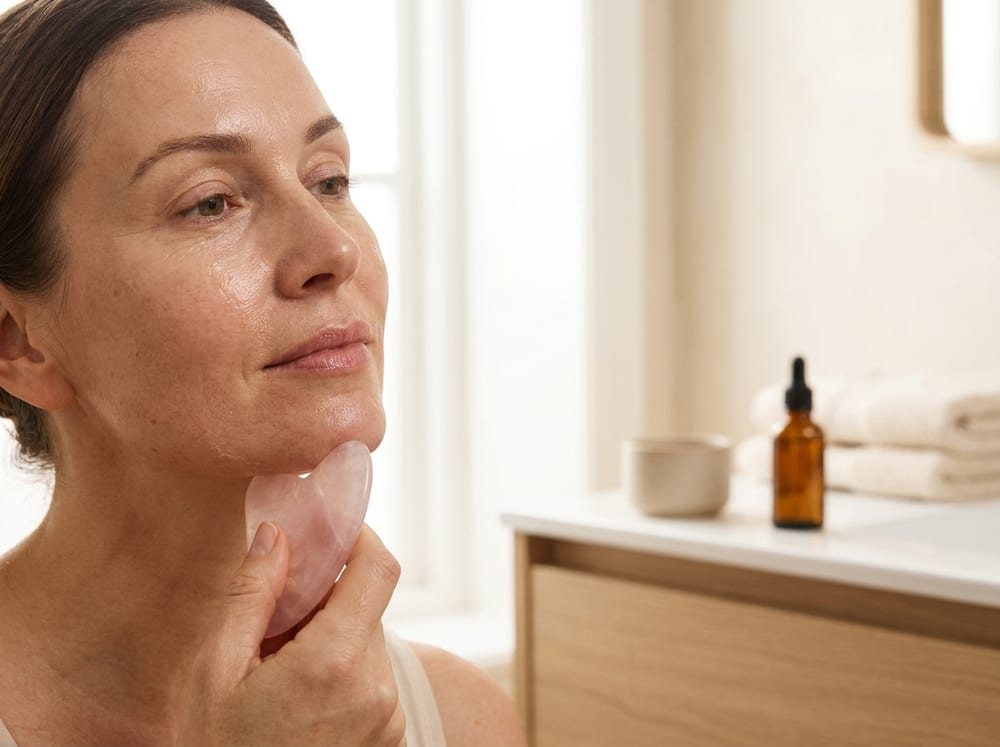
Gua Sha Facial Tool Emerging evidence Tools

Gua Sha Facial Tool

PM 3-5 evenings per week, or any night you want to unwind

A smooth jade or quartz stone is stroked along the face and neck with light, even pressure. The gliding motion is thought to briefly encourage lymphatic and superficial fluid movement and relax the muscles of facial expression, which can leave skin looking momentarily de-puffed, warmer, and more awake. It works on soft tissue and fluid only; it does not lift, tighten, or reshape bone or lasting structure.

How to use & why
  1. Apply a few drops of facial oil or a slip-friendly serum until the skin feels cushioned and slippery.
  2. Hold the stone nearly flat and start at the center of the face, sweeping outward toward each ear with light, even pressure.
  3. Glide down the sides of the neck toward the collarbone to guide fluid away from the face.
  4. Repeat three to five slow passes per zone, working jaw, cheeks, brow, and neck.
  5. Keep it gentle; if the skin drags or reddens, add more oil and lighten your touch.
  6. Wipe the stone clean and let it dry before storing.

For men: Do it on clean, beard-free skin or shave first, since the stone needs to glide on skin, not stubble. If you have a full beard, focus on the forehead, upper cheeks, and neck, and lean on plenty of oil so it never drags.

Evidence
Evidence is early and modest. Small studies and long traditional use point to short-lived de-puffing, a temporary flush of circulation, and a genuine sense of muscular relaxation, but there is no good evidence that gua sha lifts, sculpts, or permanently changes the face. Any glow or contour you see fades within hours, so treat it as a calming, transient ritual rather than a structural treatment.
Targets
puffiness, dullness, tension, circulation
Cautions
Keep the pressure light; hard scraping can bruise, break capillaries, or aggravate skin. Avoid gua sha over active acne, cystic breakouts, rosacea flares, sunburn, open or irritated skin, and steer clear of recent injectables or facial procedures unless your provider clears it. Clean the stone after each use. This is a gentle wellness ritual and educational information, not a substitute for a lift, a treatment, or medical advice.
Dry Body Brush Emerging evidence Body Exfoliation

Dry Body Brush

AM 2-3x per week, before showering

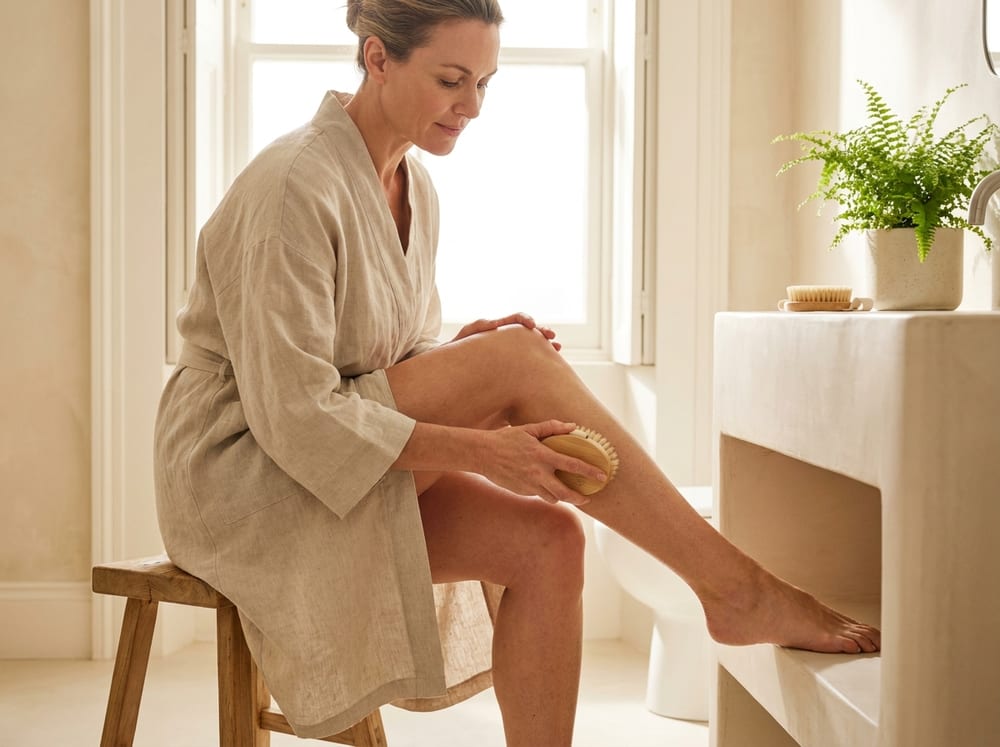
A natural-bristle brush swept over completely dry skin before showering sloughs off flaky surface cells and leaves the body feeling smoother and stimulated. That physical exfoliation and the pleasant, invigorating sensation are real; the popular claims that dry brushing 'detoxifies,' drains lymph, or reduces cellulite are not.

How to use & why
  1. Use on completely dry skin, before you get in the shower.
  2. Sweep in long, light strokes from the feet and hands inward toward the heart.
  3. Keep the pressure gentle; it should feel invigorating, never scratchy or painful.
  4. Avoid the face, and any broken, sunburned, or irritated skin.
  5. Shower afterward, then always follow with a body lotion.
  6. Rinse the brush occasionally and let it dry fully between uses.

For men: A 60-second pre-shower pass smooths rough shins and forearms. Skip the hype about detox, treat it as gentle exfoliation and always moisturize after.

Evidence
Dry brushing works as a simple physical exfoliant and can leave skin looking brighter and feeling smoother. The wellness claims attached to it, detox, lymphatic drainage, and cellulite reduction, are not supported by good evidence. Use light pressure: vigorous brushing scratches and irritates skin without any added benefit.
Targets
rough texture, flaky skin, body dullness
Cautions
Not for the face, or for sensitive, eczema-prone, sunburned, broken, or irritated skin. Keep pressure gentle, it should never hurt or leave red scratch marks. 'Detox,' lymphatic-drainage, and cellulite claims are marketing, not evidence. Educational only, not medical advice.
Exfoliating Loofah / Body Scrub Moderate evidence Body Exfoliation

Exfoliating Loofah / Body Scrub

PM 1-3x per week

A loofah or body scrub physically buffs away the loose, dead surface cells that make body skin look dull and feel rough, and helps keep follicles clear so ingrown hairs and 'chicken-skin' bumps (keratosis pilaris) are less likely to form. The catch is that the same friction, overdone, damages the barrier, so light pressure and modest frequency matter more than scrubbing hard.

How to use & why
  1. Wet the loofah and work in a little gentle body wash.
  2. Buff rough zones (upper arms, thighs, back, elbows) in light circles, one to three times a week.
  3. Use light pressure only; if skin reddens or stings, ease off.
  4. Avoid broken, sunburned, or freshly shaved skin.
  5. Rinse the loofah well, hang it to dry completely, and replace it every three to four weeks.
  6. Always follow with a body lotion to reseal the barrier.

For men: Great for smoothing rough upper arms and preventing ingrowns before or after shaving body hair, just keep it gentle and always moisturize afterward.

Evidence
Mechanical body exfoliation reliably smooths texture and can help with keratosis pilaris and ingrown hairs, but there is no benefit to aggressive daily scrubbing and real downside: over-exfoliation causes irritation, micro-tears, and a compromised barrier. One to three gentle sessions a week is plenty. For sensitive or KP-prone skin a chemical body exfoliant (urea, lactic, or salicylic acid) is often gentler and more even than a physical loofah.
Targets
rough texture, body dullness, keratosis pilaris, ingrown hairs, clogged follicles
Cautions
Skip on sunburned, broken, freshly shaved, or irritated skin, and never scrub hard. A damp loofah harbors bacteria and mold, so rinse it, hang it to dry fully, and replace it every three to four weeks (or choose a chemical body exfoliant instead). Educational only, not medical advice.
Daily Body Lotion Strong evidence Body & Foot Care

Daily Body Lotion

AMPM Daily, after every shower

A body lotion combines humectants that pull in water, emollients that fill the gaps between skin cells, and occlusives that slow water loss. Applied to skin still damp from the shower, it traps that surface water against the body and reinforces the barrier over the large areas the face routine ignores, arms, legs, back, and torso.

How to use & why
  1. Pat skin so it is damp, not fully dry, after showering.
  2. Apply a generous layer over the whole body within about three minutes to trap water.
  3. Use extra on the driest zones, shins, elbows, knees, and forearms.
  4. Reapply to hands after each wash and before bed in dry weather.
  5. Pick a fragrance-free lotion if your skin is reactive or itchy.

For men: The fastest full-body upgrade: one pump of an unscented lotion on damp skin after the shower, especially on shins and forearms that go ashy and rough in winter.

Evidence
Daily whole-body moisturizing is one of the best-established steps in all of skin care for reducing dryness, flaking, and itch and for supporting a resilient barrier. The effect is strongest when lotion goes on within a few minutes of towel-drying, while the skin is still damp, which is when it can lock in the most water.
Targets
body dryness, rough texture, itch, dry climate
Cautions
Choose a fragrance-free formula if your skin is sensitive or eczema-prone. Educational only, not medical advice.
Foot & Heel Cream (Urea) Strong evidence Body & Foot Care

Foot & Heel Cream (Urea)

PM Nightly (twice daily in very dry conditions)

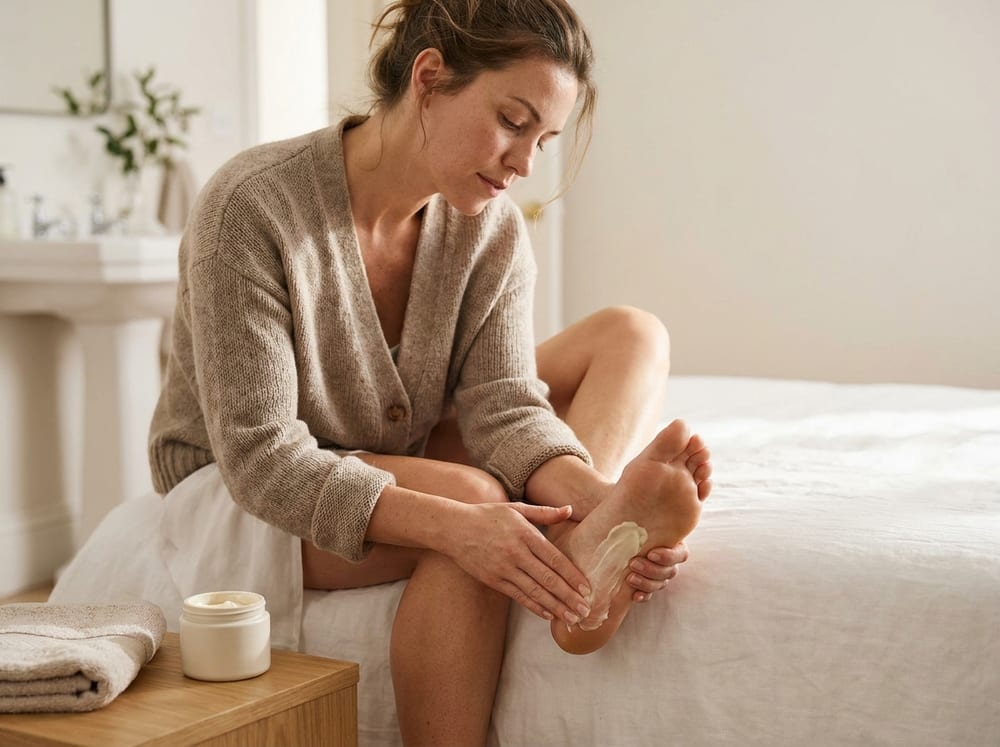
A dedicated foot cream uses a high concentration of urea (often 10 to 25 percent), a humectant that also gently dissolves the thick, hardened keratin of heels and calluses, alongside emollients and occlusives. That combination softens rough, fissured heel skin and drives deep hydration into the toughest skin on the body, which is exactly the skin that cracks first in dry climates and winter, and in people with diabetes.

How to use & why
  1. Wash and fully dry your feet, then apply a thick layer of cream to heels and soles.
  2. Deliberately skip the webbing between the toes, where trapped moisture can cause problems.
  3. For badly cracked heels, pull on clean cotton socks over the cream and leave it overnight.
  4. In dry climates or winter, reapply in the morning as well.
  5. If you have diabetes or reduced foot sensation, inspect your feet daily and see a clinician for any wound or crack that does not heal quickly.

For men: Rough, callused heels are gender-neutral. A urea foot cream at night, socks over the top, is the fastest fix, and useful if you are on your feet or in boots all day.

Evidence
Urea creams in the 10 to 25 percent range are well studied for very dry skin (xerosis) and cracked heels, outperforming plain emollients at softening and hydrating thick skin. For people with diabetes, daily foot moisturizing, deliberately avoiding the spaces between the toes, is part of standard foot-care guidance to prevent the cracks that can become entry points for infection. Diabetic foot care is medical, not cosmetic: inspect your feet daily and see a clinician promptly for any wound, numbness, color change, or infection.
Targets
cracked heels, very dry skin, calluses, diabetes-prone feet, dry climate
Cautions
Educational only, not medical advice. If you have diabetes, neuropathy, poor circulation, or any foot wound, sore, or numbness that will not heal, treat it as a medical matter: check your feet every day, do not apply cream between the toes, and see a clinician or podiatrist promptly. Patch-test higher-percentage urea on sensitive skin.
Self-Tanner (Sunless) Strong evidence Self-Tan

Self-Tanner (Sunless)

PM About twice a week to maintain color, reapplied as the tan naturally fades

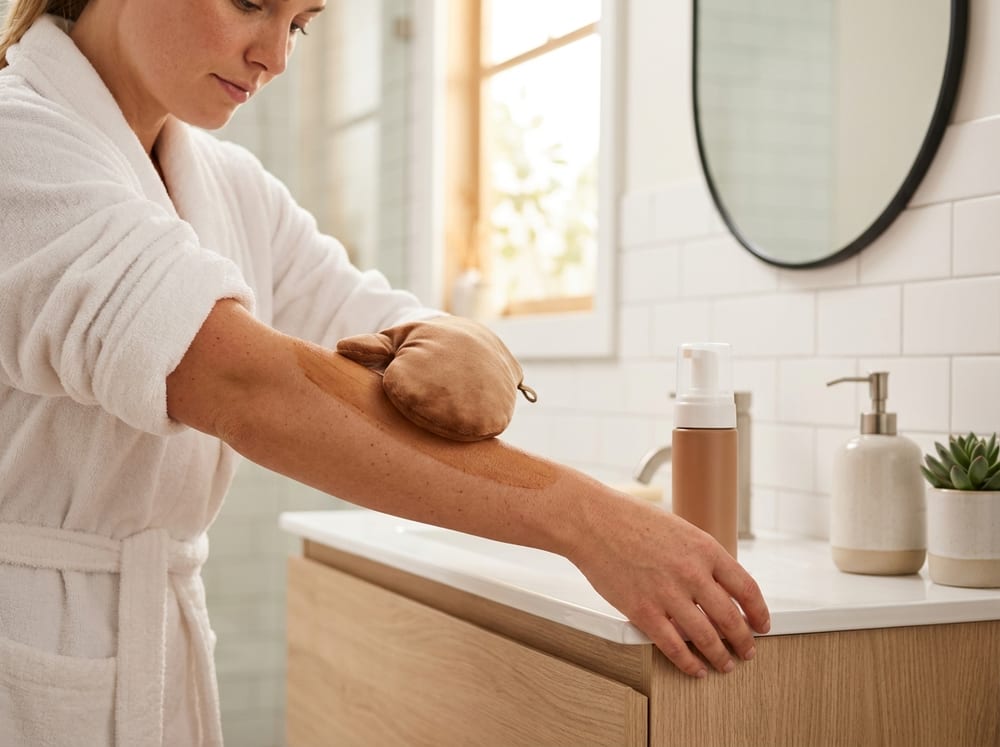
Sunless tanners rely on dihydroxyacetone (DHA), a simple sugar that reacts with amino acids in the outermost dead skin cells to form brown pigments called melanoidins. This is a surface color change in the stratum corneum, not melanin production and not a tan from UV, so it develops within hours and fades over several days as those cells slough off. Because the color comes from a chemical reaction on already-dead cells rather than from ultraviolet injury to living tissue, it delivers the look of a tan without the DNA damage, collagen breakdown, and pigment disruption that real sun or a tanning bed causes.

How to use & why
  1. Exfoliate first so the color develops evenly and does not cling to rough patches.
  2. Moisturize dry areas like knees, elbows, ankles, and knuckles to keep them from grabbing too much.
  3. Apply evenly in sections with a mitt, working from larger areas into smaller ones.
  4. Wash your hands right away so your palms do not stain.
  5. Let it develop undisturbed for several hours before dressing or sleeping on it.
  6. Wear sunscreen the next day, since the tan gives no real UV protection.

For men: Keep it simple and go light: men often have oilier, thicker skin that can develop color unevenly, so start with a gradual formula or a couple of drops in your moisturizer and build slowly. Exfoliate and shave the night before rather than right before applying, since fresh razor passes and open follicles can grab color and leave speckling along the jaw and neck.

Evidence
DHA has been used in cosmetics for decades and is well established as an effective, low-risk way to color the skin; the strong grade here is for the safety proposition, since sunless tanning is unambiguously far safer than UV tanning or tanning beds, which are classified as carcinogenic. The one firm caveat, also well documented, is that a DHA tan provides essentially no meaningful sun protection.
Targets
safe color without sun damage, photoaging, hyperpigmentation risk, uneven tone
Cautions
A DHA tan is color only and offers no meaningful SPF, so you still need broad-spectrum sunscreen every day; the bronzed look can create a false sense of protection it does not provide. Some formulas also raise short-term sun sensitivity right after application. Avoid inhaling spray mist and keep it away from the eyes and lips, and patch test first if your skin is sensitive. This is educational information, not medical advice; discuss with a clinician if you have concerns.
Post-Shave Balm Strong evidence Shaving

Post-Shave Balm

AM Every time you shave, applied immediately afterward. For most people that's a morning ritual, but the real rule is simply: after the razor, always.

Shaving is controlled exfoliation: the blade lifts dead cells and shaves off the top of the skin's barrier along with the hair, leaving it briefly more permeable and prone to water loss. An alcohol-free balm layers emollients and occlusives over that freshly disrupted surface to slow evaporation, restore comfort, and quiet the transient inflammatory flush. Skipping alcohol matters here specifically because a stinging astringent on just-abraded skin adds irritation rather than calming it.

How to use & why
  1. Finish your shave and rinse with cool, not hot, water to settle the skin.
  2. Pat gently with a clean towel, leaving the surface slightly damp.
  3. Warm a dime-sized amount of alcohol-free balm between your fingertips.
  4. Press it evenly over the whole shaved area, following the direction of hair growth.
  5. Let it absorb for a minute before sunscreen or getting dressed.

For men: If you shave your face daily, this is the single highest-value step you can add: a plain fragrance-free, alcohol-free balm does far more for razor burn than any tingling aftershave splash. Around a beard line, apply it right up to the edge to calm the freshly shaved border where irritation and ingrowns tend to start.

Evidence
Strong, though it leans on barrier science more than on balm-specific trials: it's well established that moisturizing disrupted skin reduces transepidermal water loss and speeds barrier recovery, and that ethanol is a known irritant on compromised skin, so an alcohol-free emollient applied post-shave is a sound, low-risk move; the exact degree of razor-burn reduction varies by person and technique.
Targets
razor burn, post-shave redness, irritation, tightness and dryness after shaving, sensitivity
Cautions
Choose fragrance-free and alcohol-free formulas, especially for sensitive or reactive skin, since fragrance and drying alcohols are the two most common triggers of post-shave stinging. Patch test a new balm before full use, and if a product burns on contact, that's a signal to switch rather than push through. This is general education, not medical advice; persistent razor bumps, ingrown hairs, or folliculitis warrant a clinician.
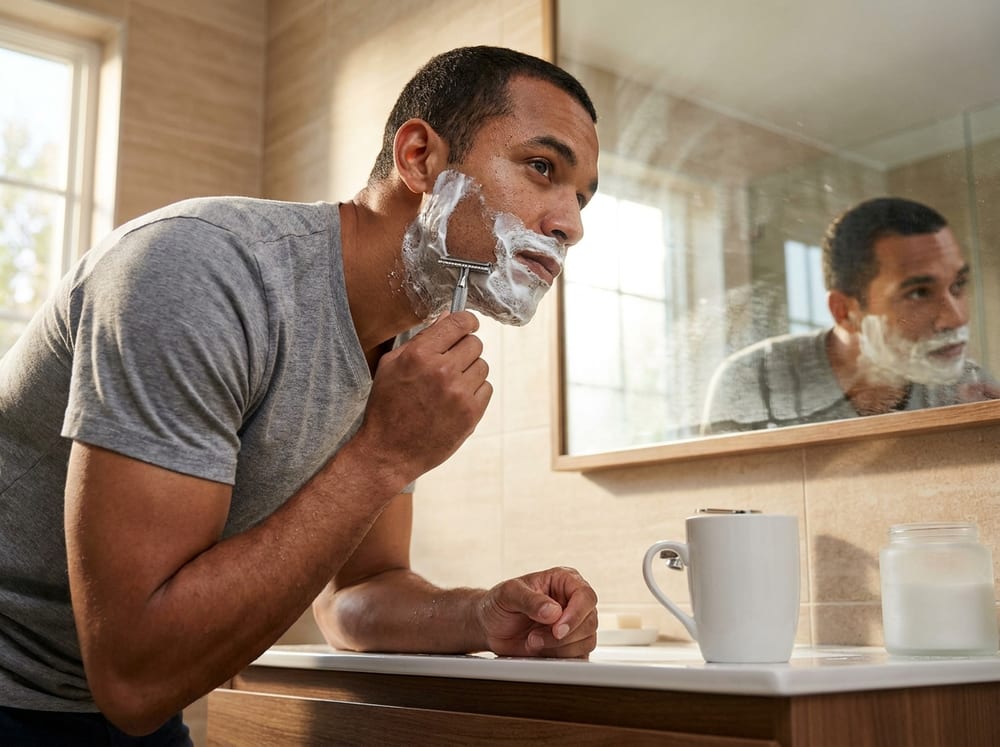
Razor (Safety or Cartridge) Strong evidence Shaving

Razor (Safety or Cartridge)

AM Mornings as needed, typically every one to three days

A shave works by drawing a fine edge across the skin to cut hair at or just above the surface, and the sharpness of that edge decides how much force the pass takes. A clean, sharp blade severs each hair cleanly in one light stroke, so the skin is barely disturbed; a dull or clogged blade tugs and requires repeated passes and pressure, which abrades the surface, inflames follicles, and cuts hairs at an angle that lets them curl back into the skin as ingrowns. Warmth and water soften the hair and swell the follicle beforehand, further lowering the force each stroke needs. A single-blade safety razor makes one cut per hair rather than the lift-and-cut sequence of a multi-blade cartridge, which is why it leaves the hair tip flush with the skin instead of below it and reduces ingrowns for many men.

How to use & why
  1. Shave after a warm shower, or press a warm damp towel to the face for a minute, so the beard is soft and the follicles are open.
  2. Apply a slick lather or shave cream and let it sit briefly before the first stroke.
  3. Shave in short strokes with the grain using light pressure, letting a sharp blade do the work rather than pressing down.
  4. Rinse the blade clear after every stroke and reserve any against-the-grain pass for stubborn spots only.
  5. Rinse with cool water, pat dry, and follow with a moisturizer or barrier step.
  6. Change the blade or cartridge often, well before it feels dull or starts to tug.

For men: If you get razor bumps along the neck and jaw, the single biggest fix is direction, not product: shave with the grain, skip the against-the-grain pass on those areas, and let a fresh single blade do the cutting. If you keep a beard, shave only the cheek and neck lines and treat the shaped edge the same way.

Evidence
The mechanics of blade sharpness, pressure, and pre-shave hydration reducing irritation and ingrown hairs are well established in dermatology guidance on shaving technique, and single-blade or reduced-pass shaving is a standard, consistently recommended measure for pseudofolliculitis barbae (razor bumps); the direction of benefit is strong and consistent, though much rests on clinical consensus and technique studies rather than large head-to-head razor trials.
Targets
ingrown hairs, razor burn, irritation, razor bumps, rough texture
Cautions
Dull or dirty blades are the main driver of irritation and ingrowns, so replace them well before they drag and never share a blade. Shave after a warm shower rather than on dry skin, use light pressure, and avoid re-passing the same patch repeatedly. If you are prone to razor bumps, favor a single-blade safety razor and shave with the grain. This is educational information for discussion with a clinician, not medical advice; see a professional for persistent bumps, infection, or ingrown hairs that do not clear.
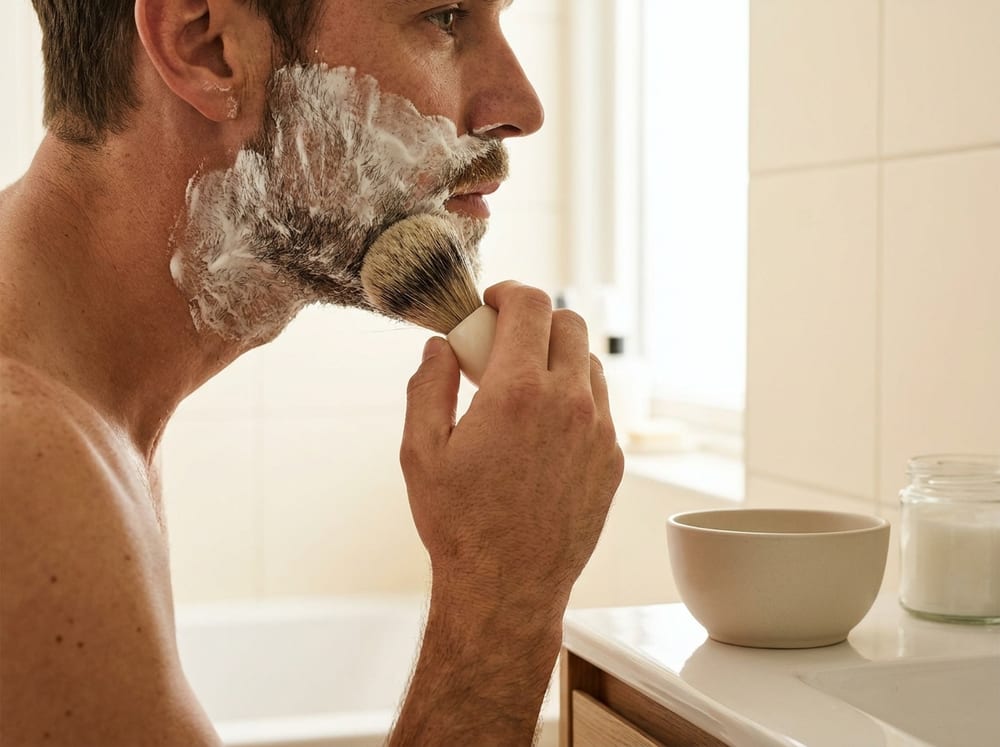
Shave Cream / Gel Strong evidence Shaving

Shave Cream / Gel

AM Every time you shave, typically in the morning

A rich shave cream or gel hydrates and swells the hair shaft so it cuts more easily, while its slip layer lets the blade glide instead of drag. That cushion reduces the friction and repeat passes that cause razor burn, and a cleaner, less traumatic cut lowers the odds of hairs curling back into the skin as ingrowns.

How to use & why
  1. Soften the beard first with warm water or a warm shower for a minute or two.
  2. Work a thin, even layer of shave cream or gel into a slick cushion over the whole area.
  3. Shave with the grain in short strokes using light pressure, letting the blade glide.
  4. Rinse the blade after every few strokes and reapply cream to any spot that dries out.
  5. Rinse with cool water, pat dry, and follow with a soothing moisturizer.

For men: For a full beard-area shave, go with the grain first and only do a second light pass across the grain on stubborn spots. Chasing a baby-smooth finish against the grain is the fastest route to razor burn and ingrowns along the neck and jaw.

Evidence
The basics here are well established: softening the beard with warm water and a lubricating layer, then shaving with the grain with light pressure, is standard dermatologic guidance for preventing razor burn and ingrown hairs. The honest limit is that formula matters less than technique, and no cream fully prevents ingrowns in very coarse or curly hair, where spacing out shaves or trimming instead often helps more.
Targets
razor burn, ingrown hairs, irritation, redness, sensitivity
Cautions
Shave on freshly softened skin and never over broken, sunburned, or actively irritated areas. Rinse the blade often, replace it before it dulls, and stop if you develop persistent bumps or ingrowns, which may call for adjusting your routine or seeing a clinician. This is educational information for discussion with a clinician, not medical advice.
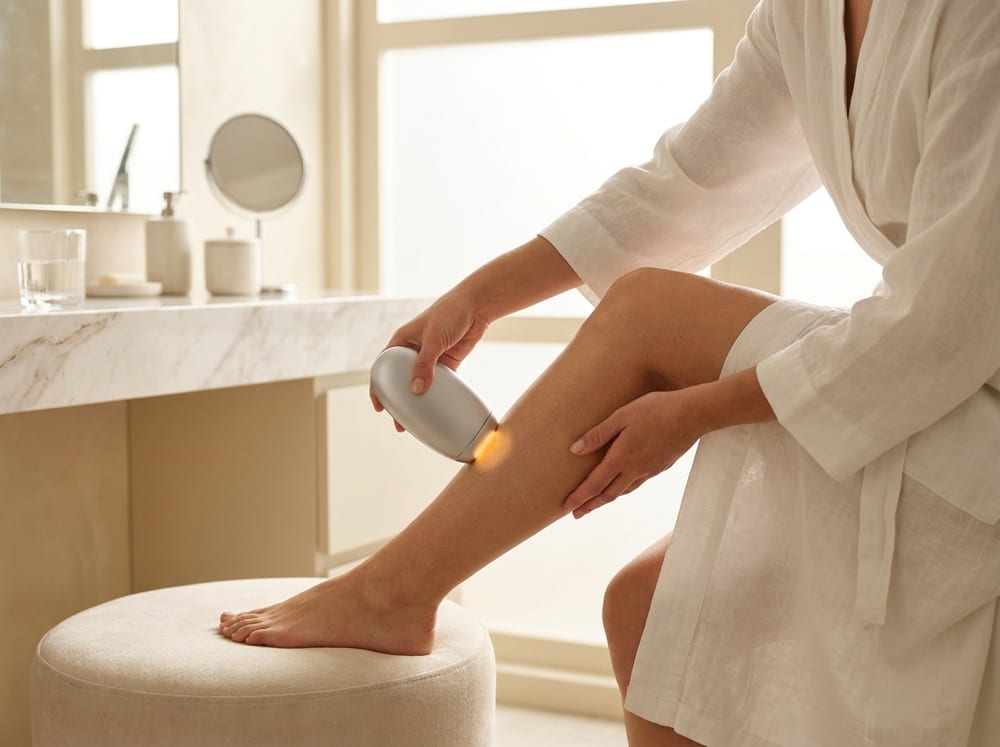
At-Home IPL Hair Removal Moderate evidence Hair Removal

At-Home IPL Hair Removal

PM Weekly to every other week during the start-up phase (commonly the first four to twelve weeks per the device's schedule), then tapering to occasional maintenance sessions, often around once a month, once regrowth has thinned. Done in the evening, since skin should be kept out of the sun before and after.

An at-home IPL device sends broad-spectrum pulses of light onto the skin, where the pigment (melanin) in the hair shaft absorbs that light and converts it to heat. The heat travels down the visible hair into the follicle and damages the structures that grow new hair, nudging that follicle toward a dormant, finer-growth state over repeated sessions. Because it works by targeting pigment, it needs a clear contrast between dark hair and lighter skin: the light has to be drawn to the hair rather than the surrounding skin, which is why it performs best on light-to-medium skin with dark hair and does little for blonde, red, grey, or white hair that lacks the pigment to absorb it.

How to use & why
  1. Shave the area clean and make sure skin is dry, bare, and free of lotion, deodorant, or makeup; do not wax or pluck, since IPL needs the hair root in place.
  2. Read your device's schedule and skin-tone chart, then do a patch test at your chosen setting and wait about 24 hours to check for any reaction.
  3. Put on the eye protection, set the intensity for your skin tone starting on the low side, and press the window flat against the skin.
  4. Work across the area in slightly overlapping placements, flashing each spot once and avoiding moles, tattoos, and darker marks.
  5. Repeat on your device's start-up cadence for the first weeks, then taper to occasional maintenance sessions as regrowth thins.
  6. Afterward soothe with a gentle fragrance-free moisturizer, skip sun exposure, and apply sunscreen to any treated skin that will see daylight.
Evidence
Moderate. Home IPL devices are supported by manufacturer studies and a growing set of independent trials showing real, measurable hair reduction over several weeks of consistent use, and the underlying light-and-pigment principle is the same one behind professional treatments. The honest limits are that home units are lower-powered than clinic lasers, results vary a lot by device, skin tone, and hair color, and the outcome is long-term reduction and slower, finer regrowth rather than permanent removal, so ongoing maintenance sessions are part of the deal. Evidence is weakest, or effectively absent, for very dark skin tones and for light-colored hair, where most home IPL simply does not work well and can carry a higher burn risk on darker skin.
Targets
unwanted body and facial hair, frequent shaving and stubble, razor burn and ingrown hairs from regular hair removal, cost and upkeep of waxing or salon treatments
Cautions
Always wear the supplied eye protection and never flash near the eyes or on the eyelids or brow bone. Never treat tanned, sunburned, or freshly self-tanned skin, and avoid recent or upcoming sun exposure, since a darker skin surface competes for the light and raises the risk of burns and discoloration. Do not pass the device over moles, freckles you want left alone, tattoos, permanent makeup, or dark birthmarks, and skip areas of broken, infected, or irritated skin. Always do a patch test at your chosen setting and wait a day before treating a full area, start at a lower intensity, and stop if you get more than mild, brief redness. Home IPL is not suitable for very dark skin tones (higher burn and pigment-change risk) and does little for blonde, red, grey, or white hair. Skip it if you are pregnant, on light-sensitizing medication, or have a skin condition in the area, and check with a clinician first if unsure. This is general education, not medical advice.

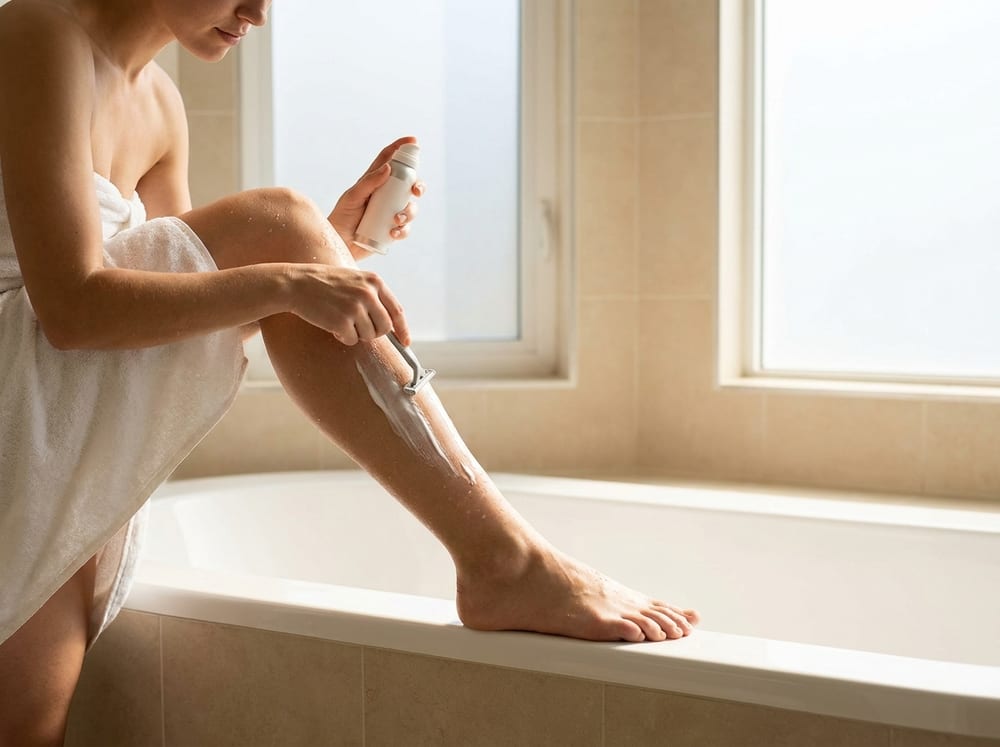
Body Razor & Hydrating Shave Gel Strong evidence Hair Removal

Body Razor & Hydrating Shave Gel

AM On shave days as part of your morning routine, typically every one to three days as hair regrows

A razor removes hair by drawing a fine edge across the skin to cut each shaft off at or just above the surface, and how gently that happens depends on the sharpness of the blade and the slip between blade and skin. Warm water first softens the hair and swells the follicle so it cuts with less force, and a cushioning shave gel lays down a slick layer that lets a sharp multi-blade head glide in one light pass instead of dragging and requiring repeat strokes. That cushion is what protects against razor burn and nicks, because most irritation comes from a dull or clogged blade tugging at the skin and from pressing hard or re-passing the same patch. Cutting hair cleanly, rather than at a ragged angle, also lowers the chance that a hair curls back into the skin as an ingrown. Gentle exfoliation beforehand clears the dead surface cells and loose hairs that can otherwise trap a tip below the surface.

How to use & why
  1. Gently exfoliate first and let warm water soften the skin and hair for a minute or two.
  2. Spread an even, cushioning layer of hydrating shave gel over the area, never plain soap or bare skin.
  3. Glide a fresh, sharp razor in short strokes with light pressure, following hair growth on the bikini line and underarms.
  4. Rinse the blade clear every few strokes and reapply gel to any spot that dries out.
  5. Rinse with cool water, pat dry, and follow with a fragrance-free moisturizer.
  6. Replace the blade before it dulls or drags, and go slowly and gently along the bikini line.
Evidence
The fundamentals here are well established in dermatologic guidance on shaving: soften the hair with warm water, use a lubricating layer rather than plain soap, shave with light pressure and a sharp blade, and exfoliate gently to reduce ingrowns. The direction of benefit is strong and consistent. The honest limit is that technique and a fresh blade matter far more than which gel you choose, and no razor fully prevents ingrowns in very coarse or curly hair, where spacing out shaves, trimming, or a longer-lasting method sometimes serves the skin better.
Targets
unwanted body hair, razor burn, ingrown hairs, nicks and cuts, irritation, bumpy skin, dryness
Cautions
Never dry-shave: skipping the warm water and gel is the fastest route to razor burn, nicks, and ingrowns. A dull or dirty blade is the main driver of irritation, so replace cartridges before they start to tug and never share a razor. Use light pressure, avoid re-passing the same patch, and go especially gently on the bikini line, where skin is thin and hair is often coarse. Skip broken, sunburned, or actively irritated skin. This is educational information for discussion with a clinician, not medical advice; see a professional for persistent bumps, infection, or ingrown hairs that do not clear.
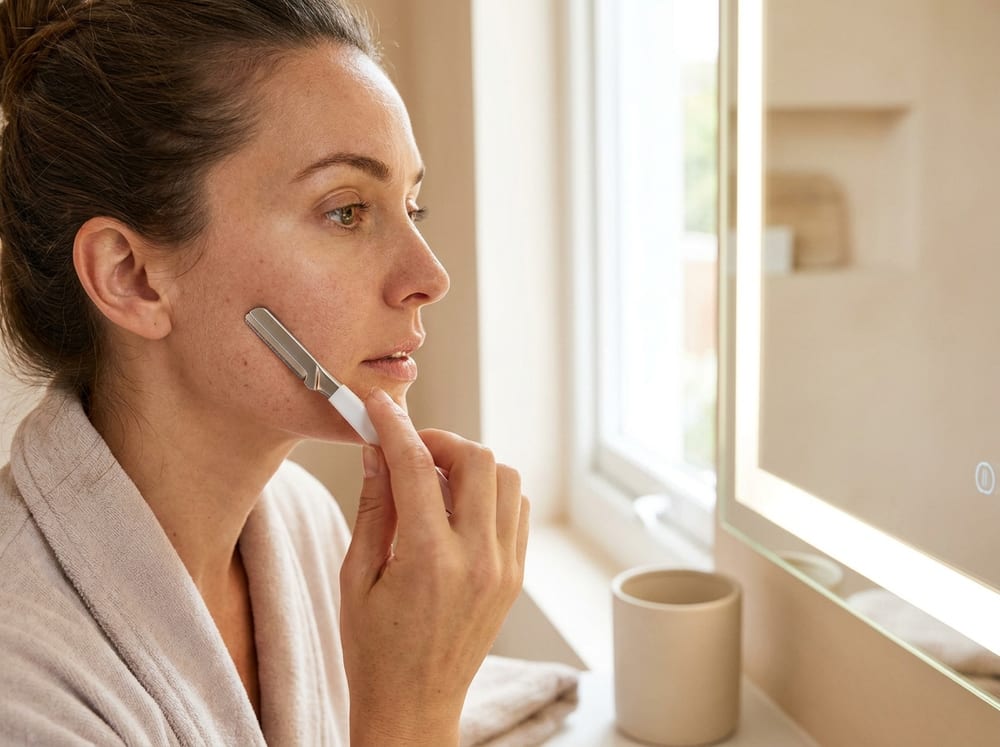
Facial Dermaplaning Tool Emerging evidence Hair Removal

Facial Dermaplaning Tool

PM At most once a week. The skin needs time to recover its surface layer between sessions, and going more often invites irritation, micro-nicks, and sensitivity for little added benefit.

A dermaplaning tool holds a single fine blade at a low angle and, with short strokes over taut skin, shaves away fine vellus 'peach fuzz' while lifting off the loose layer of dead surface cells (a form of physical exfoliation). The result is skin that feels smoother, looks a touch brighter, and lets foundation sit and glide more evenly. Because vellus hair is cut at the surface rather than damaged at the root, it regrows with the same fine, soft texture over the following days; it does not come back thicker, coarser, or darker, despite the persistent myth.

How to use & why
  1. Start with clean, completely dry skin; any moisture or product makes the blade drag.
  2. Hold the skin taut with your free hand and rest the blade at a shallow angle, about 45 degrees.
  3. Glide in short, light downward strokes in the direction the fuzz grows, never pressing hard or going over the same spot repeatedly.
  4. Steer around active breakouts, raised bumps, or any broken skin.
  5. Rinse away lifted debris, then apply a hydrating serum or moisturizer to soothe the fresh surface.
  6. In the morning, finish with broad-spectrum SPF, and use a fresh, sharp blade at your next weekly session.
Evidence
Evidence is emerging: small clinical and cosmetic-practice reports describe smoother texture and better product and makeup application after dermaplaning, and the physics of cutting hair at the surface make the 'grows back thicker' claim implausible, but rigorous long-term trials in home users are limited, so treat the smoothing benefit as short-lived and modest rather than transformative.
Targets
peach fuzz / vellus hair, makeup that catches or looks patchy, dull, flaky surface texture, uneven skin smoothness
Cautions
Always work on skin held taut with a light hand and a shallow blade angle to avoid nicks. Use a clean, sharp blade every single time; a dull or reused blade drags, tears, and can carry bacteria. Avoid dermaplaning over active acne, pustules, or cystic breakouts, as it can spread bacteria and worsen them, and skip it entirely if you have very sensitive, reactive, or rosacea-prone skin, which is easily inflamed by physical exfoliation. Because you are removing the surface layer, freshly dermaplaned skin is more vulnerable to sun and irritants, so always follow with hydration and diligent daytime SPF, and hold off on strong actives (retinoids, acids) the same evening. This is educational information, not medical advice.
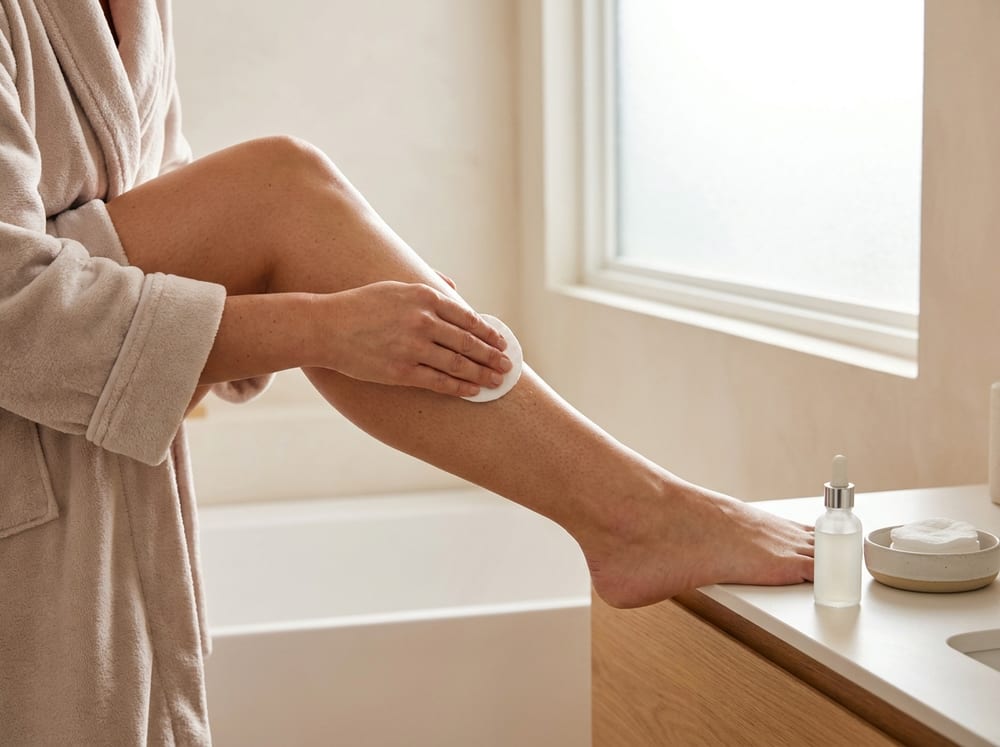
Ingrown Hair & Razor Bump Treatment Moderate evidence Hair Removal

Ingrown Hair & Razor Bump Treatment

PM A few evenings a week, on the nights you are not freshly shaved. Start with two or three times weekly and build up only as your skin tolerates it.

An ingrown hair is a hair that curls back or grows sideways into the skin instead of clearing the follicle, and the bump around it is the skin's inflammatory response to that trapped hair. A leave-on chemical exfoliant works on the layer of dead cells and debris that traps hairs in the first place. Salicylic acid, an oil-soluble beta-hydroxy acid, penetrates into the follicle and dissolves the keratin plug that caps it; glycolic acid, a water-soluble alpha-hydroxy acid, loosens the bonds between surface cells so they shed instead of piling up. By keeping the follicle mouth clear, the acid lets a trapped hair reach the surface and eases the raised, inflamed bumps of razor irritation, the clogged dark dots of strawberry legs, and the sandpaper texture of keratosis pilaris, which is itself a buildup of keratin around the follicle.

How to use & why
  1. Cleanse and fully dry the bump-prone area, and choose a night when you have not just shaved.
  2. Patch test a new product on a small spot first and wait a day to check for reaction.
  3. Apply a thin, even layer of the salicylic or glycolic exfoliant over the area, avoiding any broken or raw skin.
  4. Let it absorb before dressing, and resist the urge to pick, squeeze, or dig at any bump.
  5. Start two to three nights a week and increase only as your skin stays comfortable.
  6. Wear sunscreen on treated skin during the day, since acids raise sun sensitivity.
Evidence
Moderate: salicylic and glycolic acids are well established as keratolytics that clear follicular plugging, and chemical exfoliation is a standard, consistently recommended measure for pseudofolliculitis barbae (razor bumps) and keratosis pilaris in dermatology guidance. The direction of benefit is well supported, but it rests largely on clinical consensus and small studies rather than large trials, results build gradually over weeks rather than overnight, and the acid manages the buildup rather than curing keratosis pilaris, which tends to return if you stop.
Targets
ingrown hairs, razor bumps, strawberry legs, keratosis pilaris, rough or bumpy texture, post-shave irritation
Cautions
Chemical exfoliants increase sun sensitivity, so pair regular use with daytime sunscreen on any exposed skin, which matters for legs and arms in warm weather. Go slow on sensitive areas like the bikini line and underarms, and space acid nights away from shaving so you are never applying it to raw or broken skin. Patch test any new product on a small area first, and if it stings sharply, burns, or leaves skin red and tight, that is a signal to use it less often or switch, not to push through. This is general education, not medical advice; deeply embedded ingrowns, spreading redness, pus, or bumps that do not clear can signal infection or folliculitis and warrant a clinician.
Spotlight

Red-light therapy, honestly

At-home LED devices deliver red (~630–660 nm) and near-infrared (~830 nm) light that photobiomodulation research links to modest gains in collagen, tone, and calmer inflammation. The evidence is promising but still emerging, and results depend on consistency: a few sessions a week, protected eyes, over months. It complements a good routine — it does not replace sunscreen or retinoids.

Product links are Amazon affiliate links: if you buy through them, Awake Inside Wellness may earn a small commission at no extra cost to you. Prices are rough reference points, not live quotes. Picks are editorial, not paid placements.